
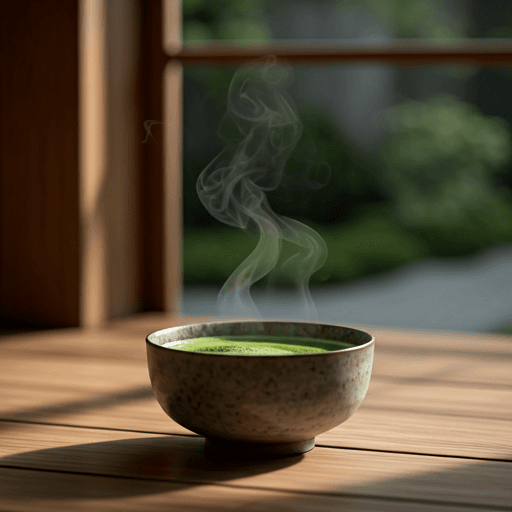
Twinings Earl Grey is the London tea house's flagship bergamot-scented black tea — a bright, citrusy, faintly floral cup that Twinings has sold for generations and did as much as any brand to turn into a household name. In short, it is ordinary black tea perfumed with oil of bergamot, offered as tea bags and loose leaf, with a handful of variations on the theme (including a lighter, trademarked cousin, Lady Grey). Here is how the blend works, what versions exist, and how to brew it well.
What Twinings Earl Grey is
At its core, Twinings Earl Grey is a black tea flavoured with the oil of bergamot — the small, fragrant citrus fruit that gives the cup its signature perfume of orange blossom and lemon peel. The base is a blend of black teas drawn from several gardens (Twinings has listed leaf from Kenyan, Chinese, Malawi and Assam origins over the years), which supplies the brisk, malty backbone underneath the citrus.
We won't relitigate the wider story here — what Earl Grey is as a style, and the tangle of legends about the earl it's named after, live in our companion explainer on what Earl Grey tea is. What matters for this page is the brand connection: Twinings has been closely associated with bergamot-scented black tea for a very long time, and its Earl Grey is one of the most widely recognised versions of the blend on the shelf. The broader Twinings catalogue — its history, its other blacks, greens and infusions — is covered in our Twinings tea brand guide.
One small note on spelling: you'll see it written both "Earl Grey" and "Earl Gray." They're the same tea. Twinings uses the British "Grey" spelling on its packaging, while the "Gray" form turns up mostly in North American search boxes and product listings.
The Twinings Earl Grey versions
Rather than a single product, Twinings Earl Grey is really a small family. Exactly which members you'll find varies by market and by year, so treat this as a map of the range rather than a fixed inventory.
- Classic Earl Grey. The everyday version most people picture — a balanced, citrus-forward black tea sold in ordinary tea bags, in string-and-tag or pyramid bags, and as loose leaf in the familiar caddy. This is the default cup.
- "The Earl Grey" / a stronger blend. A bolder take built for people who find the classic too delicate — a deeper black-tea base and a fuller bergamot hit, so the flavour holds up to a longer steep or a splash of milk.
- Decaffeinated Earl Grey. The same bergamot character with most of the caffeine removed, aimed at evening drinking. It's typically a tea-bag product rather than loose leaf.
- Lady Grey. Twinings' lighter, trademarked spin on the theme — the Earl Grey idea softened with extra citrus (orange and lemon peel) and blue cornflower petals, for a more delicate, floral cup. We go deep on it in our Lady Grey tea explainer; here it's enough to know it's the gentler sibling.
Formats overlap across those versions. Depending on where you shop, the same blend might appear as foil-wrapped tea bags, silky pyramid bags for a looser infusion, string-and-tag bags, or loose leaf by the caddy — and Earl Grey also shows up in cold-brew and iced ranges.
| Twinings version | What it is |
|---|---|
| Classic Earl Grey | The standard bergamot black tea; bags and loose leaf, balanced and citrusy. |
| "The Earl Grey" / Strong | A bolder, deeper blend with a fuller bergamot note; stands up to milk or a long steep. |
| Decaf Earl Grey | Same citrus character, most caffeine removed; usually in tea-bag form, for evenings. |
| Lady Grey | Lighter, trademarked cousin with added orange and lemon peel plus cornflower; delicate and floral. |
| Loose leaf vs bags | A format choice, not a different tea — loose leaf gives a rounder cup, bags win on convenience. |
How Twinings Earl Grey tastes and brews
Poured black, a good cup of Twinings Earl Grey leads with bright bergamot — think lemon-and-orange-blossom perfume — over a brisk, lightly tannic black-tea base. The citrus is the headline; the tea underneath keeps it from tipping into potpourri. The classic reads as fragrant and refreshing rather than heavy, which is part of why it works as an all-day tea.
Brewing is straightforward:
- Use fresh, near-boiling water — roughly 95–100°C (200–212°F). Black tea wants real heat.
- Steep one bag or about a teaspoon of loose leaf per cup for 3 to 5 minutes. Shorter for a lighter, more floral cup; longer for a stronger, more tannic one.
- Lift the bag or strain the leaves promptly. Over-steeping pushes the black-tea tannins forward and can bury the delicate bergamot in bitterness.
Milk, lemon, or neither?
This is a genuinely divided question. Many drinkers take Earl Grey black to keep the bergamot clean and bright; a slice of lemon plays up the citrus and is a classic pairing. Milk is where opinions split — a splash can round out a stronger blend pleasantly, but with the delicate classic it tends to mute the bergamot, and purists leave it out. There's no wrong answer: the stronger versions take milk more gracefully than the light ones, so let the blend guide you.
Caffeine in Twinings Earl Grey
Because it's built on black tea, Twinings Earl Grey carries a moderate amount of caffeine — broadly in the typical black-tea range of about 40 to 70 mg per 8-ounce (240 ml) cup, less than a similar-sized cup of brewed coffee. Treat that as a ballpark, not a lab figure: the exact amount shifts with how much leaf you use, how hot the water is, and how long you steep, since a longer brew pulls more caffeine into the cup. The bergamot flavouring itself adds essentially none. If you love the taste but not the buzz in the evening, the decaffeinated version is the obvious pick.
Where Twinings Earl Grey fits
Twinings Earl Grey is the reference-point Earl Grey for a lot of drinkers — consistent, widely stocked, and easy to find in whichever format suits you. It sits comfortably as a bright morning or afternoon cup, and its citrus lift makes it a natural iced tea in warm weather. If you're weighing it against other labels or trying to decide between classic, strong, and decaf, our roundup of the best Earl Grey tea bags and brands lays the field out side by side.
The short version: if you want a dependable, brightly bergamot cup with a name that's been on tea tins for centuries, Twinings Earl Grey is a sensible place to start — brew it hot and fairly briefly, decide for yourself on milk or lemon, and reach for Lady Grey or the decaf when you want something lighter or later in the day.