
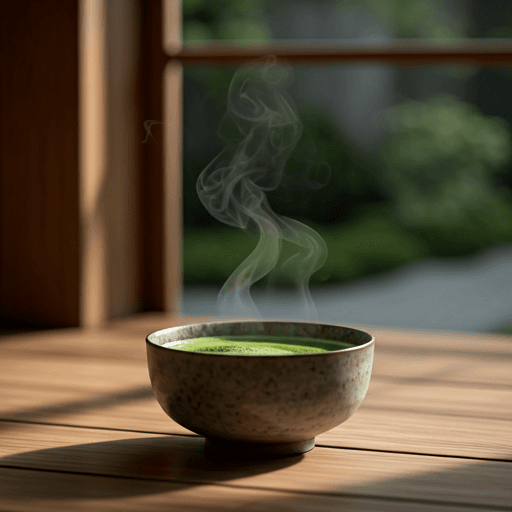
A tea ceremony is a ritualized, mindful way of preparing and sharing tea, and almost every tea-drinking culture has grown its own version. From the meditative Japanese chanoyu to the skillful Chinese gongfu cha and the sweet, sociable pours of Morocco, a tea ceremony turns an everyday drink into an act of hospitality, focus, and welcome. This guide is a global tour of the world's best-known tea ceremonies and traditions, with a signpost to a deeper read for each one.
What Is a Tea Ceremony?
At its heart, a tea drinking ceremony is less about the leaf than about attention. The same pot of tea can be gulped at a desk or poured slowly for a guest with a set of practiced gestures; the second is a ceremony. The word can sound formal, but these tea rituals run the full range — from the near-silent and highly choreographed to the warm and chatty around a kitchen table. What they share is intention: water heated to the right temperature, familiar movements repeated until they feel like second nature, and the understanding that serving tea is a way of honoring whoever is drinking it.
Tea traditions usually grow around whatever a region drinks most and the vessels it favors, so the details differ enormously — a whisked bowl of matcha and a churned cup of salted butter tea have almost nothing in common on the surface. Yet they rhyme: a host who takes charge, a guest who receives, and a short pause carved out of an ordinary day. Below are the traditions most people mean when they talk about tea ceremony culture, and each links out to its own full guide, so this page can stay a map rather than a manual.
Tea Ceremonies and Traditions Around the World
Use this table as a quick decoder, then read the short profiles that follow.
| Culture | Ceremony | Signature element |
|---|---|---|
| Japan | Chanoyu / chado | Whisked matcha and wabi-sabi restraint |
| China | Gongfu cha | Tiny pot, many short steeps |
| Britain | Afternoon tea | Tiered stand of tea, sandwiches and scones |
| Morocco / Maghreb | Atay (mint tea) | Poured from a height, served in three rounds |
| Russia | Samovar service | Strong zavarka diluted with hot water |
| Korea | Darye | Simple, seasonal, unhurried green tea |
| Tibet / Central Asia | Po cha (butter tea) | Churned with butter and salt |
Japan: Chanoyu and Chado
The Japanese tea ceremony — chanoyu, or the broader "way of tea," chado — is the most famous ritual of them all. A host whisks powdered green matcha into a bowl with a bamboo whisk, moving through a sequence refined over centuries and shaped by Zen ideas of wabi-sabi: beauty in simplicity, imperfection, and the passing moment. Its guiding principles are often summed up as harmony, respect, purity, and tranquility, and every gesture, from folding the cloth to turning the bowl before drinking, has a purpose. The guest's role is as considered as the host's, and it can take years of study to perform well.
Because there is so much depth here — the utensils, the seasons, the design of the tea room itself — this overview only scratches the surface. Read our full Japanese tea ceremony explainer for the etiquette and equipment.
China: Gongfu Cha
Gongfu cha translates loosely as "making tea with skill," and that is exactly the spirit. Instead of one big pot, the brewer uses a small clay pot or a lidded gaiwan and a high ratio of leaf to water, drawing many short infusions from the same leaves. Each steep tastes a little different, so the ceremony becomes a slow conversation between drinker and leaf — ideal for showing off an oolong or an aged pu-erh over an afternoon. Aroma cups, a tea tray to catch the pours, and a generous first rinse of the leaves are all part of the choreography.
For the pots, the pouring order, and the steeping times, see our dedicated gongfu cha guide.
Britain: Afternoon Tea
Not every tea ritual is meditative. British afternoon tea is a social occasion, traditionally credited to the 19th-century habit of bridging the long gap between lunch and a late dinner. The format is instantly recognizable: a pot of black tea poured through a strainer, and a tiered stand holding finger sandwiches, scones with clotted cream and jam, and small cakes. It is less about technique than about sitting down together and lingering, and it remains a fixture of grand hotels, birthdays, and celebrations.
We cover the history, the menu, and how it differs from "high tea" in our afternoon tea tradition guide.
Morocco and the Maghreb: Mint Tea
Across Morocco and the wider Maghreb, mint tea — atay — is the drink of welcome, and turning down a glass can seem impolite. Gunpowder green tea is brewed with a generous handful of fresh spearmint and plenty of sugar, then poured from a height into small glasses. That long pour is not just for show: it aerates the tea, cools it slightly, and builds a little foam on top. Custom holds that tea is served in three rounds, and a well-known saying frames each glass as tasting different as the leaves steep on.
The technique and the famous "three glasses" tradition are covered in our Moroccan mint tea guide.
Russia: The Samovar and Zavarka
Russian tea culture centers on the samovar, a metal urn that keeps a large volume of water hot for hours. A small teapot of very strong tea concentrate, called zavarka, sits on top; each drinker pours a little zavarka into a glass or cup and tops it up with hot water from the samovar to their preferred strength. The result is sociable and endlessly refillable, usually shared with jam, lemon, and something sweet, and it stretches tea into an all-afternoon affair rather than a single quick cup. Like afternoon tea, its real purpose is company: the samovar keeps the table going while conversation does the rest.
Korea: Darye
Korea's darye, often translated as "day tea rite," is quieter and less codified than its Japanese cousin. The emphasis falls on naturalness and seasonal harmony: unhurried preparation of loose green tea, simple movements, and appreciation of the setting rather than a strict rulebook. It reflects a gentle philosophy — that everyday tea, made with attention, is ceremony enough.
Tibet and Central Asia: Butter Tea
At high altitude, tea turns savory. Tibetan po cha is made by churning strong brewed tea with butter (traditionally from yak milk) and salt into a rich, soup-like drink that delivers warmth and calories in a cold, thin-aired climate. A guest's cup is kept quietly topped up as a sign of hospitality, and related salted, buttered tea traditions appear across the Himalayas and Central Asia, where they double as sustenance as much as refreshment.
The Common Thread: Hospitality and Slowing Down
For all their differences — matcha or mint, silence or chatter, thimble cups or bottomless glasses — these tea rituals share two ideas. The first is hospitality: in nearly every one, making tea well is how a host shows care, and accepting it is how a guest returns the gesture. The second is a deliberate pause. Whether it lasts three glasses or three hours, a tea drinking ceremony asks everyone to stop, pay attention, and be present for a little while. That, more than any single technique, is what these traditions are really keeping alive. Start with whichever one appeals most, and let curiosity carry you across the rest of the tea world.