
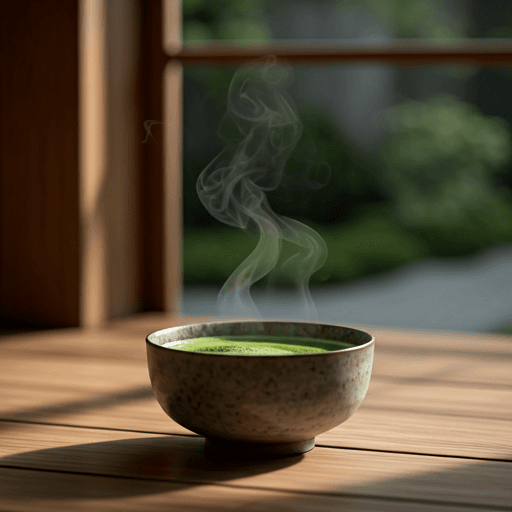
Throat Coat is a caffeine-free herbal tea — best known as a Traditional Medicinals blend — built around demulcent herbs such as slippery elm bark, marshmallow root and licorice root. These herbs release a soft, slightly slippery mucilage that coats and comforts a dry, scratchy throat. Think of it as a cup of comfort you reach for when your voice feels rough: soothing to sip, but not a medicine and not a cure for a cold or infection.
What Throat Coat tea is
Despite the name, Throat Coat tea is not made from the tea plant at all. It is a herbal infusion — a tisane — so it contains no black, green or oolong leaf and, importantly, no caffeine. That makes it easy to sip late in the evening, or several times through a rough-voiced day, without the buzz you would get from ordinary tea or coffee.
The blend is defined by its demulcent herbs. A demulcent is simply a plant that, steeped in hot water, releases a gel-like substance called mucilage. As the tea brews, that mucilage dissolves into the cup and gives the liquid a faintly thick, silky, almost slippery mouthfeel. When you swallow, it forms a temporary soothing film over the tissues at the back of the throat — which is exactly where a dry, tickly soreness is felt. That coating sensation is where the "throat coat" idea comes from.
The signature herbs are slippery elm bark, marshmallow root and licorice root. Slippery elm and marshmallow root are the mucilage heavyweights, so a cup leans on the same qualities you would get from a plain slippery elm tea. Licorice root adds its own soothing, coating character plus a naturally sweet, rounded flavour — which is why many people enjoy the tea with nothing added at all. Traditional blends round things out with wild cherry bark, fennel, cinnamon and orange peel for warmth and aroma. The result is a mild, sweet, faintly woody, root-forward cup rather than a bright or grassy one.
The hero herbs at a glance
| Herb | What it does in the cup |
|---|---|
| Slippery elm bark | Releases plenty of mucilage that coats and soothes; a main source of the tea's silky feel |
| Marshmallow root | Another mucilage-rich demulcent that adds to the soft, protective film across the throat |
| Licorice root | Soothing and naturally sweet, so no sugar is needed — but it also carries the main caution (see below) |
| Wild cherry bark | A traditional flavouring long paired with soothing throat blends |
| Fennel, cinnamon, orange peel | Aromatic supporting notes for warmth and a rounded, pleasant taste |
How people use Throat Coat
Because the point is to draw out as much mucilage as possible, Throat Coat is usually steeped longer than a quick cup of tea — often ten to fifteen minutes, and ideally covered so the water stays hot and the soothing compounds have time to release. The brewed cup is then sipped warm rather than scalding, in small, slow sips so the liquid actually passes over the sore area.
It is a cup people commonly reach for when the throat feels dry and scratchy: singers, actors, teachers, presenters and anyone who has been talking or on calls all day, as well as during the tail end of a cold when the voice is hoarse. This is longstanding common practice, not a promise of results — the appeal is the immediate, comforting coating feel, which fades after a while, so many people simply brew another cup.
If you like, a spoon of honey stirred in adds its own soft, coating sweetness and makes the drink feel even more soothing; lemon is a common addition too. For the wider picture of how a warm herbal cup eases a scratchy throat in the first place, see our explainer on herbal tea for a sore throat, and the marshmallow-heavy side of the story in marshmallow root tea.
What the evidence does — and does not — say
The honest, useful framing is this: Throat Coat can soothe and comfort the symptoms of a dry, irritated throat, but it does not treat or cure the underlying cause. The demulcent herbs form a physical coating that can make a scratchy throat feel calmer and more lubricated for a while — a genuinely pleasant, symptomatic relief. That is the whole of what a warm cup is doing.
What it is not is a remedy for the cold, flu or throat infection that may be behind the soreness. Most sore throats are caused by viruses that the body clears on its own; a herbal tea does nothing to shorten that, and it is no substitute for medical care when one is needed. So the Throat Coat tea benefits people notice most are comfort-based — a soothing feel, a caffeine-free drink to sip while resting, and a warm ritual — rather than anything curative. If you are choosing between options for a scratchy throat, our roundup of the best teas for colds and a sore throat puts Throat Coat alongside other well-known choices for a sore throat tea.
Important cautions before you brew
Throat Coat is a food-grade herbal tea that most healthy adults enjoy without trouble, but a few sensible notes matter — especially because of the licorice.
- Licorice root. Real licorice root (a prominent ingredient here) can raise blood pressure and affect potassium levels when taken in large amounts or regularly over a long stretch. It is generally best avoided in pregnancy, by anyone with high blood pressure, heart, kidney or hormone-sensitive conditions, and by people on certain medications. It is a soothing cup for occasional use, not something to drink in large volumes day after day. If any of that applies to you, check with a doctor or pharmacist first, or look for a licorice-free soothing blend.
- Slippery elm and medicine timing. Because slippery elm forms a coating, it can in theory slow or reduce how well other medicines are absorbed if taken at the same time. A common-sense habit is to take the tea an hour or two apart from any prescription medication.
- It is comfort, not treatment. A warm cup is for comfort while a mild, short-lived sore throat runs its course. See a doctor if a sore throat is severe, comes with a high fever, makes it hard to swallow or breathe, brings a rash, or simply is not improving after several days — those need proper assessment, not tea.
Where Throat Coat fits
Throat Coat sits in the same soothing family as other single-herb demulcent brews, but its charm is the ready-made blend: slippery elm, marshmallow and licorice together in one bag, sweet enough to drink plain and gentle enough for the evening. It is a comforting, caffeine-free ritual for a rough day — a cup to wrap your hands around and sip slowly while you rest your voice. Enjoy it for exactly that, keep the licorice note in mind, and let a doctor handle anything that a warm drink clearly cannot.