
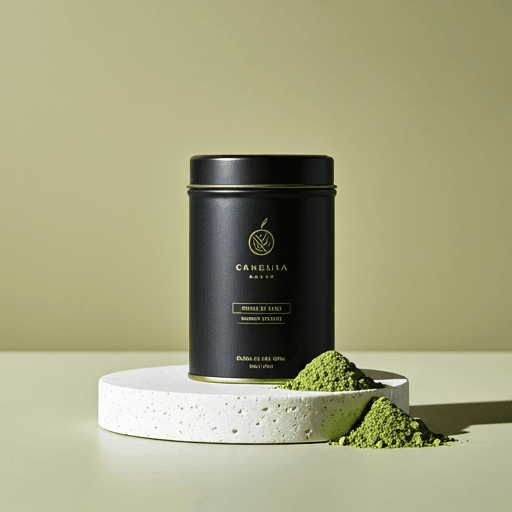
Tazo tea is a flavor-forward American tea brand — founded in Portland, Oregon, in 1994 and known for boldly named, spice-and-botanical blends, above all its Chai. For years Tazo was owned by Starbucks, but the brand was sold to Unilever in 2017. That is why Tazo and the Teavana tea served inside Starbucks cafes are now two separate things: one lives on grocery shelves, the other behind the counter.
If you have picked up a purple-and-gold box of Awake or a carton of chai latte base and wondered how it relates to the coffee chain, this guide walks through the brand story, the signature blends, the formats (including that famous concentrate), and who each style suits.
What Is Tazo Tea?
Tazo tea is a packaged tea line built around adventurous, aromatic blends rather than single-estate leaf. Where a traditional house might sell you a plain Assam or a straight Ceylon, Tazo leans into character: black tea layered with spice, green tea brightened with citrus and mint, and caffeine-free herbal infusions dialed up with hibiscus, orange peel, and licorice root. The naming is deliberately evocative — Awake, Zen, Passion, Calm — so the box tells you the mood before you taste the cup.
The brand is best understood as a mainstream specialty tea: more expressive and design-led than an everyday supermarket bag, but widely stocked and approachable rather than rarefied. For a wider map of where a brand like this sits among everyday, heritage, and wellness names, see our tea brands guide.
The Brand Story: Portland, Starbucks, and the 2017 Sale
Tazo was founded in 1994 in Portland, Oregon, by tea veteran Steven Smith and partners. From the start it stood out for its packaging and its almost mystical brand voice — the invented word "Tazo," the incense-and-spice imagery, the deliberately theatrical blend names. It was tea styled as an experience.
Starbucks acquired Tazo in 1999, and for nearly two decades the two were closely linked. Tazo tea appeared on Starbucks menus and shelves, and the chai in particular became a cafe staple. Over time, though, Starbucks developed Teavana as its dedicated in-store tea brand.
The split came in 2017, when Starbucks sold the Tazo brand — its recipes, trademarks, and inventory — to consumer-goods company Unilever, keeping Teavana as its single cafe-tea strategy. The practical upshot for you as a drinker is simple but important: Tazo is no longer the Starbucks cafe tea. The Tazo you buy in a grocery aisle is a Unilever-owned packaged brand, while the loose and bagged tea a barista brews in-store is Teavana. If you are trying to order or recreate what you had at the counter, that is a Teavana question — we cover it in Starbucks tea drinks explained.
Tazo's Signature Blends
Tazo's catalog shifts over time and by market, but a core cast of blends has defined the brand for years. These are the ones most people mean when they say "Tazo," listed here as factual examples across the black, green, and herbal families.
| Blend | Type | Flavor profile |
|---|---|---|
| Tazo Chai | Spiced black tea | Black tea with cinnamon, cardamom, ginger, black pepper, and star anise — warm, sweet-spicy, built for milk |
| Awake English Breakfast | Black tea | Bold, brisk, malty; a straightforward everyday black tea and the brand's caffeine anchor |
| Earl Grey | Flavored black tea | Black tea scented with bergamot; citrusy and floral, classic afternoon style |
| Zen | Green tea | Green tea with lemongrass and spearmint; fresh, cooling, gently grassy |
| Passion | Herbal (caffeine-free) | Hibiscus, orange peel, rose hips, and tropical notes; tart, ruby-red, fruit-forward |
| Wild Sweet Orange | Herbal (caffeine-free) | Lemongrass, orange peel, citrus herbs; bright, juicy, and naturally sweet-tasting |
A few notes on the headliners. Tazo chai is the blend that made the brand famous — a heavily spiced black tea designed to be brewed strong and cut with milk, which is exactly how a chai latte is built. If you want the drink itself rather than the brand, our what is chai tea explainer covers the spiced-tea tradition behind it.
Tazo Passion tea is the other cult favorite: a caffeine-free herbal infusion led by hibiscus and orange peel that steeps to a vivid red and tastes tart and fruity, hot or over ice. It is the base many people reach for when they want a bright, sugar-free-tasting cup without any tea caffeine.
Tazo Formats: Filterbags, Full-Leaf, and the Chai Concentrate
Tazo shows up in several formats, and which one you buy changes how you use it.
Filterbags and full-leaf
The most common format is the filterbag — the gauzy, sachet-style bag that gives blends room to unfurl. These are the boxes you find in most grocery aisles, and they steep like any bagged tea: hot water, a few minutes, done. Tazo has also offered full-leaf and loose presentations over the years for people who prefer to brew by the pot; these steep like any loose tea, with a scoop per cup and a few minutes' infusion before you strain.
The Tazo Chai Concentrate
The format Tazo is arguably most loved for is not a tea bag at all — it is the Tazo tea concentrate, specifically the Chai Concentrate that turned the cafe chai latte into a two-ingredient home drink. The concentrate is a pre-brewed, pre-sweetened, spiced tea base sold in a carton. To use it, you pour it and milk in roughly equal parts:
- Hot: combine the concentrate and steamed or warmed milk 1:1, then stir.
- Iced: pour equal parts concentrate and cold milk over ice.
That 1:1 ratio is the whole trick — no brewing, no measuring spices, just chai latte in about a minute. It is why the concentrate became a pantry staple for people who want the cafe drink at home. For the mechanics of concentrates in general — how they are made and why the ratio matters — see chai concentrate.
Bottled and iced
Tazo has also appeared as bottled ready-to-drink tea and in single-serve pod formats depending on the market and year. And because so many of the blends are built on citrus, hibiscus, and mint, they take beautifully to ice: Tazo iced tea — Passion or Zen brewed strong and poured over ice, sometimes lightly sweetened — is one of the easiest ways to enjoy the range in warm weather. Availability of any given format varies by region, so treat the specific products as examples rather than a guaranteed shelf.
How Tazo Tastes and Who It Suits
Across the line, Tazo's house style is aromatic, blended, and easy to like. The teas tend to lead with a hook — spice, citrus, hibiscus, mint — rather than the subtle terroir notes a single-origin drinker chases. That makes the brand a natural fit for:
- Chai lovers who want the spiced-milk drink without brewing from scratch — the concentrate does the work.
- New tea drinkers who find plain black or green tea a bit austere and enjoy a flavored, forgiving cup.
- Caffeine-free sippers drawn to Passion and Wild Sweet Orange for an evening or afternoon cup with no tea caffeine.
- Iced-tea fans who want a bright, fruit-driven glass in summer.
It is less aimed at the purist hunting a delicate first-flush Darjeeling or a nuanced high-mountain oolong; for that, a heritage or specialty house serves better. As a rough guide to caffeine: the black blends (Awake, Chai, Earl Grey) carry the most, the green (Zen) sits in the middle, and the herbal blends (Passion, Wild Sweet Orange) are caffeine-free. Steep times and temperatures follow ordinary tea rules — a couple of minutes and cooler water for green, a fuller steep with near-boiling water for black and herbal.
Tazo's real legacy is that it helped make expressive, well-designed blended tea feel normal on a supermarket shelf — and it gave a lot of people their first easy chai latte. Knowing that the brand now stands on its own, separate from the Starbucks cafe tea, is the one fact that clears up most of the confusion. Everything else is just picking the blend that matches your mood.