
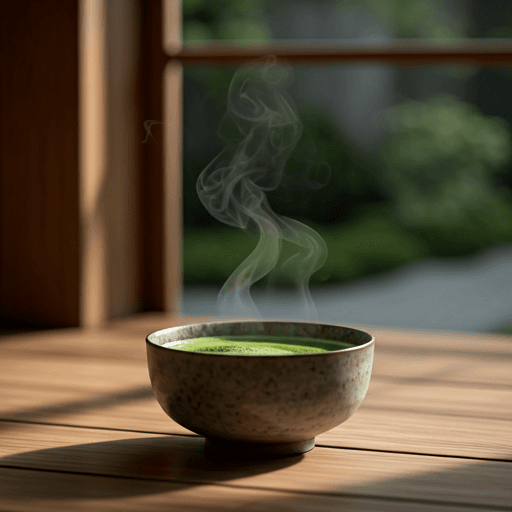
Ume plum tea is a traditional Japanese and Korean drink made from ume — the tart "Japanese plum" that is really a kind of apricot. It comes in two main styles: a savory-sour hot umeboshi tea made by steeping a single pickled ume plum in hot water (sometimes with bancha or kombu), and a sweet drink made from ume syrup, known in Korea as maesil-cha. Both begin with the same small, sour fruit, yet they land in completely different cups.
If you have only ever met ume as the wrinkled red pickle tucked into a rice ball, the idea of drinking it may sound surprising. But steeping ume — pickled or cured in sugar — is a long-standing home ritual in both countries, valued as a bright, palate-clearing cup rather than a caffeinated pick-me-up. Here is what ume actually is, how each style is made, and what to expect in the glass.
What is ume? The tart plum that's really an apricot
Ume (Prunus mume) is a small, round, intensely sour stone fruit. Despite the common English name "Japanese plum" — which is why ume drinks are sometimes sold as "Japanese plum tea" — botanists classify it as an apricot. It grows across East Asia and is called ume in Japan and maesil in Korea. The fruit is picked green and hard in early summer and is almost never eaten raw; straight off the tree it is far too sour and astringent to enjoy.
Instead, ume is preserved in two classic ways, and those two methods are exactly what give you the two styles of tea:
- Umeboshi — ume salted and sun-dried into a soft, salty-sour pickle, often colored deep red with shiso leaf. This is the savory route.
- Ume syrup (cheong) — ume layered with sugar and left to cure for weeks until the fruit releases a fragrant, honey-like liquid. In Korea this cured syrup is called maesil-cheong, and the diluted drink is maesil-cha (also maesilaek). This is the sweet route.
Because the two preserves are so different — one salty, one sweet — "ume tea" is really a family of drinks rather than a single recipe. It sits within the wider world of herbal and fruit infusions, alongside other single-fruit steeps such as apple tea.
The savory umeboshi tea
The oldest style is umeboshi tea (sometimes called umeboshi-cha): a single pickled plum steeped in hot water or hot tea. It is traditionally sipped as a warming morning cup or after a heavy meal, and it is a common comfort drink — the sort of thing people reach for when they feel a little worn out or over-fed. This is a food-based custom, not a medical remedy.
How to make umeboshi tea
- Drop one umeboshi plum into a cup or small teapot. You can lightly break it open with a spoon to release more flavor.
- Pour over about 150–200 ml (roughly 5–7 oz) of just-boiled water.
- For a rounder, toastier cup, use hot bancha or hojicha green tea instead of plain water, or add a small strip of kombu kelp for a savory, broth-like note.
- Steep 2–3 minutes, pressing the plum once or twice. Sip the liquid; many people also eat the softened plum at the end.
The green teas used as a base — bancha, hojicha, sencha and their cousins — are a deep subject of their own; the Japanese tea family guide covers how each is grown, steamed and roasted.
The sweet ume syrup drink (maesil cha)
The second style flips the flavor from salty to sweet. Here you start with ume syrup — that sugar-cured cheong — and simply dilute it. In Korea this maesil cha is one of the best-loved homemade summer coolers, though it is enjoyed hot in cold weather too.
How to make maesil cha from ume syrup
- Spoon 1–2 tablespoons of ume syrup into a glass or mug.
- Top with cold water and ice for a refreshing summer drink, or with hot water for a cozy winter version.
- Stir well, taste, and adjust — the syrup is concentrated, so add water a little at a time.
- Optional: a splash of sparkling water turns it into a bright ume soda, and a squeeze of lemon sharpens it further.
Making the syrup itself is a seasonal project: fresh green ume are layered one-to-one with sugar in a large jar and left for several weeks until the sugar draws out a golden, aromatic liquid. The technique belongs to a wider tradition of fruit-and-honey preserves; the Korean tea guide sets maesil-cha in context alongside other cha-style infusions such as citron and jujube.
Umeboshi tea vs ume syrup drink at a glance
| Style | How it's made | Taste |
|---|---|---|
| Umeboshi tea (Japanese) | Steep a whole salted-and-dried ume pickle in hot water, bancha or hojicha; optional kombu | Savory, salty and sharply sour; broth-like and warming |
| Ume syrup drink / maesil cha (Korean) | Dilute sugar-cured ume syrup (cheong) with hot or cold water; optional sparkling water | Sweet-tart and fruity, like a mellow apricot cordial |
| Ume with a green-tea base | Umeboshi steeped directly in hot bancha or hojicha rather than plain water | Sour plum over a toasty, savory tea backbone |
What ume plum tea tastes like
The through-line across every style is sourness — ume is one of the most puckering fruits in the East Asian pantry, thanks to its high citric and malic acid content. Beyond that shared tartness, the two routes diverge sharply:
- Umeboshi tea is salty and savory as well as sour, closer to a light, tangy broth than to a sweet fruit tea. That saltiness is exactly why it reads as restorative after a big meal.
- Maesil cha is sweet and fruity, with a bright apricot-and-honey character and just enough tartness to keep it from turning cloying. Poured over ice it is genuinely thirst-quenching.
Both are caffeine-free on their own — caffeine only enters if you steep the umeboshi in a green-tea base. That makes ume plum tea an easy any-time cup, whether you want something bracing in the morning or cooling in the afternoon.
Simple ways to serve and vary it
- Ume soda: Mix ume syrup with chilled sparkling water for a fizzy, apricot-scented refresher — a summer favorite that needs no special skill.
- Hot ume nightcap: Dilute the syrup with hot water for a warming, caffeine-free evening drink.
- Umeboshi in green tea: Drop a pickled plum into a pot of hot bancha for a savory-sour brew that doubles as a light, salty sip alongside a meal.
- Ume kombu cup: A Japanese-style savory cup — ume kombu-cha — made by steeping umeboshi with kombu kelp for a deeply umami-rich drink (this is kelp tea, not fermented kombucha).
- Frozen ume treat: Freeze diluted maesil cha into pops or a slushie for a sweet-tart summer dessert.
A note on salt and other cautions
Ume plum tea is a food-and-drink tradition, not a treatment, and it is best enjoyed for comfort and flavor rather than for any specific health claim. A few practical things are worth knowing:
- Umeboshi is high in salt. The pickle is preserved in a lot of salt, so a savory umeboshi cup carries real sodium. If you are watching your salt intake, go easy — one plum, and consider not draining every last drop of a very salty brew.
- The sweet version carries sugar. Maesil-cha syrup is cured with roughly its own weight in sugar, so dilute to taste and treat it like any other sweet cordial.
- Sourness and teeth. As with any tart, acidic drink, rinsing your mouth with plain water afterward is a sensible habit.
None of this is medical advice; if you have specific dietary needs, follow your own clinician's guidance.
The bottom line
Ume plum tea is really two drinks wearing one name: a salty, sour, warming umeboshi steep from the Japanese table, and a sweet, fruity maesil cha cooler from the Korean one. Both are simple to make once you have the right preserve on hand — a jar of umeboshi or a bottle of ume syrup — and both show off just how much character one small sour "plum" can pack. Whichever cup you reach for, it makes a bright, refreshing change of pace from the usual mug of coffee or black tea.