
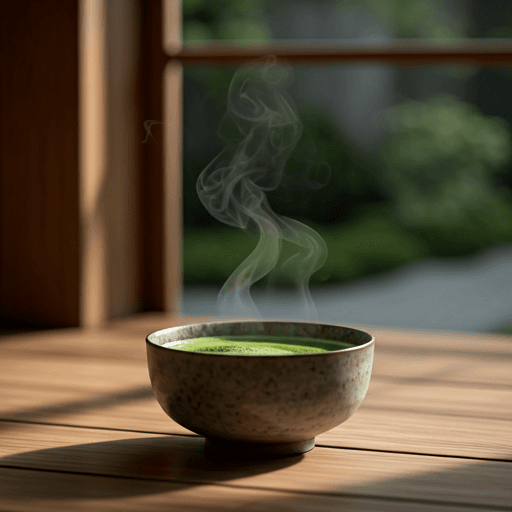
Thyme tea is a caffeine-free herbal infusion made by steeping fresh or dried thyme in hot water. It brews into a savory, minty-herbaceous cup that people have reached for as a home comfort for coughs and scratchy throats for generations, thanks to aromatic compounds like thymol. Here is a plain-English guide to what it is, how to make it, how it tastes, what it may do, and when to be careful.
What Is Thyme Tea?
Thyme tea is simply an infusion of the leaves of common thyme (Thymus vulgaris), the same fragrant kitchen herb that flavors soups, roasts and stews. Thyme belongs to the mint family (Lamiaceae), which makes it a close cousin of rosemary, sage and oregano, and that family resemblance explains the warm, faintly minty edge you taste in the cup. Because it is brewed from a herb rather than the tea plant (Camellia sinensis), thyme tea is naturally caffeine-free, so it sits comfortably in the wider world of herbal teas and tisanes that people drink for flavor and comfort at any hour of the day.
The drink has deep roots in Mediterranean and European folk tradition, where thyme was prized as much for its scent as its taste. Today it is enjoyed everywhere as an easy garden-to-cup infusion: you can brew it from a few sprigs growing on a windowsill or from the dried thyme already sitting in your spice rack. That accessibility is a big part of why it has stayed in the teapot for so long.
How to Make Thyme Tea
Making thyme tea takes about ten minutes and needs nothing more than thyme, hot water and a way to strain the leaves. This simple thyme tea recipe works with either fresh sprigs or dried leaves, so use whatever you have.
You will need:
- 3-4 fresh thyme sprigs, or about 1 teaspoon of dried thyme, per cup (roughly 240 ml / 8 oz)
- Freshly boiled water, rested for a moment to around 95-100°C
- A cup, teapot or infuser basket, plus a strainer
- Optional: honey, a slice of lemon, or a little fresh ginger to taste
Steps to make thyme tea:
- Rinse the fresh sprigs, or measure your dried thyme into a cup, teapot or infuser basket.
- Pour over the hot water so the thyme is fully submerged.
- Cover the cup or pot and steep for 5-10 minutes. Covering it keeps the aromatic oils in the water instead of letting them drift off in the steam, and a longer steep gives a stronger, more herbaceous brew.
- Strain out the leaves, or lift out the sprigs.
- Taste, then sweeten with honey or brighten with lemon if you like.
There is no single "correct" strength. Start light, and add more thyme or steep a little longer next time if you want more punch.
Fresh vs Dried Thyme
Both make a good cup, with slightly different characters. Fresh thyme gives a greener, brighter, more delicate infusion and looks lovely floating in a glass pot. Dried thyme is more concentrated, so you need less of it, and it tends to taste deeper and earthier. Whichever you use, older, faded dried thyme will have lost much of its aroma, so give it a sniff first; if it barely smells of anything, it will make a thin cup.
What Thyme Tea Tastes Like (and When People Drink It)
Thyme tea tastes savory and earthy rather than sweet: herby and faintly minty, with a gentle peppery, almost floral warmth. It is closer to a light herbal broth than to a fruity tisane, which is exactly its appeal for people who like their infusions on the herbaceous, grown-up side. Honey softens the edges nicely, while a squeeze of lemon lifts it into something brighter and more refreshing.
As for when people reach for it, thyme tea is a classic cold-weather and under-the-weather cup, traditionally sipped when a cough or scratchy throat is going around. It is also drunk after a heavy meal as a soothing, caffeine-free digestive, and in the evening precisely because it will not keep you awake. None of these are medical prescriptions; they are simply the everyday habits that have kept thyme in the kitchen and the teapot for centuries.
Thyme Tea Benefits: What It May and May Not Do
The most talked-about thyme tea benefits really come down to comfort. A warm, aromatic drink is naturally soothing to sip when your throat feels rough, and thyme carries fragrant plant compounds, chiefly thymol and carvacrol, along with antioxidants such as rosmarinic acid and luteolin, that give it its distinctive smell and its long-standing reputation as a folk remedy for coughs and colds.
It is worth being clear-eyed here: drinking thyme tea is a comfort, not a cure. Warm fluids and a spoonful of honey can genuinely make a scratchy throat feel better in the moment, but a cup of tea does not treat an infection, and thyme tea should not replace anything your doctor recommends. If you are choosing a soothing drink while a cold runs its course, thyme sits alongside plenty of other options; our roundup of the best teas for colds and sore throats covers the wider field. Enjoy thyme tea for what it reliably delivers: warmth, aroma and a pleasant ritual.
Cautions: Who Should Go Easy on Thyme Tea
For most healthy adults, drinking thyme tea in ordinary culinary or tea amounts is perfectly fine. A handful of sensible cautions are still worth knowing:
- Keep it to tea, not medicine. Casual cups are one thing; concentrated extracts, large "medicinal" doses and thyme essential oil are another. Thyme oil is highly potent and is not meant to be swallowed like tea, so stick to the brewed herb.
- Go easy in pregnancy. Thyme as a cooking herb and the occasional cup are generally considered fine, but concentrated or medicinal amounts are best avoided during pregnancy and breastfeeding. If in doubt, ask your doctor or midwife.
- Mind herb allergies. If you react to thyme, oregano, sage or other mint-family (Lamiaceae) herbs, approach thyme tea cautiously.
- Check with a professional if you take medication. If you are on blood-thinning or other regular medication, it is sensible to check before drinking large amounts of any herbal tea.
- It is not a substitute for treatment. See a doctor for a cough or sore throat that is severe, comes with a high fever or trouble breathing, or that lingers beyond a week or two.
Thyme Tea at a Glance
| Aspect | Detail |
|---|---|
| Plant | Common thyme (Thymus vulgaris), a culinary herb |
| Family | Mint family (Lamiaceae) — related to rosemary, sage and oregano |
| Caffeine | None; naturally caffeine-free |
| Taste | Savory, earthy, herby, faintly minty and peppery |
| How much | 3-4 fresh sprigs or about 1 tsp dried per cup |
| Water and steep | Just-off-boil water (~95-100°C), covered, 5-10 minutes |
| Traditional cup for | Coughs, colds and scratchy throats; a post-meal or evening drink |
| Good with | Honey, lemon, a little fresh ginger |
| Go easy if | Pregnant or breastfeeding (concentrated amounts), mint-family allergy; avoid thyme essential oil |
How Thyme Tea Compares to Other Herb Teas
Thyme is one of several kitchen herbs that double as a soothing infusion, and if you enjoy its savory character you will probably like its close relatives. Rosemary tea is piney and resinous with a similar herbaceous backbone, while sage tea is earthier and a touch bitter, and is another traditional throat-soothing cup. All three come from the same mint family and reward a covered steep so their aromatic oils stay in the water. Brewing them side by side is a good way to discover which culinary-herb tea best suits your palate.
Thyme tea is one of the simplest herbal drinks you can make: a handful of sprigs, hot water and a few minutes of steeping give you a fragrant, caffeine-free cup with a long history of comfort behind it. Treat it as the warming, aromatic ritual it is, brew it to taste, sweeten it if you like, and reach for a doctor rather than a teapot when symptoms are more than a passing scratch.