
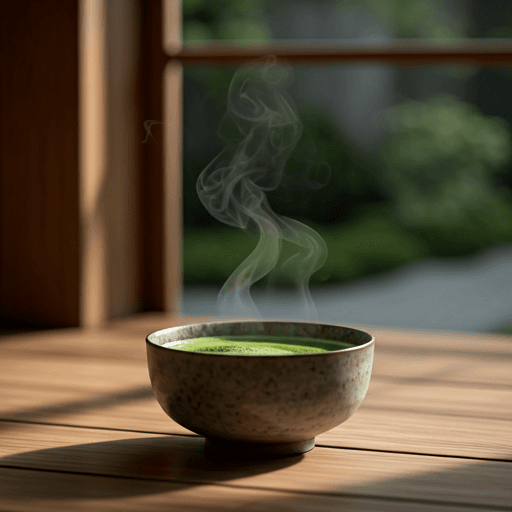
Rosemary tea is a fragrant, caffeine-free herbal infusion made by steeping fresh or dried rosemary leaves (Salvia rosmarinus) in just-off-boil water. It is a traditional folk remedy popularly linked to memory, focus, digestion and antioxidants. As an everyday drink in ordinary culinary amounts it is pleasant and low-risk for most people, but the specific health claims rest on limited, mostly early research rather than firm proof.
If you already love rosemary on roast potatoes or focaccia, the tea tastes exactly as you might expect: piney, savoury and a little resinous, with a woody herbal warmth rather than any sweetness. Below is an honest tour of what the drink is, what the studied and traditional benefit of drinking rosemary tea may amount to, how to brew a cup, and the safety points worth knowing.
What rosemary tea is
Rosemary is a woody Mediterranean culinary herb from the same wider mint family as sage, thyme and oregano. Turning it into tea simply means infusing the needle-like leaves in hot water instead of cooking with them. Because rosemary is a herb rather than a leaf of the tea plant (Camellia sinensis), rosemary tea is naturally caffeine-free and technically a herbal "tisane" — the same category as chamomile, peppermint or nettle. For a fuller picture of that whole family, see our guide to what herbal tea is.
The flavour is unmistakably savoury: pine, camphor and a faint cooling, eucalyptus-like edge, with none of the astringency of black or green tea. That makes it a natural after-dinner sipper and an easy companion to lemon and honey. You can think of it as a cousin of sage tea, another kitchen-herb infusion that shares the same peppery, aromatic character.
Rosemary tea benefits: what the evidence shows
Here is the balanced version. Most rosemary tea benefits you will read about come from traditional use and from early laboratory work or small human studies — often using concentrated rosemary extracts or the aroma rather than a mug of ordinary tea. Treat the points below as "traditionally used for" and "may help," not as proven effects.
Antioxidants and rosmarinic acid
Rosemary is rich in plant compounds such as rosmarinic acid, carnosic acid and caffeic acid, which act as antioxidants in laboratory tests. A cup of rosemary tea delivers a modest amount of these compounds, which is part of why the herb is studied at all. Antioxidants are best thought of as a normal part of a varied diet rather than a magic bullet — you can read more about that wider picture in our overview of nettle leaf tea benefits, another folk wellness herbal with a similar "rich in plant compounds" story.
A folk link to alertness, memory and mood
Rosemary has a centuries-old reputation as the herb of remembrance, and it is this memory angle that draws the most curiosity. Some small studies suggest the aroma of rosemary essential oil may be associated with better performance on certain alertness or memory tasks, and a handful of trials on rosemary supplements have looked at mood. This is genuinely interesting but still preliminary: the research is small, mixed, and often tests inhaled oil or capsules rather than a brewed cup. It is fair to say a mug of rosemary tea may feel invigorating and pleasantly focusing to sip; it is not fair to call it a proven memory treatment.
Digestion and easing bloating
Like many aromatic culinary herbs, rosemary is traditionally taken as a warm infusion after meals to ease a heavy, bloated feeling, and this is one of the most common reasons people brew it. The evidence here is again largely traditional and preliminary. If a soothing after-dinner digestive is your main interest, it is worth comparing rosemary with the better-known option in our guide to ginger tea benefits and how to make it.
Rosemary tea benefits at a glance
| Popular claim | What the evidence shows | Caution / good to know |
|---|---|---|
| Antioxidants (rosmarinic acid) | Rosemary contains antioxidant compounds in lab tests; a cup provides a modest amount | Best seen as part of a varied diet, not a stand-alone remedy |
| Alertness, memory and focus | Small studies on rosemary aroma or extracts look promising but are preliminary and mixed | Often tests oil or capsules, not a brewed cup; no proven memory treatment |
| Digestion and bloating | Traditional after-meal use; early, limited evidence | A gentle everyday habit, not a treatment for ongoing gut problems |
| Mood | A few small extract or aroma trials | Too early to draw firm conclusions; not a substitute for medical care |
| Caffeine-free | Naturally contains no caffeine | A good evening option if caffeine tends to keep you up |
How to make rosemary tea
Learning how to make rosemary tea takes about ten minutes and needs nothing more than the herb, hot water and a strainer. Fresh sprigs and dried leaves both work; fresh tends to taste greener and brighter, dried a touch more concentrated. The same gentle steeping principles apply to most kitchen-herb infusions, so if you brew loose herbs often the routine will feel familiar.
You will need
- 1 sprig of fresh rosemary (about 3 inches / 7-8 cm), or roughly 1 teaspoon of dried rosemary leaves
- 1 cup (about 240 ml) of just-off-boil water
- A tea strainer, infuser or small teapot
- Optional: a slice of lemon, a little honey, or a few mint leaves
Steps
- Rinse a fresh sprig, or measure your dried rosemary into an infuser or teapot.
- Boil water and let it settle for about 30 seconds so it is just off the boil rather than fiercely bubbling.
- Pour the water over the rosemary.
- Cover and steep for 5 to 10 minutes — shorter for a lighter cup, longer for a stronger, more resinous one.
- Strain out the leaves or lift out the sprig.
- Taste and adjust: a squeeze of lemon lifts it, and a little honey softens the piney edge.
A few practical notes. Rosemary is potent, so start with one sprig or a level teaspoon and scale up only if you want a bolder brew. For an iced version, steep it a little stronger and pour over ice. And if you like blending your own tisanes, rosemary plays well with lemon, mint and a small amount of green or black tea — the same principles apply as in any home infusion.
Safety: who should be cautious
For most healthy adults, drinking rosemary tea in normal, culinary-style amounts — a cup or two a day of ordinary-strength infusion — is generally considered safe. The cautions apply mainly to medicinal or very strong, frequent amounts, which is a different thing from an occasional flavourful cup.
- Pregnancy and breastfeeding: using rosemary in the everyday amounts you would put on food is not a concern, but medicinal or large, concentrated amounts of rosemary are traditionally cautioned against in pregnancy. If you are pregnant or breastfeeding, keep to occasional culinary amounts and check with your midwife or doctor before drinking it regularly.
- Medications and health conditions: rosemary may interact with some medicines and conditions — for example blood thinners (anticoagulants) — and strong or concentrated amounts are traditionally cautioned against with seizure disorders such as epilepsy. If you take prescription medication or have an ongoing condition, ask a pharmacist or doctor first.
- Allergies and sensitivity: stop drinking it if you notice any irritation or reaction, as you would with any new herbal drink.
- Moderation: rosemary tea is a drink, not a treatment. Very strong or excessive amounts are not a good idea, and it is not a remedy for a specific illness. Persistent digestive trouble, memory concerns or low mood deserve proper medical advice rather than self-treatment with tea.
None of this is a reason to fear a normal cup — it is simply the honest fine print behind a herbal drink that is often marketed with more confidence than the evidence supports. Rosemary sits alongside other kitchen-herb infusions like sage and gentle wellness teas such as nettle: enjoyable, aromatic and worth trying, but not a shortcut around a balanced diet or medical care.
The bottom line
Rosemary tea is a genuinely lovely, caffeine-free infusion with a savoury, aromatic character and a long folk history. The rosemary herbal tea benefits people talk about — antioxidants, a folk link to alertness and memory, and a soothing after-meal effect — are plausible and rooted in tradition, but the science is still early and mostly done on extracts rather than a brewed mug. Enjoy it for what it reliably is: a warming, fragrant cup to sip in the evening or after dinner, brewed to your taste and drunk in sensible amounts.