
Knowledge Base
Coffee & Tea Guides
Brew better and explore more — buying guides, how-tos, and explainers for every coffee and tea ritual.
Explainer
Does Ginger Tea Have Caffeine? What to Know
Pure ginger tea is naturally caffeine-free because it's a root infusion, not a leaf tea — but a ginger blend, spiced chai or bottled version can add caffeine. Here's how to tell the difference, with a quick decoder table.
Explainer
Genmaicha vs Sencha: What's the Difference?
Genmaicha vs sencha: both are Japanese green teas, but genmaicha blends sencha with roasted brown rice for a nutty, milder, lower-caffeine cup, while sencha stays pure, fresh and grassy. Here is how they differ in taste, caffeine, brewing and best occasions.
Explainer
English Breakfast vs Irish Breakfast Tea: What's the Difference?
English breakfast vs Irish breakfast: both are robust black-tea blends for a milky morning cup, but Irish is usually bolder and maltier while English is more balanced. Here is how they compare in taste, strength, colour, milk, caffeine and brewing — and which to choose.
Explainer
White Tea vs Yellow Tea: What's the Difference?
White tea vs yellow tea comes down to one extra step. Both are lightly processed Chinese teas, but yellow tea's slow "sealed yellowing" makes it smoother and rounder than delicate, floral white tea.
Explainer
Coffee vs Energy Drinks: What's the Difference?
Coffee and energy drinks both wake you up with caffeine, but one is a plain brewed drink and the other a formulated mix of sugar, stimulants and vitamins. Here is how they actually compare.
Explainer
How Long Does It Take for Caffeine to Kick In?
Caffeine usually starts to kick in within about 10 to 15 minutes and peaks around 30 to 60 minutes after you drink it. Here is the full onset timeline, why it works so fast, and what shifts the timing.
Explainer
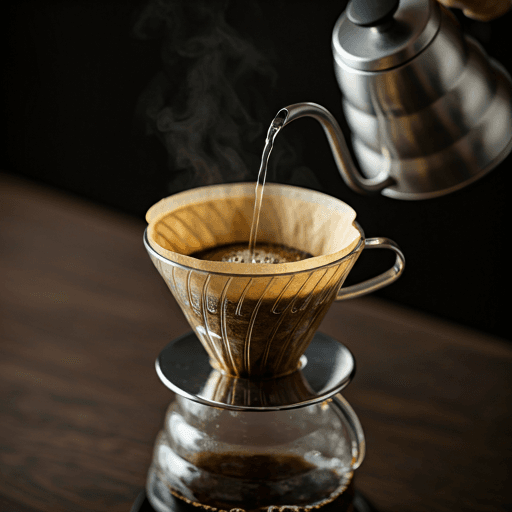
Does Decaf Coffee Have Caffeine? Yes, but Only a Little
Decaf coffee is decaffeinated, not caffeine-free. A cup holds only a few milligrams of caffeine, roughly 2 to 5 mg versus 80 to 100 mg in regular coffee. Here is how much is really left, why it is never quite zero, and who should keep it in mind.
Explainer
Coffee Sweetness, Explained: The Natural Sugar-Like Taste
Coffee sweetness is the natural, sugar-like caramel and honey taste a good cup can have with no added sugar. Here is where it comes from, how to taste it, and how to brew for more of it.
Explainer
French Press vs Drip Coffee: What's the Difference?
A French press steeps and presses for a rich, full-bodied cup, while a drip maker filters for a cleaner, lighter one. Here is how the two brewing methods differ and how to choose the right one for your morning.
Explainer
Single-Origin vs Blend Coffee: The Difference
Single-origin vs blend, made simple: single origin showcases one place's distinctive character, while a blend combines origins for a balanced, consistent cup. Here's how they differ and which one to choose.
Explainer
What Is a Galão? Portugal's Milky Coffee Explained
A galão is a Portuguese coffee of espresso topped with lots of hot foamed milk in a tall glass — milkier than a latte. Here is how it tastes, how the ratio works, and how to make one at home.
Explainer
Cortado vs Latte: What's the Difference?
A cortado is a small, espresso-forward 1:1 cut of coffee and milk; a latte is a big, milky café standard. Here is how ratio, size, foam, strength and taste set the two drinks apart — and how to pick the right one.
Explainer
Breve vs Cappuccino: What's the Difference?
A breve and a cappuccino share the same espresso shot but split on the dairy: half-and-half versus milk. Here's how that one swap changes richness, foam, texture and taste.
Explainer
Macchiato vs Cortado: What's the Difference?
A macchiato is espresso stained with a small dollop of milk, while a cortado cuts espresso with an equal part of warm milk. Here's how the milk ratio, size, strength, and texture of these two tiny espresso drinks compare — and how to choose.
Explainer
Does Lemongrass Tea Have Caffeine?
Pure lemongrass tea is naturally caffeine-free — a herbal tisane from the lemongrass plant, not the true tea leaves that carry caffeine. Here is why, and the one exception worth checking for.
Explainer
How Much Oolong Tea Per Day? A Simple Daily Guide
For most healthy adults, around three to four cups of oolong tea a day is a comfortable amount — enough to enjoy its polyphenols while keeping caffeine well under typical limits. Here is a light, general guide with a quick reference table.
Explainer
Is Herbal Tea Good for You?
Is herbal tea good for you? Generally yes — it is a caffeine-free, calorie-free way to stay hydrated, with gentle herb-by-herb reputations and a few sensible cautions worth knowing.
Explainer
How Much Matcha Per Day? A Simple Daily Guide
For most healthy adults, about 1 to 2 cups of matcha — roughly 1 to 2 teaspoons of powder — a day is a comfortable, commonly cited amount. Here is the caffeine math, the calm-alert reason people enjoy it, and who should sip less.
Explainer
Bancha vs Sencha: What's the Difference?
Both are everyday Japanese green teas from the same plant — but a different harvest gives sencha its bright, grassy snap and bancha its mellow, lower-caffeine calm. Here is how the two compare in taste, caffeine, brewing and when to drink each.
Explainer
First Flush vs Second Flush Tea, Explained
First flush vs second flush comes down to when the leaves were picked: light, floral spring tea versus fuller, muscatel-rich early-summer tea. Here is how the two harvests differ in flavor, body, color and brewing.
Explainer
Piccolo vs Cortado: What's the Difference?
A piccolo is a milkier small latte on a ristretto shot; a cortado is an even espresso-and-milk cut with almost no foam. Here is how the two tiny drinks differ in ratio, foam, size and taste — and which one to order.
Explainer
Café au Lait vs Latte: What's the Difference?
The real difference between a café au lait and a latte is the coffee base: brewed coffee with warm milk versus espresso with steamed milk and foam. Here is how they compare on taste, strength, foam, and which to order.
Explainer
Breve vs Latte: What's the Difference?
A breve and a latte start from the same espresso, but a latte uses steamed milk while a breve uses steamed half-and-half — making it richer, creamier and thicker-foamed. Here's how they compare on taste, body, calories, foam and caffeine.
Explainer
Flat White vs Cortado: What's the Difference?
A flat white and a cortado are both small espresso-and-milk drinks, but the milk sets them apart: a flat white is bigger with steamed milk and silky microfoam, while a cortado is smaller and cuts espresso with an equal part of barely foamed milk. Here is how size, ratio, foam, taste and strength compare, and which one to order.