
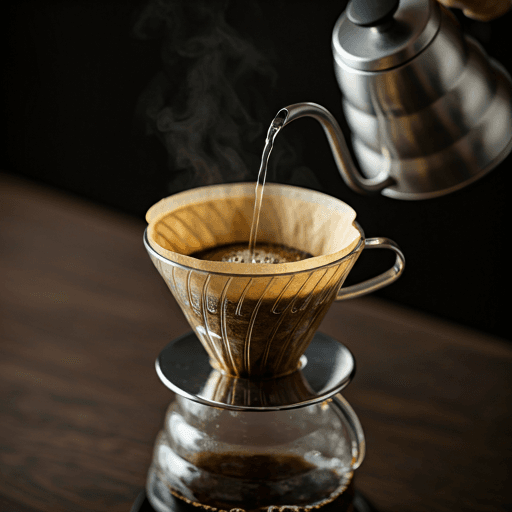
In coffee tasting, coffee sweetness is the pleasant, sugar-like quality a well-made cup can have without a single grain of added sugar. It shows up as a natural impression of caramel, honey, ripe fruit or chocolate that rises from the beans and a balanced brew, and it is one of the signals tasters lean on to judge quality. Real sweetness in coffee is quiet, it lingers, and it rewards a little attention.
If you have ever sipped a black coffee and thought "that tastes almost like it has sugar in it" even though it does not, you have already met this idea. Here is what it means, where it comes from, and how to coax more of it into your cup.
What coffee sweetness actually means
Sweetness in coffee is a perceived taste and sensation rather than a spoonful of sugar. The roasted bean holds only a trace of actual sugar by the time it reaches your grinder, so what you register is a rounded, sugar-adjacent impression — caramel, toffee, honey, maple, ripe stone fruit, milk chocolate — layered over the drink. It is widely treated as a marker of a high-quality, carefully grown and well-brewed coffee, and it is especially prized in specialty coffee circles.
Because it is an impression rather than a measurable dose, tasters describe it in the same family of words you would use for dessert. Many of those descriptors live on the coffee flavor wheel, which maps caramelised, sugary and fruity notes, so we will point you there rather than reproduce the whole map.
Where coffee sweetness comes from
The story starts on the farm. A ripe coffee cherry is genuinely sweet fruit, and the seed inside carries the natural sugars and compounds that will later read as sweetness. Riper cherries, picked at the right moment, tend to bring more of this raw material than under-ripe ones, which is one reason careful picking matters so much.
Processing
How the fruit is removed and dried shapes the result. Natural (dry) processing, where the bean dries inside the whole cherry, often pushes a jammy, fruit-sweet character; washed (wet) processing tends toward a cleaner, more chocolatey or caramel sweetness. Neither is "sweeter" in an absolute sense — they simply express it differently.
Roast
Roasting is where a lot of the perceived sweetness is built or lost. As heat develops the bean, Maillard reactions and light caramelisation turn some of those natural sugars into the toasty, caramel and chocolate notes we read as sweet — think of the smell of baking, or of sugar just beginning to colour in a pan. Push the roast too dark and much of that delicate sweetness burns off into bitterness and smoke; keep it balanced and it survives into the cup. This is chemistry in miniature, so treat the broad strokes as a general guide, not a lab result.
What builds or kills coffee sweetness
Even a naturally sweet, well-roasted coffee can taste flat if the brew is off. Above everything sits balanced extraction — how much flavour you pull from the grounds. Under-extract and the cup turns sour, sharp and thin; over-extract and it turns bitter, dry and hollow. Sweetness lives in the sweet spot between those two extremes, which is exactly why baristas chase balance. The full mechanics belong to our guide on coffee extraction; here it is enough to know that sweetness is the reward for getting extraction right.
| What helps sweetness | Why it matters | What to do |
|---|---|---|
| Ripe, well-processed beans | Sweetness starts as natural sugars in ripe cherry, so poor picking or processing leaves less to work with | Choose fresh, well-sourced specialty coffee and note the processing method |
| A balanced roast | Maillard reactions and caramelisation build the sweet notes; too dark a roast burns them off | Favour a medium or balanced roast when sweetness is your goal |
| Fresh, correct grind | Grind size drives how fast you extract, and an off-target grind pushes the cup sour or bitter | Grind finer to add extraction (less sour), coarser to pull back (less bitter) |
| Balanced extraction | The sweet spot between under and over is where sweetness appears | Adjust grind and ratio until both the sour and the bitter edges recede |
| Good water and temperature | Clean, mineral-balanced water near brewing heat extracts sugars cleanly | Use filtered water at brewing temperature, not scalding or lukewarm |
Notice the pattern: nearly every lever comes back to extraction. Get that band right and the sweetness the farm and the roaster put there finally has room to show.
How to taste sweetness in coffee
To find sweetness deliberately, slurp a spoonful or a sip so the coffee sprays across your whole palate and aerates. Let it sit a moment, then notice the finish: does a rounded, sugary or caramel impression linger after you swallow, or does the cup end sharp, bitter or simply blank? Genuine sweetness tends to arrive as a soft, lingering, pleasant aftertaste rather than an upfront hit.
A useful exercise is to compare two coffees side by side — say a fruit-forward natural-process coffee against a chocolatey washed one. Both can be sweet, but one leans toward ripe berry and the other toward cocoa and caramel. Tasting them together trains your palate to separate sweetness from brightness and from the weight you feel in the cup, which are different things entirely.
How to brew for more coffee sweetness
You cannot add sweetness that the beans do not already hold, but with a naturally sweet coffee you can brew so that more of it survives. Start with fresh, decently roasted beans, then chase balanced extraction: if the cup tastes sour and sharp, grind a little finer or brew a touch hotter or longer to pull more; if it tastes bitter and drying, grind coarser or ease off. Keep your ratio in a sensible range and change one variable at a time so you can actually hear what each move does.
Water matters more than people expect — flat, over-softened or heavily chlorinated water mutes sweetness, while clean filtered water with a little mineral content lets it read clearly. None of this is an exact formula; palates and beans vary, so treat these as starting points and trust your own tasting over any rule.
Sweetness vs acidity vs bitterness vs body
Sweetness is one attribute among several, and it is easy to mix them up. Keeping them straight makes coffee tasting far more useful:
- Sweetness — the rounded, sugar-like impression (caramel, honey, fruit, chocolate) that signals ripeness and balance.
- Acidity — the bright, lively, sometimes citrus-like or juicy sparkle; pleasant in balance, and covered in our coffee acidity guide.
- Bitterness — the sharp, drying edge that often points to a dark roast or over-extraction; a little is normal, but a lot crowds sweetness out.
- Body — the weight and texture of the coffee in your mouth, from tea-like to syrupy; that is a mouthfeel story, unpacked in our guide to body and mouthfeel.
Sweetness and acidity in particular tend to travel together in a great cup, each making the other feel more vivid, so learning to tell them apart is one of the most rewarding steps in tasting.
The takeaway
Chasing coffee sweetness is really about respect for the whole chain — a ripe cherry, thoughtful processing, a balanced roast, and a brew dialled to the sweet spot. Once you start listening for that quiet caramel-and-honey impression, it is hard to un-taste it, and the gap between an ordinary cup and an outstanding one suddenly feels enormous. No sugar required.