
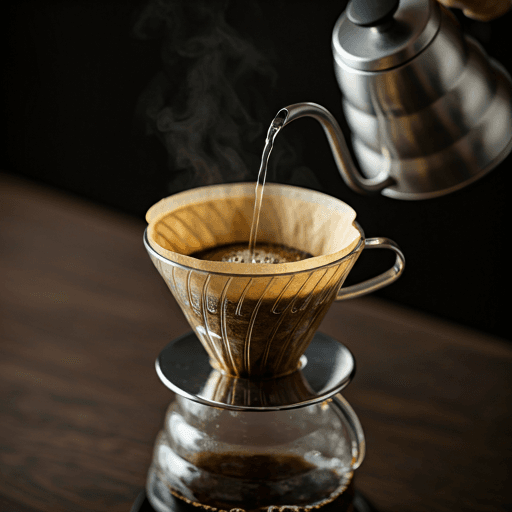
In specialty coffee, acidity is a compliment, not a complaint. Coffee acidity is the bright, tangy, lively quality — think the crisp snap of a green apple or a squeeze of citrus — that makes a cup taste vivid rather than flat and dull. It comes from the natural fruit acids inside the roasted bean, not from anything harsh on your stomach. When tasters call a coffee "bright" or "lively," this sparkle is usually what they mean.
That distinction matters, because the word "acidity" scares a lot of people. In everyday speech it sounds like heartburn or a sour lemon. In the language of coffee tasting it means something closer to freshness — the same way a wine or a ripe fruit tastes vivid. This guide is about flavor and brightness only. If you are worried about how coffee sits with your digestion, that is a separate topic we point you to below.
What coffee acidity means in tasting
So what is acidity in coffee, exactly? On a cupping table it is one of the core qualities professionals score, alongside sweetness, body, and aftertaste. Acidity is the perceived brightness or "sparkle" on your palate — the tingle near the front and sides of your tongue that makes a coffee feel alive. A high-acidity coffee tends to taste clean, juicy, and refreshing. A low-acidity coffee tastes rounder, heavier, and more mellow.
Crucially, bright coffee acidity is a prized trait, not a fault. Many of the world's most celebrated coffees — delicate washed lots from East Africa, floral high-grown Central American beans — are loved precisely because of their vibrant, wine-like acidity. Tasters reach for words like citric, crisp, tart, zingy, sparkling, or "juicy" to describe it. When people say a coffee is "bright," they are paying it a compliment.
Acidity is also distinct from sweetness and body, though the three interact. A great cup usually balances a lively acidity against natural sweetness so the brightness reads as pleasant rather than sharp. When that balance is right, an acidic coffee taste feels refreshing; when it is off, brightness can tip into something aggressive.
The acids behind the brightness
The sparkle you taste comes from a handful of organic acids that occur naturally in the coffee fruit and shift during roasting. You do not need to memorize the chemistry, but knowing the main players helps you name what you are tasting:
- Citric acid — the source of citrusy, lemon-and-orange notes; common in high-grown washed coffees.
- Malic acid — gives green-apple, pear, and stone-fruit brightness, crisp and clean.
- Acetic acid — in small amounts adds a pleasant winey tang; in excess it can read as sharp vinegar, so a little goes a long way.
- Phosphoric acid — an inorganic acid linked to that intense, almost fizzy "sparkling" brightness people prize in some African coffees.
- Chlorogenic acids — abundant in green beans; they break down as roast develops and contribute to both perceived acidity and, later, bitterness.
These acids come from the coffee itself — its origin, variety, and how the cherry was processed — not from any added flavoring. That is why a naturally bright coffee can taste of lime or berries without a single drop of syrup.
What drives coffee acidity
Acidity is not random. A predictable set of factors pushes a cup brighter or mellower, and once you know them you can shop and brew with intention.
Origin and altitude
Altitude is one of the biggest levers. High-grown coffees mature more slowly in cooler mountain air, developing denser beans and more of the acids that read as brightness. As a rule of thumb, higher-elevation origins tend to be brighter and more complex, while lower-grown coffees lean softer and heavier. Origin style matters too: many East African and high-altitude Central American coffees are famously vivid, while some lower-grown or Indonesian coffees are earthier and rounder.
Variety and processing
Genetics play a part — some plant varieties are simply more acidic than others. So does processing, the method used to remove the fruit from the seed. Washed (wet) processing tends to produce a cleaner, crisper, more pronounced acidity, while natural (dry) processing trades some of that sharp clarity for heavier body and fruity sweetness. It is one reason two coffees off the same farm can taste so different side by side.
Roast level
Roast is the factor you can most easily control at the shelf. Lighter roasts preserve more of the bean's original acids, so they taste brighter and more distinct. As roast goes darker, those acids break down and heavier, more bitter, roasty flavors take over, muting the brightness. That is why a light-roast pour-over can taste like citrus while a dark-roast espresso tastes of chocolate and toast. We cover the full spectrum in our explainer on coffee roast levels.
Brew temperature and time
Finally, how you brew nudges acidity up or down. Hotter water and finer grinds pull out more of everything, including the fruit acids, so brewing at a full temperature tends to emphasize brightness. Cooler water and shorter contact tend to give a softer, less acidic cup — which is partly why cold brew tastes so smooth and low-acid compared with the same beans brewed hot.
Acidity factor table
| Factor | More acidity / brightness | Less acidity / brightness |
|---|---|---|
| Growing altitude | High-grown (mountain) | Low-grown (lowland) |
| Roast level | Light roast | Dark roast |
| Processing | Washed / wet | Natural / dry (rounder) |
| Brew water temperature | Hotter (near boiling) | Cooler water |
| Contact / steep time | Longer, fuller extraction | Shorter contact |
| Grind size | Finer | Coarser |
| Brew method | Hot pour-over / filter | Cold brew |
Treat these as tendencies rather than guarantees — results vary by bean and by palate — but the directions are reliable enough to steer a cup.
Acidity vs bitterness vs sourness
People often mix up three very different sensations, so it helps to separate them clearly.
Acidity is that pleasant, sparkling brightness — a lively fruit-and-citrus quality that makes the cup feel fresh. It is generally a good thing and a sign of a well-made, characterful coffee.
Bitterness sits at the opposite pole: the deep, roasty, sometimes ashy quality that comes from dark roasting and from over-extraction. A little bitterness gives a coffee backbone; too much tastes burnt and flat.
Sourness is the trap in the middle. Harsh, puckering, unpleasant sourness usually is not "good acidity" at all — it is a sign the coffee is under-extracted, meaning water did not pull enough flavor from the grounds, often because the grind was too coarse, the water too cool, or the brew too short. The fix is a technique change, not a different bean. We unpack that difference in our guide to coffee extraction. The quick test: bright acidity is clean and refreshing and makes you want another sip, while sourness feels thin, empty, and sharp in a way that makes you wince.
How to taste more or less brightness in your cup
Once you can name acidity, you can dial it to taste. To bring out more brightness, choose a lighter-roast, high-grown, washed coffee; grind a touch finer; and brew with water just off the boil using a clean filter method like pour-over. Fresh beans matter too, since acids fade as coffee stales.
To taste less brightness and a rounder, mellower cup, reach for a darker roast or a natural-processed, lower-grown bean; grind slightly coarser; use marginally cooler water; or switch to cold brew, which is famously smooth. If your cup tastes sharply sour rather than pleasantly bright, do not just add sugar — go finer, hotter, or brew a little longer to extract more fully, and the harshness usually resolves into balanced brightness.
A note: tasting acidity is not stomach "acid"
This is the point that trips up the most people. The bright, tangy acidity you taste is a flavor quality — it is not the same thing as coffee feeling harsh on a sensitive stomach. A vividly bright light roast is not automatically "hard on you," and a smooth dark roast is not automatically gentle; digestion depends on the individual, not just on how bright the cup tastes. Responses vary from person to person, and this is general information, not medical advice — if coffee bothers you, talk to your own healthcare provider.
Because that is a genuinely separate subject, we cover it elsewhere. If you are asking about comfort rather than flavor, see coffee and acid reflux and our low-acid coffee guide, which deal with how coffee sits with digestion rather than how it tastes on the cupping table.
The bottom line
In coffee tasting, acidity is not a warning label — it is the spark. It is the crisp, juicy brightness that separates a vivid, memorable cup from a flat one, and it is shaped by everything from where the coffee grew to how you brewed it this morning. Once you start hearing "bright," "citric," and "lively" as praise rather than caution, a whole layer of flavor opens up. Try tasting a light-roast African coffee next to a dark-roast blend, side by side, and let your palate learn the difference between sparkling brightness and mellow depth. That contrast is the fastest way to make coffee acidity click.