
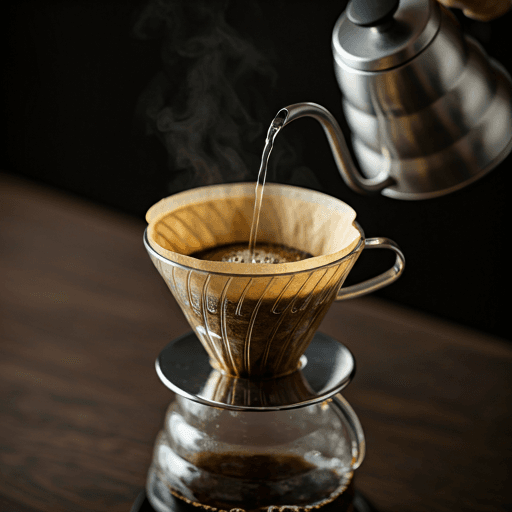
When it comes to café au lait vs latte, the difference starts with the coffee underneath the milk. A café au lait is brewed coffee — usually drip or French press — stirred together with roughly an equal part of steamed or scalded milk, while a latte is built on a shot or two of espresso topped with a larger pour of steamed milk and a thin layer of foam. That one choice of base is why a café au lait tastes softer and more homey, and a latte richer and more espresso-forward, often with latte art on top.
Café au Lait vs Latte: The Short Answer
If you only remember one thing about the difference between café au lait and latte, make it this: it is the coffee base, not the milk, that sets them apart. Both are gentle, milky coffees, so the confusion is understandable, but a café au lait leans on everyday brewed coffee while a latte leans on concentrated espresso. From there, everything else — strength, texture, foam, even how you make it at home — follows from that first decision. The sections below fill in the detail.
What a Café au Lait Is
A café au lait — French for "coffee with milk" — is simply brewed coffee combined with a roughly equal amount of hot milk. Traditionally the coffee is a strong drip or French-press brew, sometimes a dark, chicory-tinged one, and the milk is steamed or gently scalded on the stove rather than pulled through an espresso machine. It is a classic breakfast cup in France and a signature of New Orleans coffee houses, where it is often poured tableside from two pots at once. There is little to no foam, and the drink is served in a wide bowl or a large cup made for dipping bread or pastry. For the full story of its origins and rituals, see our guide to what a café au lait is.
What a Latte Is
A latte — short for the Italian caffè latte — starts with espresso instead of brewed coffee. A barista pulls one or two shots, adds a generous amount of steamed milk, and finishes with a thin cap of microfoam, usually about a centimeter deep. The result is roughly one-third espresso to two-thirds milk, which keeps the latte creamy and mild while preserving an espresso backbone. It is the default milky coffee on most café menus worldwide and the drink baristas reach for when pouring latte art. For a deeper look at the ratios and variations, see our explainer on what a latte is.
The Key Difference: Brewed Coffee vs Espresso
The single biggest split in the latte vs café au lait question is the coffee base. Espresso is brewed under pressure into a small, intense shot crowned with crema, while drip and French-press coffee are brewed with gravity or immersion into a larger, mellower cup. Put espresso under milk and you get the concentrated, slightly bittersweet punch of a latte. Put brewed coffee under milk and you get the rounder, easygoing character of a café au lait. The milk ratio matters too: a café au lait sits close to half coffee and half milk, while a latte carries a good deal more milk than espresso.
Café au Lait vs Latte at a Glance
Here is how the two drinks line up side by side.
| Attribute | Café au Lait | Latte |
|---|---|---|
| Coffee base | Brewed coffee (drip or French press) | Espresso (one or two shots) |
| Milk | Roughly an equal part, steamed or scalded | A larger amount of steamed milk |
| Foam | Little to none | Thin layer of microfoam |
| Rough ratio | About half coffee, half milk | About one-third espresso, two-thirds milk |
| Taste | Mellow, homey, balanced | Creamy, concentrated, espresso-forward |
| Latte art | Rarely | Yes, the classic canvas |
| Equipment | No espresso machine needed | Espresso machine (or a moka-pot stand-in) |
| Origin | French, and a New Orleans classic | Italian café standard, now worldwide |
Taste: Mellow vs Creamy
Taste is where the base coffee makes itself felt. A café au lait is mellow, homey, and balanced — the brewed coffee and milk meet in the middle for a smooth cup that is easy to drink for black-coffee fans and casual sippers alike. A latte, by contrast, is creamier and more concentrated; the espresso pushes through the milk with a bittersweet depth and a velvety body from the microfoam. If a café au lait is the coffee equivalent of a relaxed breakfast at home, a latte is the polished café drink you linger over. Sweetness follows the same pattern: lattes take beautifully to vanilla, caramel, or hazelnut syrups, while a café au lait is usually enjoyed plain or with just a little sugar.
Strength and Size
Neither drink is defined by its caffeine, and strength depends more on the coffee than on the name. A latte's caffeine comes entirely from its espresso shots, so a single-shot latte and a modest café au lait can land in a similar range, while a double-shot latte will usually carry more of a kick. A café au lait made with a robust French-press brew, on the other hand, can taste every bit as strong as a latte. As a rough guide, both tend to fall somewhere around one standard coffee's worth of caffeine, but the exact numbers vary widely with the beans, the roast, the brew method, and the serving size, and individual responses to caffeine vary — this is general information, not medical advice. On size, a café au lait is often served larger — a wide bowl or a big cup — while a latte usually sits in the 8-to-16-ounce range depending on the café.
Foam and Latte Art
Foam is one of the easiest ways to tell the two apart at a glance. A latte wears a thin, glossy layer of microfoam, which is exactly what lets a barista pour a rosetta, heart, or tulip on top — latte art is part of the drink's identity. A café au lait is usually flat or nearly so; the milk is warmed and poured rather than textured into stiff microfoam, so you rarely see art floating on the surface. If you spot a leaf-and-heart design, you are almost certainly looking at a latte.
Making Each at Home
The at-home story is where the café au lait really shines. You do not need an espresso machine: brew a strong pot of coffee however you like — drip, French press, or moka pot — warm an equal amount of milk on the stove or in the microwave, and pour them together. That accessibility is a big part of why the café au lait has stayed a home-kitchen staple for generations. A latte is trickier because it depends on espresso and steamed, textured milk; you can approximate one with a moka pot and a milk frother, but it asks for more gear and a little practice.
Is a Café au Lait a Latte? A Naming Note
Here is where menus cause trouble. A "café latte" or "caffè latte" is simply another name for a latte — it is not a café au lait, even though the words look similar. So the answer to "is a café au lait a latte" is no: they share the milk-and-coffee idea but rest on different bases. We untangle that label in our guide to latte vs café latte. It is also worth knowing that the café au lait has cousins around the world — the Spanish café con leche is the closest, a strong coffee cut with an equal part of hot milk in much the same spirit.
Cafe au Lait or Latte: Which Should You Choose?
Choosing between a café au lait or latte comes down to what you want from the cup and what you have on hand. Reach for a café au lait when you want a comforting, low-fuss coffee-and-milk you can make without a machine, or when you prefer a rounder, less concentrated flavor. Reach for a latte when you want the creamy texture and espresso depth of a café-style drink, a canvas for latte art, or a base for flavored syrups. Neither is better; they are two answers to the same craving for coffee softened with milk.
Once you know the base coffee is the deciding factor, the café au lait vs latte question mostly answers itself: brewed coffee for the homey, balanced cup and espresso for the creamy, café-style one. Order whichever suits your mood, and remember that the same beans can taste like two very different drinks depending only on how the coffee beneath the milk was made.