
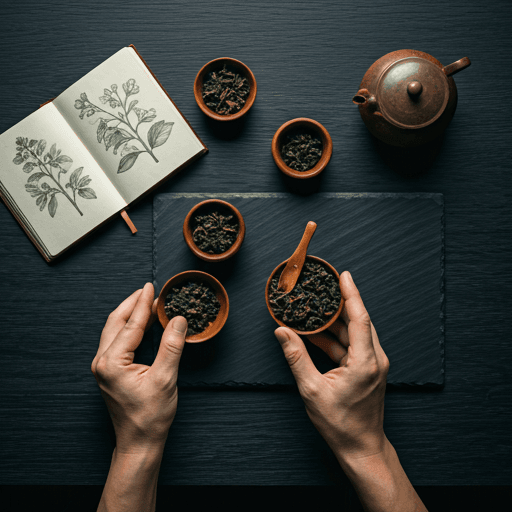
Is herbal tea good for you? For most people, the short answer is generally yes. A cup of herbal tea (more precisely, a tisane) is a warm, naturally caffeine-free, calorie-free way to stay hydrated, and many herbal teas carry gentle reputations for easing digestion or helping you wind down. The catch is that those effects are usually mild and vary a lot from herb to herb, and "herbal" does not automatically mean risk-free for everyone. Responses vary, and none of this is medical advice.
What Herbal Tea Actually Is
Most of the "teas" on a supermarket shelf are not tea in the botanical sense. True tea — green, black, oolong and white — all comes from the leaves of a single plant, Camellia sinensis. A herbal tea is an infusion of something else entirely: dried herbs, flowers, roots, seeds, bark or fruit steeped in hot water. Because there are no Camellia sinensis leaves in the cup, a pure herbal tea is almost always caffeine-free.
We will keep the definition brief here. For the full picture of what counts as a herbal tea, see what herbal tea is, why the more accurate name is a tisane, and how the whole caffeine-free category fits together. This article stays focused on one question: whether it is actually good for you.
So, Is Herbal Tea Good for You?
On balance, yes — herbal tea is a genuinely wholesome drink for most people, and the reasons are refreshingly simple. It is a way to drink more fluid, it carries no caffeine and no calories on its own, and it tends to feel soothing. Are herbal teas healthy in the way marketing sometimes implies, with dramatic transformations? No. But as an everyday habit, the benefits of herbal tea are real if modest.
Hydration you might actually enjoy
The most reliable benefit is the least glamorous: hydration. A hot, flavorful, unsweetened cup makes it easier to drink fluids throughout the day, especially for people who find plain water boring. Since a plain tisane has essentially no calories and no sugar, it hydrates without the trade-offs of sweetened drinks.
No caffeine, so it fits any time of day
Because a pure herbal tea has no caffeine, it slots into the evening as easily as the morning. That makes it a common choice for people cutting back on coffee or looking for something to sip after dinner without affecting sleep. Certain herbs are especially associated with relaxing routines; that side of the story is covered in herbal tea for sleep and relaxation.
Gentle, herb-specific reputations
Beyond hydration, many individual herbs have long-standing reputations for small comforts — a settled stomach, a calmer moment, a warming cup on a cold day. The evidence behind these varies widely, so it is best to think of the herbal tea health benefits as pleasant and plausible rather than guaranteed. Is herbal tea healthy overall? For everyday sipping, yes; just keep expectations grounded.
Popular Herbs and Their Gentle Reputations
Different tisanes are enjoyed for different reasons. The table below is a quick decoder of what each cup is made from and what many people reach for it — framed as tradition and popular habit, not as treatment.
| Herbal tea | Made from | Popularly enjoyed for |
|---|---|---|
| Chamomile | dried flowers | a mellow, apple-like cup for winding down at night |
| Lavender | flower buds | a floral, calming brew, often before bed |
| Peppermint | leaves | a fresh, cooling cup many find pleasant after meals |
| Ginger | root | a warming, spicy infusion people sip when feeling under the weather |
| Fennel | crushed seeds | a mild, licorice-like cup often enjoyed after eating |
| Hibiscus | dried petals | a tart, ruby-red drink that is refreshing hot or iced |
| Rooibos | red bush leaves | a naturally sweet, caffeine-free everyday cup |
| Lemongrass | chopped stalks | a bright, citrusy infusion many find refreshing |
Notice the phrasing: enjoyed for, not cures. These are the flavors and moods people associate with each herb. Any wellness effect is generally mild, differs between individuals, and is not a substitute for care from a professional.
What Herbal Tea Does Not Do
It is worth being blunt here, because this is where a lot of marketing overreaches. A cup of herbal tea will not detox your body, melt away fat, cure an illness or supercharge your immune system. Your liver and kidneys already handle detoxification; no tisane speeds that up in any meaningful way. "Slimming," "flat tummy" and "cleanse" teas lean on these claims, and the results — where any exist — usually come from mild dehydration or a laxative herb, not from anything you would want as a routine.
The honest framing is that herbal tea can be a small, pleasant part of a healthy pattern of eating, drinking and sleeping. It is not a shortcut and not a treatment. If a product promises rapid weight loss or dramatic health fixes from a teabag, treat that as a marketing red flag rather than a benefit.
"Herbal" Does Not Always Mean Safe
Natural is not the same as harmless. Most common tisanes — chamomile, peppermint, ginger, rooibos, hibiscus — are gentle for the average adult in normal amounts, but a few herbs deserve caution and some interact with the rest of your life in ways worth knowing.
- Some herbs interact with medication. Licorice root, for example, can affect blood pressure and potassium in large or frequent doses, and several herbs may interfere with prescription drugs.
- Some are not advised during pregnancy or breastfeeding. Strong or medicinal herbs, and "detox" or laxative blends containing senna, are common examples where caution is urged.
- Laxative and "slimming" blends can be harsh. Senna and similar ingredients are not meant for daily use.
- Very strong or very frequent doses matter. A concentrated, medicinal-strength brew is different from a mild everyday cup.
- Allergies happen. If you react to ragweed or related plants, chamomile and some flower teas can occasionally trigger it.
The practical rule: enjoy familiar tisanes freely, but if you are pregnant or breastfeeding, take regular medication, have an ongoing health condition, or want to drink a specific herb in large amounts, ask your own doctor or pharmacist first. Responses vary from person to person, and this article is general information, not medical advice.
How to Get the Most From Your Cup
A little care makes herbal tea taste better and, arguably, delivers more of whatever the herb has to offer. Because there is no caffeine to turn bitter, most tisanes are forgiving and reward a longer steep.
- Use good-quality herbs. Fresh, fragrant loose herbs or whole flowers and seeds generally taste fuller than old, dusty bags. If you can smell the herb before brewing, that is a good sign.
- Steep covered. Putting a lid or saucer over the cup keeps the aromatic oils in the water instead of drifting off as steam, which is where a lot of the flavor lives.
- Give it time. Five to ten minutes is common for herbal teas, and hardier ingredients like ginger root or fennel seed benefit from a gentle simmer.
- Crush seeds and slice roots. Bruising fennel seeds or slicing fresh ginger exposes more surface area and draws out more flavor.
- Sweeten thoughtfully. A little honey or a slice of lemon is fine; piling in sugar quietly undoes the "calorie-free" advantage.
Which Herbal Teas to Try First
If you are new to tisanes and just want reliable, easygoing cups, start with the crowd-pleasers. Peppermint is bright and clean after a meal. Chamomile is soft and mellow for the evening. Ginger is warming and lively. Hibiscus is tart and gorgeous over ice. Rooibos is naturally sweet and works morning or night. From there you can branch into lavender, fennel, lemongrass and beyond as your taste develops.
So, is herbal tea good for you? For most people, comfortably yes — as a caffeine-free, calorie-free, hydrating drink that is easy to love and hard to overdo, with a handful of sensible cautions for specific herbs and specific people. Keep the expectations modest, respect the exceptions, and a well-made tisane earns its place in the cupboard as one of the simplest good habits going.