
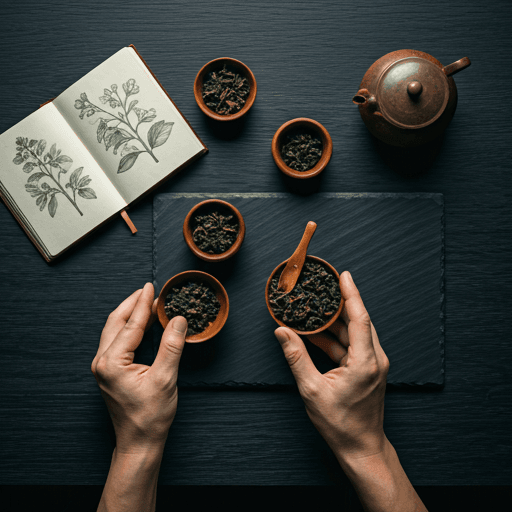
A tisane is a herbal infusion: a drink made by steeping herbs, flowers, fruit, roots, bark or spices in hot water. Despite being sold everywhere as "herbal tea," a tisane contains no true tea leaves at all, and most tisanes are naturally caffeine-free. In short, it looks and behaves like a cup of tea, but botanically it is something else entirely.
If you have ever brewed a bag of chamomile, peppermint or hibiscus and called it tea, you have made a tisane. The word simply gives a precise name to the enormous family of plant infusions that are not tea in the strict sense. Below we unpack what that means, where the odd little word comes from, the main styles you will meet, and how to brew one so it actually tastes of something.
What Is a Tisane, Exactly?
A tisane (sometimes written "tisane tea," though that is really a tautology) is any beverage made by steeping edible plant material in hot or near-boiling water and drinking the flavored liquid. The plant material can be almost anything aromatic and food-safe: dried mint leaves, chamomile flowers, slices of dried apple, shavings of ginger root, a stick of cinnamon bark, a few licorice pieces, or a blend of several. The technique is identical to brewing tea, which is exactly why tisanes get lumped in with it.
The one thing a tisane never contains is a true tea leaf. That single fact is what separates it from black, green, white, oolong and pu-erh, and it is worth understanding properly before you go any further. For the broad landscape of caffeine-free plant brews, our guide to herbal tea covers the wider category; here we are zooming in on the term itself and what it does and does not mean.
Tisane vs. Tea: The Key Distinction
"Tea," used strictly, means a drink made from the leaves of one specific plant: Camellia sinensis, the evergreen shrub behind every black, green, white, oolong and dark tea in the world. Everything that comes from that plant is tea; everything else that you steep is, technically, a tisane. You can read more about the plant in our explainer on Camellia sinensis, the tea plant, and about what actually goes into your cup in what tea leaves are.
This is why a purist will gently point out that "chamomile tea" or "peppermint tea" is not really tea. It is a tisane. The distinction is not snobbery so much as botany: because no Camellia sinensis is involved, a tisane behaves differently in the cup. It usually carries no caffeine, its flavor comes from whatever herb, flower or spice you used, and it can be steeped for far longer without turning harsh, since there are no tannins from tea leaves to make it bitter.
Rule of thumb: if it grew on the tea plant, it is tea. If it grew on anything else, it is a tisane, no matter what the box on the shelf calls it.
Where the Word "Tisane" Comes From
Tisane is pronounced roughly "ti-ZAHN" (the stress falls on the second syllable), and English speakers also say "ti-ZAN." The word arrived in modern usage from French, but its roots run much deeper. It descends, by way of Latin, from the Ancient Greek word ptisane, which meant peeled or pearled barley and, by extension, a drink made from it: a kind of soothing barley water.
So the original tisane was not herbal at all: it was a simple grain infusion taken as a gentle, restorative drink. Over the centuries the meaning widened to cover any plant steeped in water for pleasure or comfort. That long history is why the word still carries a faintly old-fashioned, apothecary-shelf feeling, and why cafes and menus in France reach for "tisane" where an English menu might just say "herbal tea."
The Main Types of Tisane
Tisanes are usually grouped by which part of the plant does the work. Most of what you will meet falls into four broad families, and many blends mix several together.
Leaf and herb tisanes
Made from the leaves and soft stems of aromatic plants. Peppermint, spearmint, lemongrass, lemon balm, tulsi and rooibos all sit here. Rooibos, a reddish South African plant, is one of the most popular tisanes in the world precisely because it brews a rich, tea-like cup with no caffeine and very little bitterness.
Flower tisanes
Brewed from dried blossoms. Chamomile is the classic, prized for its soft, apple-honey character; hibiscus delivers a tart, cranberry-red cup; and lavender, rose and osmanthus add floral perfume, often blended with other ingredients. Chamomile is such a staple that we cover it on its own in our piece on chamomile tea.
Fruit tisanes
Built around dried fruit and berries: apple, orange peel, elderberry, rosehip, blueberry and the like. These give the sweet-tart, juicy cups that are popular served both hot and iced, and they are often the base of caffeine-free "fruit teas."
Root, bark and spice tisanes
The heartiest group, drawing flavor from tougher plant parts: ginger and licorice root, cinnamon and cassia bark, cardamom, clove, star anise and turmeric. Honeybush, a close relative of rooibos, and chicory also live near this end of the spectrum. Because roots, bark and seeds are dense, they usually need the hottest water and the longest steep of any tisane.
A Quick Tisane Decoder
| Tisane family | Example plants | Typical flavor |
|---|---|---|
| Leaf / herb | Peppermint, lemongrass, lemon balm, rooibos | Fresh, green, cooling; rooibos rich and mellow |
| Flower | Chamomile, hibiscus, lavender, rose | Soft and honeyed to sharply tart and floral |
| Fruit | Apple, rosehip, elderberry, orange peel | Sweet-tart, juicy, jammy |
| Root / bark / spice | Ginger, licorice, cinnamon, cardamom, clove | Warming, spicy, sweet, sometimes peppery |
How to Brew a Tisane Well
The good news is that tisanes are forgiving, far more so than delicate green tea, which scorches easily. Because there are no tea-leaf tannins to turn bitter, you can be generous with both heat and time.
- Use hotter water. Most tisanes are happiest with water at or near a full boil (around 95 to 100 C / 205 to 212 F), unlike green tea, which prefers cooler water. Dense roots, bark and spices in particular need that heat to release their flavor.
- Steep longer. Give a tisane about 5 to 10 minutes, rather than the two or three minutes you would allow green tea. Leaves and flowers sit at the shorter end; roots, bark and dried fruit reward the longer end.
- Keep it covered. Put a lid or saucer over the cup or pot while it steeps. This traps the volatile aromatic oils, especially with mint and spices, that would otherwise drift off as steam.
- Use plenty of material. Because a tisane is milder than a strong black tea, a slightly heavier hand with the herbs or a second bag often gives a fuller cup.
If you are working with whole flowers, leaves or chopped roots rather than bags, the same approach you would take for any loose infusion applies: an infuser or a small strainer keeps the pieces out of your cup while everything steeps freely, exactly as you would brew loose-leaf tea.
Do Tisanes Contain Caffeine?
As a rule, no, but it does vary by plant, so it is worth being specific. The vast majority of tisanes, chamomile, peppermint, hibiscus, rooibos, ginger and fruit blends, are naturally caffeine-free, which is a large part of their appeal as evening or all-day drinks. Since caffeine in the tea world comes from Camellia sinensis, and a tisane by definition contains none of that plant, there is usually nothing to worry about.
There are, however, a couple of notable exceptions worth flagging. Yerba mate and guayusa, both South American infusions made from species of holly, are genuinely caffeinated tisanes and can give a coffee-like lift. So while "tisane" and "caffeine-free" usually go together, it pays to check the specific plant, especially if you are steeping something unfamiliar or reaching for an energizing blend.
A Gentle Word on Comfort
Much of the enduring love for tisanes comes down to feeling rather than pharmacology. A hot cup of chamomile before bed, ginger when you are feeling under the weather, or peppermint after a heavy meal may simply be comforting: warm, aromatic, unhurried, and free of the caffeine that would keep you up. That ritual is a perfectly good reason to brew one, quite apart from any specific claim, and it is why tisanes have kept their place on the shelf for centuries.
The Bottom Line
A tisane is the proper name for the "herbal tea" you already know: an infusion of herbs, flowers, fruit, roots, bark or spice, with no true tea leaf in sight and, almost always, no caffeine either. Sort them by plant part, brew them hot and long with a lid on top, and remember the rare caffeinated outliers, and you have everything you need to enjoy the whole colorful, comforting world of tisanes with confidence.