
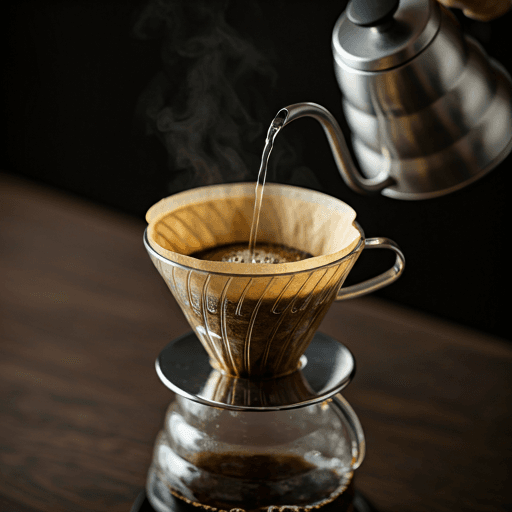
Set a cortado next to a latte and the cortado vs latte question mostly answers itself: both are simply espresso and steamed milk, but the milk-to-espresso ratio and the cup size are what pull them apart. A cortado is small — around 4 oz — and cuts a shot of espresso with roughly an equal part of lightly steamed milk and almost no foam, so it drinks bold and balanced. A latte is much bigger — usually 8 to 12 oz — with far more steamed milk and a thin layer of foam, so it lands milky, mellow and creamy.
Neither is "better." They are two answers to the same idea — softening espresso with milk — pitched at opposite ends of the milk dial. Here is how to tell them apart and pick the one you actually want.
Cortado vs latte: the quick answer
If you remember one thing about cortado vs latte, make it this: it is a question of ratio and size, not of ingredients. A cortado is a roughly 1:1 cut of espresso and warm milk in a small glass. A latte is that same espresso base buried under a much larger volume of milk. More milk means a bigger, milder, creamier drink; less milk means a small cup where the coffee stays firmly in charge. Everything else — strength, texture, whether it takes latte art — flows from that single difference in ratio and size.
What a cortado is
A cortado is an espresso "cut" (the Spanish cortar means to cut) with an equal part of warm, lightly textured milk and just a whisper of foam. It is typically served in a small glass around 4 oz, and the milk exists to take the edge off the espresso without drowning it — you still taste the shot clearly. The result is clean, silky and balanced rather than foamy or noticeably sweet. Its origins are Spanish, and you will find close cousins across the Spanish- and Portuguese-speaking world.
Because a cortado keeps the milk minimal, it sits close to other small milk drinks. For the full definition and the way baristas actually build one, see our guide to what a cortado is, and for a near neighbour compare it with the flat white vs cortado matchup.
What a latte is
A latte (from the Italian caffè latte, literally "milk coffee") is espresso topped with a large amount of steamed milk and finished with a thin layer of microfoam. A common build is roughly one third espresso to two thirds or more steamed milk, poured into an 8 to 12 oz cup. That generous milk volume makes it the mellow, creamy, everyday café standard — the default order in coffee shops worldwide — and its smooth microfoam surface is the classic canvas for latte art. For the full breakdown, see what a latte is.
The key difference: milk ratio and size
The heart of the difference between cortado and latte is two numbers: the milk-to-espresso ratio and the total size. A cortado is a tight, roughly 1:1 cut — one part espresso to about one part milk — served small. A latte is milk-heavy, often 1:3 or more espresso to milk, served large. Same espresso, radically different amount of milk around it.
That is why the two drinks feel so different in the hand and in the mouth even though the recipe starts identically. A cortado is a couple of quick, flavour-dense sips; a latte is a long, soft, comforting drink you nurse. The table below lays the contrast out side by side (all figures are typical ranges — cafés vary).
| Attribute | Cortado | Latte |
|---|---|---|
| Typical size | ~4 oz (small) | ~8-12 oz (large) |
| Milk-to-espresso | ~1:1 (equal cut) | Milk-heavy, ~1:3 or more |
| Foam | Minimal, just a thin veil | Thin microfoam layer |
| Texture | Silky, light, close to the shot | Creamy, milky, rounded |
| Taste | Espresso-forward, balanced | Mellow, soft, milk-forward |
| Latte art | Rarely — too little foam and surface | Yes — the classic canvas |
| Origin | Spain | Italy (caffè latte) |
| Served in | Small glass | Larger cup or glass |
| Best for | A short, strong-but-smooth cup | A big, comforting milky coffee |
Strength and taste: is a cortado stronger than a latte?
In flavour, yes — a cortado tastes stronger and more espresso-forward than a latte. With so little milk to dilute it, the roast, the crema and any bitterness or sweetness of the shot come through clearly. A latte, wrapped in three or four times as much milk, tastes softer, sweeter and more diluted; the coffee reads as a warm background note rather than the headline.
So when someone asks whether a cortado is stronger than a latte, the honest answer is: it usually tastes stronger because the coffee is more concentrated in the cup, but that is about intensity of flavour, not necessarily about caffeine (more on that below). If you like tasting the espresso, the cortado wins; if you want the coffee gentled right down, the latte does.
Foam and latte art
Foam is the other giveaway. A latte carries a thin, glossy layer of microfoam on top of a lot of steamed milk — enough surface and enough contrast for a barista to pour a rosetta or a heart. A cortado has barely any foam at all; the milk is warmed and lightly textured, not whipped into a cap, so there is little to draw on. If you are handed a small glass with a plain, silky surface, it is a cortado; a wide cup with a design on top is almost always a latte. A cappuccino, by contrast, is deliberately foam-forward and much airier than either — if that is the axis you care about, see cappuccino vs latte.
Caffeine: does one have more?
Here is the twist most people get wrong: the extra milk in a latte does not add caffeine. Both drinks are built on espresso, so the caffeine comes down to how many shots go in, not how much milk surrounds them. A standard cortado and a standard latte are often both pulled on one to two shots, which means their caffeine is frequently in the same ballpark — the latte just spreads that caffeine across a much bigger, milkier drink.
This does vary by café and by order. A large latte made with a double shot will out-caffeinate a single-shot cortado; a cortado on two ristretto shots can carry plenty. As a rule of thumb, count the shots, not the milk. Responses to caffeine differ from person to person, so if you are watching your intake, ask about the shot count rather than assuming the smaller drink is weaker — and this is general information, not medical advice.
Cortado or latte: which should you choose?
Choose by what you want the cup to do. Order a cortado when you want a short, punchy, well-balanced coffee — espresso softened just enough to be smooth, without a wall of milk, and drunk in a few sips. It is the pick for an after-lunch coffee or when you want to actually taste the beans. Order a latte when you want a big, mild, creamy, comforting drink to sip slowly, especially first thing in the morning or when you would rather the coffee stay gentle.
Put simply: cortado or latte comes down to strong-and-small versus mild-and-large. Both start from the same shot of espresso — one keeps the coffee in the spotlight, the other tucks it into a milky embrace. Once you know it is really a milk-ratio decision, ordering exactly the cup you are in the mood for gets a lot easier.