
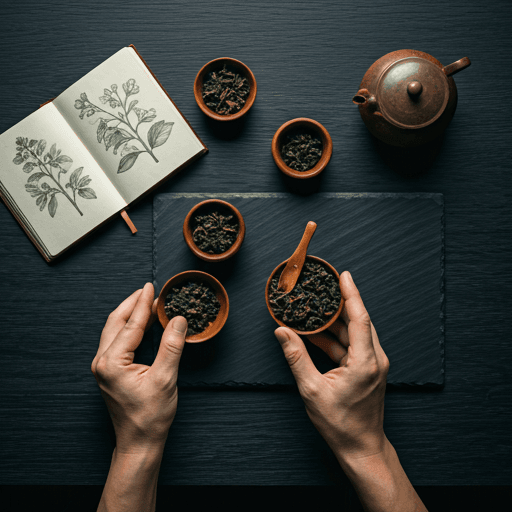
In the bancha vs sencha comparison, both are everyday Japanese green teas made from the very same plant, Camellia sinensis — the real difference comes down to which leaves are picked and when. Sencha is made from the tender young leaves of the earlier harvest, giving a fresh, grassy, gently sweet cup with a little astringency, while bancha uses the larger, more mature leaves of later pickings, tasting milder, mellower and lower in caffeine. Think of sencha as the vivid daytime green tea and bancha as the easygoing, rustic cup you can drink all day.
Both belong to the wider world of steamed Japanese green teas, so if you want the full family tree it is worth browsing Japanese tea types and the broader world of types of green tea before you settle on a favorite.
What sencha is
Sencha is Japan's most popular green tea — the cup most households reach for and the one most people picture when they think "Japanese green tea." It is made from tender, early-season leaves that are steamed soon after plucking to lock in their color, then rolled into fine, glossy, needle-like shapes and dried. Because it uses the freshest young growth, sencha brews up a bright yellow-green liquor with a lively, grassy, vegetal character, a savory umami depth and a clean, mildly astringent finish.
There is a lot of nuance inside the category — first-flush spring sencha, deeper-steamed fukamushi styles and shaded leaves all taste distinct — but we will leave that deep dive to our dedicated guide to what sencha green tea is. For this comparison, the headline is simple: sencha is the vivid, flavor-forward member of the pair.
What bancha is
Bancha translates as something close to "ordinary tea," and the name describes its everyday role rather than any flaw. It is made from the coarser, more mature leaves harvested later in the season, after the prized early flushes have already been plucked for sencha. Those bigger leaves — often mixed with a few stems — carry less of the intense grassy punch and brew a softer, mellow, slightly woody or toasty cup that is easy to drink by the potful.
Because the leaf is mature and the tea is abundant, bancha has long been the humble, everyday brew in Japan — the pot that sits on the table at mealtimes. It is also the base for many roasted and toasted Japanese teas, so if you enjoy a nuttier, lower-caffeine style you are already halfway there. For the fuller story of its styles and cousins, see our guide to what bancha green tea is. Here, the takeaway is that bancha is the gentle, low-key half of the duo.
Bancha vs sencha: the key difference
The single fact that drives every other difference between bancha and sencha is leaf maturity and harvest timing. Sencha uses young, early-picked leaves; bancha uses older, later-picked ones. That one choice cascades into flavor, caffeine and everyday value — younger leaves are more concentrated and more prized, older leaves are milder and more plentiful. Everything in the table below flows from that.
| Attribute | Bancha | Sencha |
|---|---|---|
| Harvest | Later pickings, mature leaves | Earlier harvest, young tender leaves |
| Leaf | Larger, coarser, often with some stems | Fine, glossy, needle-like |
| Flavor | Mellow, mild, slightly woody or toasty | Fresh, grassy, umami, mildly astringent |
| Caffeine | Generally lower (varies) | Generally higher (varies) |
| Water temperature | Forgiving; near-boiling is fine | Cooler, about 70–80 °C |
| Steep time | Relaxed, hard to over-brew | Short, to avoid bitterness |
| Best for | Meals, evenings, all-day drinking | Daytime, savoring flavor |
| Role | Humble everyday cup | Japan's most popular green tea |
Taste
In a side-by-side tasting the contrast is obvious. Sencha is vivid and vegetal — think fresh-cut grass, steamed greens, a whisper of seaweed and a savory umami roundness, with enough astringency to keep it crisp. Bancha is gentle and easy-drinking — mellow, mild, a touch woody or nutty, with far less bite. If sencha is the tea you sip slowly to appreciate, bancha is the tea you drink without thinking about it. This is the heart of the sencha vs bancha choice: intensity versus ease.
How to tell them apart in the bag
You do not need to be an expert to spot the difference. Dry, sencha leaves look fine, dark and tightly rolled into thin needles, while bancha leaves are noticeably larger, flatter and more olive-brown, sometimes with visible stalks. In the cup, sencha pours a brighter yellow-green and smells grassy and marine; bancha pours a paler, more golden-green liquor with a softer, hay-like aroma. Set the two side by side and the leaf size alone usually gives it away.
Caffeine: is bancha lower in caffeine?
Yes — bancha is generally lower in caffeine than sencha, and the reason ties back to the leaf. Younger, faster-growing shoots concentrate more caffeine, so the early leaves that become sencha tend to carry more, while the mature leaves used for bancha carry less. Exact figures vary a lot by cultivar, growing method, how much leaf you use and how hot and long you steep, so treat any single number as a rough guide rather than a promise. If you are watching your caffeine or want something for later in the day, bancha is the easier pick. Responses to caffeine vary from person to person, and none of this is medical advice — if caffeine sensitivity, sleep or pregnancy is a concern, check with your own healthcare provider.
Brewing bancha and sencha
Brewing is where the difference between bancha and sencha shows up most in your own kitchen. Sencha is delicate and can turn bitter and harshly astringent if you scald it, so it likes cooler water — roughly 70–80 °C (about 160–175 °F) — and a short steep of around 30 to 60 seconds. Let the kettle cool for a minute or two after boiling, use a modest amount of leaf, and stop the steep before it turns sharp.
Bancha is far more forgiving. Its mature leaves shrug off hotter water — near-boiling is fine — and a longer steep without sliding into bitterness, which is part of why it is such an easy everyday tea. That relaxed brewing is a genuine practical reason many people keep bancha around: it is hard to get wrong, even without a thermometer.
When to drink each
The flavor and caffeine differences point to natural moments for each. Sencha, with its brighter character and higher caffeine, suits the daytime — a morning or midday cup where you want a lift and a lively, fresh flavor. Bancha, milder and lower in caffeine, is the classic mealtime pour and a comfortable evening option when you want something warm without a strong jolt. Many tea drinkers simply keep both: sencha for the morning, bancha for after dinner.
Bancha or sencha: which should you choose?
There is no single winner — the honest answer to "bancha or sencha" depends on what you want from the cup. Reach for sencha if you love a fresh, grassy, umami-rich green tea, don't mind a little brewing care, and want the more celebrated, flavor-forward experience. Reach for bancha if you want a gentle, mellow, low-caffeine everyday brew that is forgiving to make and easy to drink all day. Beginners often find bancha the friendlier starting point, while sencha rewards a little attention with more complexity. The good news is that both come from the same leaf and the same tradition, so getting to know one naturally deepens your appreciation of the other.
Bancha and sencha are less rivals than two sides of the same everyday Japanese green tea — one picked young for brightness, the other picked later for mellow ease. Learn how each behaves in the cup and you can match the tea to your mood and the hour, rather than crowning a permanent favorite. Keep a little of both on the shelf and you are set for the whole day.