
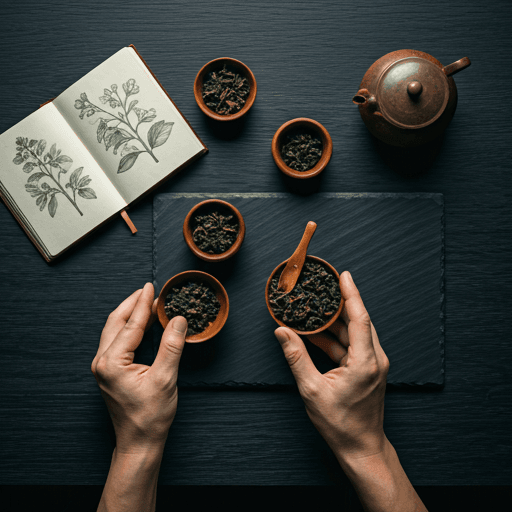
Bancha is an everyday Japanese green tea made from the larger, more mature leaves picked later in the growing season, after the finer early flushes have already been plucked for sencha. It is lower in caffeine and gentler than sencha, with a mild, slightly nutty, refreshing character -- the kind of tea Japanese households keep on the table and sip all day, with meals and in between them.
If sencha is Japan's polished everyday green, bancha is its relaxed, unpretentious sibling: cheaper, milder and almost impossible to brew badly.
What Is Bancha? The Name and the Leaf
The word bancha (番茶) is usually translated as "common tea" or "ordinary tea." Ban carries a sense of everyday, coarse or routine, and cha simply means tea, so the name itself tells you this is the honest, workaday green tea of daily life rather than a rare, prized leaf.
Bancha comes from the same plant as nearly every Japanese green tea, Camellia sinensis, and is processed in the same broad way: the leaves are steamed soon after picking to halt oxidation, then rolled and dried so they stay green rather than turning into black or oolong tea. What sets bancha apart is timing and grade. The tender first-flush leaves and buds of spring are reserved for finer teas such as sencha and gyokuro. Bancha is made from what comes afterward -- bigger, tougher, more mature leaves from the second, third or later harvests, sometimes with a little stem mixed in. Coarser leaf, later in the year, lower on the bush: that is Japanese bancha in a single line.
Bancha vs Sencha: Same Plant, Different Leaf
Bancha and sencha are close cousins, and the difference is mostly about which leaves end up in the tin. Sencha, Japan's most popular green tea, is made from the finer, younger leaves of the earlier harvest; bancha is made from the more mature leaves gathered across the rest of the season.
Because those leaves are older and the pluck is less selective, bancha is generally milder, with less of the rich, savory umami and far less of the astringency you find in a good sencha. It also tends to carry less caffeine, brews more forgivingly and costs less. None of that makes it a lesser tea -- plenty of drinkers actively prefer bancha's easygoing, thirst-quenching cup precisely because it is light and undemanding. For the full family map of Japan's steamed and shaded greens, our guide to Japanese tea types lays them out side by side.
It helps to remember that "later harvest" and "coarser leaf" describe grade, not necessarily quality in the everyday sense. A carefully made bancha from a good garden can be a lovely, clean, satisfying tea; a carelessly stored one can taste flat and papery. The label tells you what part of the season and the plant the leaves came from, not how much care went into them.
What Bancha Tastes Like
Bancha is light-bodied and refreshing, landing somewhere between grassy and nutty. Expect a clean, mellow green-tea flavour with gentle vegetal notes, a hint of hay or straw and sometimes a faintly sweet, roasted-nut edge -- without the intense marine, spinach-like depth of a high-grade sencha. Astringency is low, so a cup of bancha tea rarely turns harsh or bitter even if you are a little careless with the water temperature or the timing.
That mildness is the whole point. Bancha is the tea you reach for when you want something soothing and endlessly drinkable rather than a concentrated tasting experience.
How to Brew Bancha
One of bancha's charms is that it is hard to get wrong. Because the mature leaves are sturdier and hold fewer of the compounds that turn bitter, it takes fairly hot water and a short steep without complaint.
A good starting point is water around 80-90 C (roughly 176-194 F) -- hotter than you would use for a delicate gyokuro -- poured over about a teaspoon of leaf per cup and steeped for some 30 seconds to a minute before you pour it off completely. Good bancha will happily give you two or three more infusions, so keep the leaves and top them up with fresh hot water. Compared with fussier Japanese greens, bancha simply leaves you far more room for error.
A small side-handled Japanese teapot (a kyusu) with a built-in strainer makes bancha especially easy, but any pot or infuser works. If the cup ever tastes thin, add a little more leaf rather than steeping longer; if it edges toward bitter, drop the water temperature a few degrees. Those two levers are really all you need to dial in a bancha you like.
Bancha's Roasted and Blended Relatives
Several well-known Japanese teas are essentially bancha in another guise, which is part of why the humble leaf matters so much across the whole category.
Hojicha is bancha (or sometimes sencha) that has been roasted in a pan or drum until the leaves turn reddish-brown. Roasting drives off much of the grassy character and a good deal of the caffeine, leaving a toasty, caramel-like, almost coffee-adjacent cup; we cover it in full in our guide to hojicha, the roasted green tea.
Genmaicha is green tea -- often bancha -- blended with roasted, popped brown rice, which adds a warm, savory, popcorn-like note that softens the tea further.
Kukicha, or twig tea, is made largely from the stems and stalks left over when sencha and other teas are processed, and it delivers a light, faintly sweet, low-caffeine cup. To see how all of these sit alongside matcha, sencha, gyokuro and the rest, our overview of types of green tea is the place to start.
Bancha vs Sencha vs Hojicha at a Glance
| Tea | Leaf / how it is made | Caffeine | Flavour |
|---|---|---|---|
| Bancha | Mature, later-harvest leaves left after sencha's finer early pluck | Relatively low | Mild, grassy-to-nutty, low astringency |
| Sencha | Finer, younger early-harvest leaves, steamed and rolled | Moderate to higher | Fresh, grassy, umami-rich, more astringent |
| Hojicha | Bancha (or sencha) roasted until brown | Low | Toasty, caramel, nutty, barely grassy |
Does Bancha Have Caffeine?
Yes, but relatively little. As a true tea from Camellia sinensis, bancha does contain caffeine, yet because it is made from mature leaves -- which hold less caffeine than young buds and shoots -- it usually sits toward the lower end of the green-tea range. Exact levels shift with the specific leaf, the harvest and how strongly you brew, so treat any single figure as a rough guide rather than a promise.
That modest caffeine load is a big reason everyday bancha tea is drunk from morning to night in Japan, including with dinner and by people who find stronger teas or coffee too stimulating late in the day. If you are curious about what green tea may offer beyond its caffeine, our roundup of green tea benefits covers the compounds involved and the sensible, non-medical caveats.
When to Drink Bancha
Bancha is built for volume. Its low cost, gentle caffeine and forgiving brew make it the natural choice for a big pot to share, a refill you barely think about, or a soothing cup with a meal. In many Japanese homes and casual eateries it is the default green tea poured with food, precisely because it cleanses the palate without overwhelming it.
It also suits anyone who loves green tea but finds high-grade sencha too intense or too easy to over-brew into bitterness. Serve it hot in the cooler months, or chill a pot in the fridge for an unfussy iced green tea when the weather warms up -- either way, bancha stays easygoing.
The Takeaway
Bancha rarely gets top billing, and that is precisely its appeal. It is the unfussy, all-day green tea that keeps a Japanese kitchen ticking over -- gentle on caffeine, forgiving in the pot and quietly satisfying cup after cup. Once you have a mellow bancha green tea within reach, you may find it becomes the tea you pour without even thinking about it, which is about the highest compliment an everyday tea can earn.