
Knowledge Base
Coffee & Tea Guides
Brew better and explore more — buying guides, how-tos, and explainers for every coffee and tea ritual.
Explainer
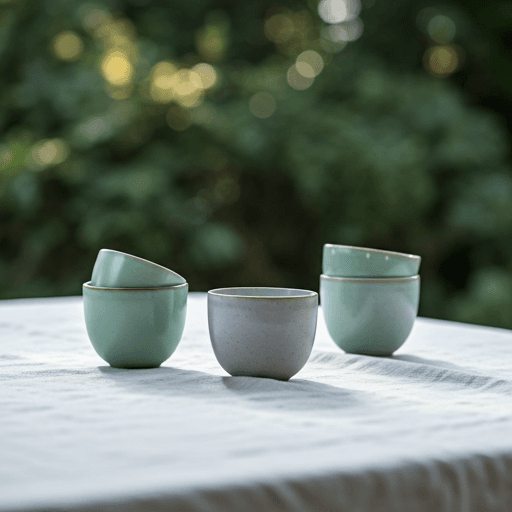
How Much Reishi Tea Per Day? A Gentle, Non-Medical Guide
There is no official limit on reishi tea, but this earthy, bitter mushroom tisane is strong, so many people keep it to about one or two gentle cups a day, often for a short spell. Here is how to start, brew and adjust, plus a light, non-medical safety note.
Explainer
How Much Pu-erh Tea Per Day? A Simple Daily Guide
Pu-erh is a caffeinated true tea from Yunnan, China, so how much you drink comes down to caffeine as much as taste. Here is a hedged, practical look at a sensible daily amount, timing, re-steeping and how to start.
Explainer
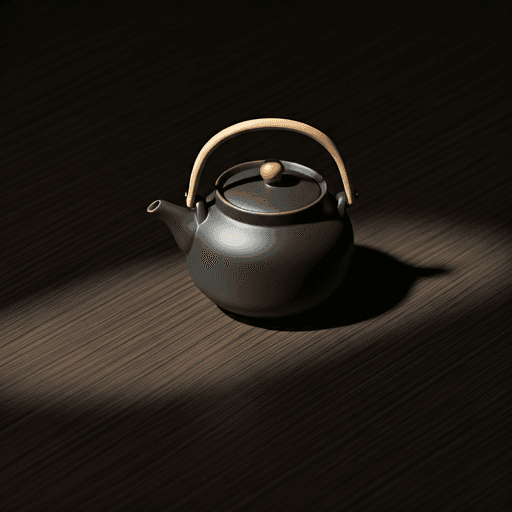
How Much Palo Azul Tea Per Day? A Simple Everyday Guide
There is no single official limit on palo azul tea, but a common gentle range is about 1 to 3 cups a day. Since the plain bark-and-wood brew is caffeine-free, how much is mostly about taste, tolerance, and starting with one.
Explainer
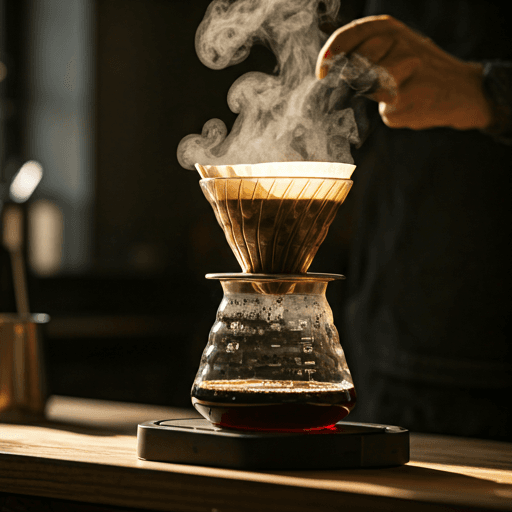
How Much Caffeine Is in Drip Coffee?
An 8 oz cup of drip coffee typically carries about 80 to 100 mg of caffeine, with a real-world range near 70 to 140 mg. Here is what moves the number, plus how drip stacks up against espresso and instant.
Explainer
The Ethiopian Coffee Ceremony, Explained
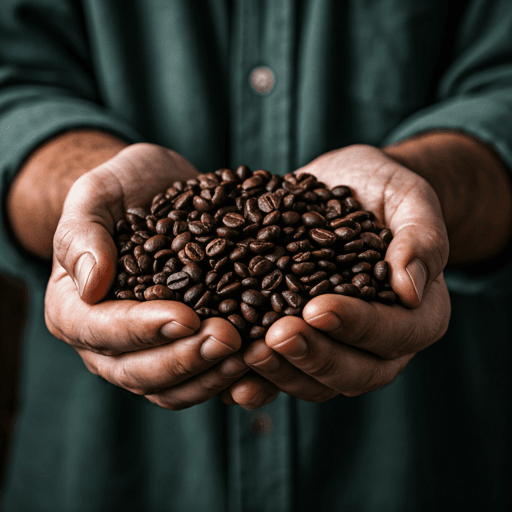
The Ethiopian coffee ceremony is a from-scratch ritual of roasting, grinding and brewing coffee in a jebena, served in three rounds as an act of welcome and community.
Explainer
What Is Blonde Roast Coffee?
Blonde roast is just a light roast — coffee pulled early so it stays pale, mild and bright. Here is what it tastes like, how it brews, the caffeine truth, and how it compares to medium and dark roasts.
Explainer
What Is Dandelion Coffee? The Caffeine-Free Root Brew
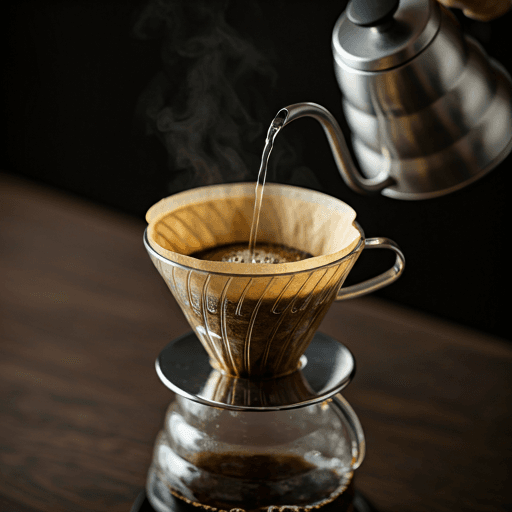
Dandelion coffee is a caffeine-free, coffee-like drink made from roasted, ground dandelion root. Here is what it is, how it tastes, how to brew it, and how it stacks up against chicory and regular coffee.
Explainer
What Is Chicory Coffee?
Chicory coffee is roasted, ground chicory root brewed like coffee: deep, woody, and naturally caffeine-free on its own. Here is what it is, how it tastes, and how it compares to decaf and instant.
Explainer
Coffee Substitutes Explained: The Caffeine-Free Alternatives
Coffee substitutes are caffeine-free drinks made without coffee beans — from roasted chicory and dandelion root to grain, mushroom, and herbal blends. Here's what they are, how they taste, and how they compare to decaf and instant.
Explainer
Iced Cortado vs Cortado: What's the Difference?
Iced cortado vs cortado comes down to temperature: same equal-parts espresso-and-milk idea, but one is warm and lightly steamed while the other is cold over ice. Here is how milk, texture, taste, strength, dilution and caffeine compare, plus which to choose and when.
Explainer
Iced Mocha vs Iced Coffee: What's the Difference?
Iced coffee is chilled brewed coffee over ice; an iced mocha is a cold chocolate-and-milk espresso drink. Here's how the two differ in base, taste, milk, and caffeine — and when to pick each.
Explainer
V60 vs Drip Coffee: What's the Difference?
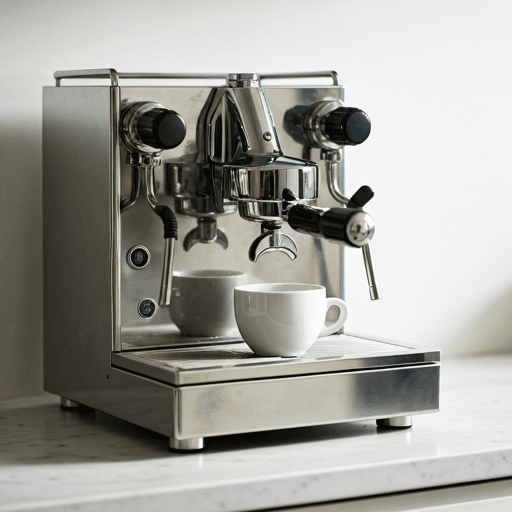
A V60 is a manual cone pour-over you steer by hand; an automatic drip machine pours for you at the push of a button. Here is how the two brews differ on control, clarity, effort and volume — and when to reach for each.
Explainer
Chemex vs Drip Coffee: What's the Difference?
A Chemex is a manual glass pour-over you control by hand; drip coffee usually means the push-button automatic machine. Here's how the filter, clarity, effort and volume compare — and when to choose each.
Explainer
Siphon vs Turkish Coffee: What's the Difference?
A siphon is a filtered vacuum brew that makes a clean, bright cup, while Turkish coffee is an unfiltered fine-grind simmer poured grounds and all. Here is how the two methods differ on grind, mechanism, filtration, body, and when to reach for each.
Explainer
Percolator vs Siphon: What's the Difference?
A percolator recirculates boiling water through the grounds for a bold, roasty pot; a siphon uses vapor and a vacuum for a clean, bright cup. Here is how the two brewers really differ, from grind and filtration to effort and flavor.
Explainer
Percolator vs Turkish Coffee: What's the Difference?
A percolator recirculates hot water through coarse grounds for a filtered pot; Turkish coffee simmers powder-fine grounds and pours them unfiltered. Here is how the two brews compare.
Explainer
White Tea vs Oolong: What's the Difference?
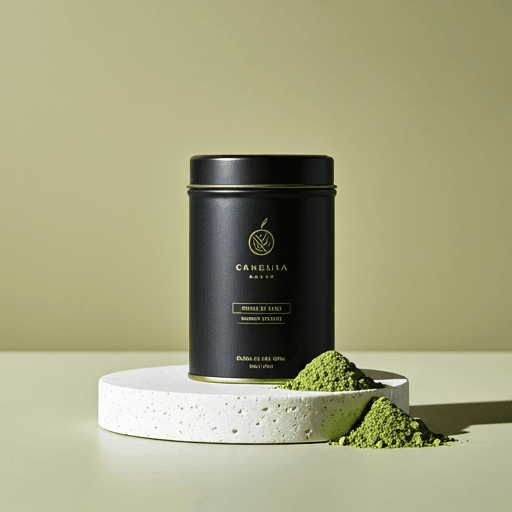
White tea and oolong both come from Camellia sinensis, but they part ways on oxidation. Here is how their processing, flavour, caffeine and brewing really differ.
Explainer
How Much Greek Mountain Tea Per Day? A Gentle Daily Guide
Greek mountain tea is a caffeine-free herbal tisane, so how much per day is mostly about taste. Here is the gentle 1-to-3-cup range, the caffeine caveat for blends, a light brewing note, and how to start and adjust.
Explainer
How Much Liquorice Tea Per Day? A Careful Guide
Plain liquorice tea has no caffeine to limit, but glycyrrhizin in real liquorice root is the reason many keep it to about one modest cup a day. A gentle, hedged guide to how much liquorice tea per day makes sense.
Explainer
How Much Corn Silk Tea Per Day? A Simple Guide
There is no official limit on corn silk tea, but most people keep to about 1 to 3 cups a day and start with one. Here is how much to drink, why some spread the cups out, and how to brew it.
Explainer
How Much Chrysanthemum Tea Per Day? A Gentle Daily Guide
There is no official daily limit for chrysanthemum tea, but most people enjoy about one to three cups a day. Here is a gentle, non-medical guide to finding your own amount of this caffeine-free floral infusion.
Explainer
How Much Jujube Tea Per Day? A Simple, Hedged Guide
There is no official limit on jujube tea, but most people enjoy about 1 to 3 caffeine-free cups a day. Here is how to find your own comfortable daily amount, why sweetness matters more than caffeine, and when to start light.
Explainer
How Much Rosemary Tea Per Day? A Gentle Daily Guide
There is no single daily limit for rosemary tea, but a gentle range of about 1-3 cups a day, starting with one, suits most people. Here is how to find your own amount.
Explainer
How Much Chaga Tea Per Day? A Sensible Guide
There is no official cap, but chaga is a potent brew, so most people keep chaga tea to about one to two gentle cups a day. Here is a hedged, non-medical look at how much to drink, why to go easy, and how to ease in.