
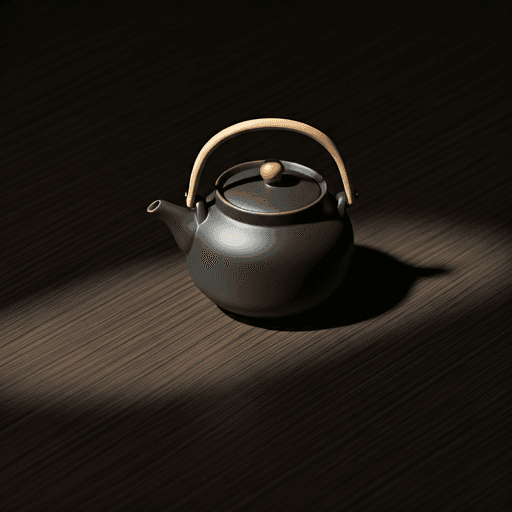
How much chaga tea per day is a question worth asking, because chaga is one of the more potent, earthy herbal infusions you can brew at home. There is no single official limit, but because the drink is so concentrated, many people keep chaga tea to roughly one to two gentle cups a day and often drink it in short stretches rather than all day, every day.
Chaga tea is made by simmering the ground or chunked chaga mushroom (Inonotus obliquus), a knobbly, charcoal-black fungus that grows on birch trees across Siberia, Northern Europe and the birch forests of North America. Brewed low and slow, it turns a deep russet-brown with a mild, faintly vanilla-and-woody, almost coffee-adjacent flavor. This guide is about amounts and rhythm; for the wider story of how people use it, see the benefits and uses of chaga tea.
How much chaga tea per day: the short answer
For most people, about one to two cups a day is a sensible, moderate rhythm, and many treat it as an occasional or short-run ritual rather than a permanent daily fixture. If you are wondering how many cups of chaga tea a day feels reasonable, one or two is the figure you will hear most often, less because of any strict rule and more because the brew is strong and a little goes a long way.
There is no caffeine ceiling to worry about with a pure chaga infusion, since it is naturally caffeine-free. The real reason to go easy is potency, not stimulation. Everyone is different, so treat any chaga tea daily amount as a starting point to adjust rather than a target to hit. Your body size, how you brew, and how strong you like your cup all shift what one to two cups actually means, which is why the guidance stays loose. We are keeping the wellness side of the story out of this piece on purpose; responses vary from person to person, and this is general information, not medical advice.
Why people keep chaga tea modest
Chaga is a dense, concentrated fungal brew. In the birch-forest regions where it grows, it has traditionally been used in moderation rather than downed by the potful, and that habit still shapes how often to drink chaga tea today. A single cup carries plenty of that deep, earthy character; more than a couple quickly becomes a lot of a very strong thing, which is the main reason people rein it in.
Chaga is also naturally fairly high in oxalates, compounds found in many plants and foods. That is one more reason heavy, everyday amounts are worth moderating, particularly for anyone with kidney concerns, who may want to be especially cautious. This is not a claim in either direction about what chaga does; it is simply why a "less is more" default makes sense. If oxalates or kidney health are something you think about, that is a good question for your own healthcare provider rather than a website.
The caffeine caveat: a chaga blend can be different
One thing trips people up: not every product labeled "chaga tea" is pure chaga. Some blends pair the mushroom with real green or black tea leaves, and those leaves come from the tea plant, Camellia sinensis, which means the finished drink would carry caffeine after all. If your chaga tea has a genuine tea base, the caffeine changes the picture, especially later in the day when a stimulant might affect sleep. For a fuller look at what does and does not contain it, see whether chaga tea has caffeine. When in doubt, read the ingredient list before you settle on a daily amount.
Why the pure herbal version has no caffeine ceiling
A pure chaga brew is a tisane, a herbal infusion made from something other than the tea plant. Because it comes from a mushroom rather than Camellia sinensis, there is no caffeine to cap your daily cups. That is the same reason a chamomile or rooibos cup is caffeine-free: no tea leaf, no caffeine. If the whole idea of caffeine-free herbal infusions is new to you, what herbal tea is walks through it in plain terms. So the one-to-two-cup guideline here is about the mushroom's strength, not about a stimulant limit you need to respect.
A light note on brewing chaga tea
Chaga rewards a low-and-slow approach, and how you brew it quietly shapes how much feels like enough. Rather than a fast steep with boiling water, many people simmer chaga chunks or powder gently in just-off-boil water, kept well below a rolling boil, for anywhere from fifteen minutes to an hour or more, until the water turns a rich amber-brown. Chunks are especially forgiving: a single batch of birch-grown pieces can often be re-used across several brews before it gives out, with each round a little lighter than the last. A weaker, re-used brew is an easy way to enjoy a cup without doubling down on strength, which is handy if you like the ritual but want to keep the intensity gentle. Many people also blend chaga with a spoon of cocoa, a slice of ginger, or a little vanilla, which softens the woodsy edge and makes a single, moderate cup feel more like a treat than a tonic.
How to start and adjust your daily amount
If chaga is new to you, start small. Brew one weak cup, using a shorter simmer or a lighter measure of powder, and see how you feel over a day or two before you settle into any routine. From there you can nudge up toward that one-to-two-cup range if it suits you, or keep it as an occasional treat rather than a fixture. Some people prefer a short stretch of daily cups followed by a break, instead of an unbroken everyday habit. There is no prize for drinking more, and a comparable, gentle "how much per day" mindset applies to other mild infusions too, as how much chamomile tea per day lays out for a milder herbal cup.
A quick, hedged guide to daily cups
Use the guide below as a loose orientation, not a rule. Cup sizes and brew strength vary hugely, so read every row in the spirit of "chaga is strong, less is more."
| Rough guide | Cups | What it looks like |
|---|---|---|
| A light start | About 1 weak cup | Ease in and see how you feel before doing more |
| A typical day | 1-2 cups | The moderate rhythm many people settle on |
| More than usual | 3 or more cups | Worth easing back; that is a lot of a potent brew |
None of these are targets. If one weak cup is all you want, that is a perfectly reasonable chaga tea daily amount, and there is no need to work your way up.
Safety notes worth a mention
A few things are worth flagging, kept general. Chaga may interact with blood thinners and with medications for diabetes or blood pressure, and it is simply not right for everyone. If you are pregnant, breastfeeding, taking any medication, managing a health condition (including any kidney concern), or just unsure, the safe move is to ask your own healthcare provider before making chaga a regular habit. They can weigh your situation in a way a general guide cannot. None of this is medical advice, responses vary from person to person, and this article is general information only, meant to help you drink a strong, characterful brew thoughtfully rather than to prescribe anything.