
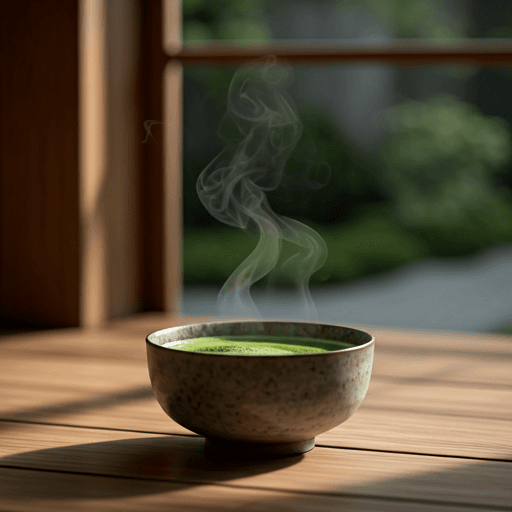
Does chaga tea have caffeine? The short answer is no — a plain cup of chaga tea is naturally caffeine-free. Chaga is not brewed from the tea plant at all. It is a tisane made from chaga, a fungus (Inonotus obliquus) that grows on birch trees, so a straightforward chaga brew carries essentially no caffeine, even though the cup looks dark, earthy and almost coffee-like.
That coffee-ish character trips a lot of people up. A deep brown color and a roasty, woody flavor feel like they should come with a caffeine kick, but the taste and the stimulant are two different things. Below is why chaga is caffeine-free, where the confusion with mushroom coffee creeps in, and what to expect from the cup.
Does chaga tea have caffeine? The short answer
Yes — on its own, chaga tea is caffeine free. Caffeine in your cup almost always traces back to a specific list of plants: the tea plant (Camellia sinensis), coffee, cacao, yerba mate, guarana and a few others. Chaga is none of these. It is a mushroom-style fungus, which puts chaga tea in the same broad family as other herbal infusions rather than true tea. If you want the full picture of what counts as an herbal tea versus a true tea, we cover that in our guide to what herbal tea is.
Because chaga contains no natural caffeine to begin with, there is nothing to steep out. A long simmer makes the brew darker and stronger in flavor, but it does not create caffeine that was never there. So chaga mushroom tea caffeine is, for a plain brew, close to zero.
Why there is no caffeine in chaga tea, even though it tastes dark
The reason comes down to botany. Caffeine is a compound that certain plants produce naturally, and the classic caffeinated cup — black, green, white, oolong — all comes from the leaves of Camellia sinensis. Chaga does not grow leaves and is not that plant; it is a fungus harvested from birch bark. No Camellia sinensis, no built-in caffeine. For a wider look at which brews carry it and which do not, see our explainer on whether tea contains caffeine.
So why does chaga taste so much like a strong, dark drink? The color and body come from the fungus itself — its pigments and earthy, woody compounds dissolve into hot water and give the brew a near-espresso hue and a faintly bitter, roasty edge. That is flavor and color, not a stimulant. It is the same reason a cup of roasted grain drink or a dark rooibos can look bold while carrying no caffeine at all. The strength you taste is not a measure of caffeine in chaga tea.
It is worth stressing that caffeine-free is not the same as decaffeinated. Decaf coffee or tea starts with caffeine that is then removed, often leaving a small trace behind; chaga never had any to remove, so there is no residual caffeine at all.
Chaga tea vs mushroom coffee: always read the label
Here is where the caffeine-free rule can quietly break. Chaga tea and mushroom coffee are not the same product. A pure chaga infusion — chunks or powder simmered in water — stays caffeine-free. But many blends sold as mushroom coffee or a mushroom coffee alternative combine chaga (or other mushrooms like lion's mane and reishi) with something that does carry caffeine: real ground coffee, instant coffee, green or black tea, yerba mate or guarana.
If your chaga product is blended with any of those, the cup will carry caffeine — how much depends on how much real coffee or tea is in the mix, so treat any number as a rough estimate and check the ingredient list. We dig into that question separately in our guide to does mushroom coffee have caffeine. The simple habit: read the label. If it lists only chaga (and maybe spices), it is caffeine-free; if it lists coffee, tea, mate or guarana, it is not.
A quick caffeine comparison
This rough guide shows how a plain chaga brew compares with a blended mushroom coffee and an ordinary cup of green tea. Numbers vary widely by recipe, brand and how strong you brew, so read them as ballpark ranges, not exact figures.
| Drink | Typical caffeine |
|---|---|
| Plain chaga herbal tea (chaga only) | Essentially none — caffeine-free |
| Mushroom coffee blend that includes real coffee | Some caffeine — often a fraction of a normal coffee, but it varies; check the label |
| Green tea (from Camellia sinensis) | Roughly 20-45 mg per cup, depending on the brew |
The takeaway: the only chaga cup with caffeine is one that has had a caffeinated ingredient added to it.
What chaga tea is actually like
Flavor-wise, chaga tea is a deep, woody, earthy brew. Simmered from chunks or a fine powder, it turns a rich brown and tastes mild and rounded, with a faint vanilla sweetness and a gentle bitterness some people compare to a light, mellow coffee. It has none of the floral or grassy notes you get from green or herbal-leaf teas; it is more like a warm, savory forest-floor cup. Many people drink it plain, though a little cinnamon, vanilla or a splash of milk is common.
Chaga is traditionally simmered rather than quickly steeped — a low, slow brew of 10 minutes or more pulls more color and body out of the tough fungus. That long, dark extraction is another reason it reads as strong, but again, strength of flavor is not caffeine. We keep this page focused on the caffeine question and leave the wider wellness discussion to our overview of chaga tea.
You will find chaga sold a few ways — rough chunks or nuggets of the raw fungus, a ground powder, ready-to-brew tea bags, and concentrated extracts stirred into hot water. None of these formats adds caffeine on its own; a chaga tea bag is still a caffeine-free tisane, the same way a plain rooibos or peppermint bag is. The only time the format matters for caffeine is when a product deliberately blends chaga with coffee or true tea, which loops back to reading the label.
Who chooses chaga tea, and when
Because it is caffeine-free, chaga tea tends to appeal to two kinds of drinkers. First, people looking for a coffee-like cup without the caffeine — the dark color and roasty body scratch a similar itch to a mug of coffee, which makes it a popular afternoon or evening swap. Second, anyone who simply enjoys earthy, savory infusions and wants something warming that will not interfere with sleep. Since a plain cup carries no caffeine, chaga is one of the drinks people reach for later in the day, when a real coffee or a strong tea might keep them up. Everyone's sensitivity to caffeine differs, so if you are cutting back, the label is still your best guide.
A light note on safety
This is general information, not medical advice, and responses vary from person to person. Caffeine may not be the only thing worth thinking about with chaga: it may interact with certain medications and is not considered suitable for everyone. If you are pregnant, breastfeeding, taking any medication, or simply unsure whether chaga is right for you, it is best to check with your own healthcare provider before making it a regular drink. For the caffeine question itself, though, the answer stays simple: a plain cup of chaga tea does not contain caffeine.