
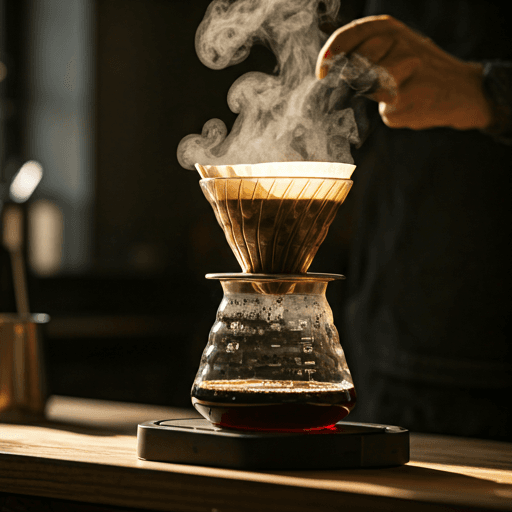
Does mushroom coffee have caffeine? Usually, yes. Most mushroom coffee blends real roasted coffee with caffeine-free mushroom extracts, so the finished cup still contains caffeine — just typically less than a standard coffee, because part of the bean has been swapped out for mushroom powder. As a very rough rule of thumb, a cup often lands around half the caffeine of a normal coffee, though the exact figure is entirely brand-dependent, so it always pays to read the label before you assume anything.
Does mushroom coffee have caffeine? The short answer
If a product is labelled "mushroom coffee" and lists coffee (or instant coffee) among its ingredients, it almost certainly contains caffeine. The clue is in the word coffee: these blends are part real coffee and part mushroom, so the caffeine arrives with the bean. What changes is the amount. Because the recipe dilutes ground or instant coffee with caffeine-free mushroom powder, a typical serving usually delivers less caffeine than the same-size cup of ordinary coffee.
So the common question "is mushroom coffee caffeine free?" is generally a no for the everyday blends — but there is a real caffeine-free exception, which we cover below. For the full story of what these drinks actually are and how they are made, see our explainer on what mushroom coffee is.
How much caffeine is in mushroom coffee?
Mushroom coffee caffeine content varies a lot, but a broad, hedged ballpark for a blended cup is somewhere around 40 to 60 mg — very roughly half of a regular cup's 80 to 100 mg (and plenty of regular coffees run higher still). Treat those as approximate figures rather than promises. The real number depends on the coffee-to-mushroom ratio, whether the base is a light or a strong instant, how heavy your scoop is, and exactly how the brand formulates the product. Some ready-to-drink or single-serve mushroom coffees are milder still, while coffee-forward blends can edge closer to a normal cup. When it matters, the label is the only reliable source of truth.
| Drink (one cup, rough guide) | Approximate caffeine |
|---|---|
| Mushroom coffee (blend with real coffee) | ~40-60 mg (very roughly half a regular cup) |
| Regular brewed coffee | ~80-100 mg (often more) |
| Pure mushroom "coffee alternative" (no beans) | ~0 mg (caffeine-free) |
| Decaf coffee | ~2-5 mg (trace only) |
Every number above is a rough, general estimate rather than a guarantee — brand, batch and cup size all shift the total. If you like to keep an eye on your intake, our overview of how caffeine works puts these amounts in useful context.
What pushes the caffeine up or down
- The coffee-to-mushroom ratio — more bean per scoop means more caffeine.
- The coffee base — a robust instant or a dark roast can carry more caffeine than a light one.
- How much you use — a heaped spoon or a double sachet lifts the total.
- Cup size — a big mug simply holds more of everything.
- The specific blend — every brand builds its recipe differently, so two products both called "mushroom coffee" can differ widely.
Why mushroom coffee usually has less caffeine
The reason is simple arithmetic: there is less coffee per cup. A mushroom coffee blend replaces some of the ground or instant coffee with mushroom extracts — commonly lion's mane, chaga, reishi or cordyceps — which contribute earthy flavour and body but no caffeine of their own. So for a given scoop, you are brewing fewer coffee solids and more mushroom, and the caffeine tracks the coffee. Some brands lean heavily on the mushrooms for a noticeably lighter cup; others keep the coffee ratio high and land much closer to a normal brew. That spread is precisely why a single, tidy "how much caffeine in mushroom coffee" number simply does not exist.
The exception: pure mushroom "coffee alternatives"
Not everything marketed near the coffee aisle contains beans. A growing category of pure mushroom "coffee alternatives" is made entirely from roasted mushrooms — sometimes blended with chicory, dandelion or roasted grain — with no coffee bean at all. Those are effectively caffeine-free. The label usually makes it obvious: if there is no coffee in the ingredient list, there is essentially no caffeine to worry about. This is the one case where "is mushroom coffee caffeine free?" genuinely flips to yes, so if a fully caffeine-free cup is the goal, that is the style to look for.
Do the mushrooms themselves add caffeine?
No. The functional mushrooms used in these blends — lion's mane, chaga, reishi, cordyceps and the like — are naturally caffeine-free. They are fungi, not stimulant plants, so any caffeine in your cup comes entirely from the coffee portion and never from the mushrooms. That is worth remembering in both directions: adding more mushroom extract does not add caffeine, and a spoon of mushroom powder stirred into hot water on its own carries none at all. If you are curious about the most popular single variety, our guide to lion's mane mushroom coffee looks at that specific blend in more depth.
Mushroom coffee vs regular coffee caffeine, decaf and espresso
It helps to place mushroom coffee on a spectrum. Compared with regular coffee, a blended mushroom cup usually carries less caffeine — often in the neighbourhood of half, though that is only a rough guide. A single espresso shot packs a concentrated dose into a tiny volume, sometimes landing in a similar rough range to a blended mushroom cup despite looking much smaller. A mug of drip generally sits higher, and decaf sits far below with only a trace. In practice a blended mushroom coffee tends to fall between decaf and a full cup of drip. None of these placements are exact — they simply show where each drink usually lands.
Who might choose a lower-caffeine mushroom coffee
People often reach for a blended mushroom coffee when they want a coffee-like ritual with a gentler caffeine hit — perhaps a second or third cup later in the day, or simply a lighter morning routine. Because the caffeine is real but reduced, it can sit comfortably between full-strength coffee and decaf. Whether that suits you comes down to your own caffeine sensitivity and the rest of the day's intake; there is no universal answer, and this is a matter of preference rather than a health prescription. If you want to compare formats and flavours, our guide to mushroom coffee brands maps out the landscape.
A light note on wellness
Mushroom coffee is marketed for a range of wellness reasons, and many people try it hoping for a smoother, lower-caffeine alternative to their usual cup. Responses vary from person to person, and this is not medical advice. If you are pregnant or breastfeeding, sensitive to caffeine, taking medication, or managing any health condition, it is worth asking your own healthcare provider about caffeine and about the specific mushrooms in a blend before making it a daily habit. Keep any expectations light and general, and let the ingredient list — not the marketing copy — tell you what is actually in the cup.
The bottom line
Most mushroom coffee does have caffeine, because most of it is genuinely part coffee — just usually less than a standard cup, often in the rough neighbourhood of half, since caffeine-free mushroom extracts take the place of some of the bean. The clear exception is a pure mushroom "coffee alternative" with no coffee at all, which is essentially caffeine-free. When the precise number matters to you, the only dependable move is to check the label, because mushroom coffee vs regular coffee caffeine really does come down to how each individual brand builds its blend.