
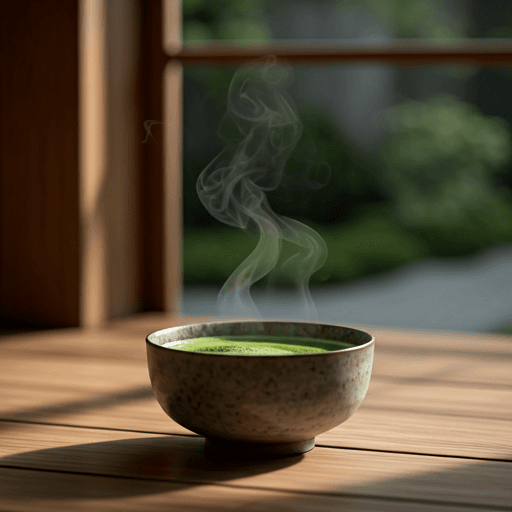
So how much Greek mountain tea per day is reasonable? There is no single official limit, but people who enjoy this soft, earthy, lightly floral and faintly citrusy golden infusion commonly drink about 1 to 3 cups a day, often with a little honey and lemon. Because plain Greek mountain tea is a caffeine-free herbal tisane, there is no caffeine ceiling to keep an eye on, so how much you sip is mostly a matter of taste, and it is gentle enough to be an everyday cup.
Greek mountain tea is brewed from the dried flowers, leaves and stems of plants in the Sideritis family, which grow wild on the sunny slopes of Greece and other Mediterranean mountains. You may also see it called shepherd's tea or ironwort, names that hint at its long history as a rustic, hillside brew. This guide sticks to the practical question of daily amount and rhythm; for the flavour, character and traditions behind the cup, the deeper story lives in greek mountain tea benefits.
How much Greek mountain tea per day? The short answer
A common, gentle range is about 1 to 3 cups a day. That is not a hard rule so much as the amount most regular drinkers naturally settle into. If you are wondering how many cups of Greek mountain tea a day feels right, one relaxed cup in the morning or evening is plenty for many people, while others happily reach for two or three spread across the day.
Because the plain infusion carries no caffeine, there is no strict cap the way there is with strong coffee or a mug of black tea. The Greek mountain tea daily amount you choose really comes down to how much you enjoy the taste and how much warm liquid you feel like drinking, which naturally shifts with the season and the weather. As with any single food or drink, a bit of variety is sensible, and responses vary from person to person, so treat the range as a friendly starting point rather than a fixed target.
Why it suits any time of day
One of the nicest things about this tisane is that its mild, mellow character makes it easy to drink whenever you like. Plenty of people reach for it as a calm evening cup precisely because it is caffeine-free, and it works just as happily as a daytime brew alongside meals or during a quiet afternoon. This is a taste and comfort observation rather than a health claim; how a warm, soothing cup feels late in the day is personal, and this is not medical advice.
If you like the idea of a soft herbal cup you can sip from morning to night without a second thought, Greek mountain tea fills that role comfortably, much like other everyday tisanes. For a sense of how a similarly mild herbal is usually paced, it is worth comparing notes with how much chamomile tea per day.
The caffeine caveat: pure Sideritis versus blends
Here is the one thing worth checking before you decide how often to drink Greek mountain tea. Traditional Greek mountain tea is pure Sideritis, with nothing from the tea plant in it, which is why it is generally treated as caffeine-free. Some modern blends, though, mix the mountain herb with real green or black tea for extra colour or briskness, and any blend that includes true tea leaves would carry some caffeine.
If caffeine matters to you, take a quick glance at the ingredients: a pure herbal pack should list only the mountain herb, and perhaps a few other botanicals, while a blend will name green or black tea outright. For a fuller look at what is and is not in the cup, see does Greek mountain tea have caffeine. Any figure for a blended product varies by recipe and steep time, so it is always better to read the label than to assume.
Why the pure herbal version has no caffeine cap
Plain Greek mountain tea is a herbal infusion, or tisane, made from a wild mountain plant rather than from Camellia sinensis, the evergreen shrub that gives us green, black, white and oolong tea. Because it does not come from that plant, the pure version naturally contains no caffeine, which is why there is no caffeine-based limit on how much you can enjoy in a day.
That is the same reason so many botanical cups can be sipped freely: they sit outside the caffeine question entirely, so the pacing is guided by flavour and mood instead of a stimulant. If the whole category is new to you, what is herbal tea explains how tisanes differ from true tea and why their daily rhythm is set by taste rather than by caffeine.
A light brewing note
Brewing is simple and forgiving. Add a few dried stems and flower heads to a cup or a small pot, pour over water that has just come off the boil, and let it steep for several minutes; some people gently simmer the stems in a saucepan for 5 to 10 minutes instead, which is a traditional touch. A longer steep or simmer draws out more of the deep, earthy, honeyed flavour, while a shorter one keeps things light and floral. As a loose starting point, a small handful of dried stems per pot is plenty, and you can scale up or down to taste. Straining out the woody stems before you drink makes for a smoother cup, and a slice of lemon or a spoon of honey is the classic finish.
How to start and adjust
If Greek mountain tea is new to you, start small. Brew a single cup, notice how you like the strength and how it sits with you, and build from there over a few days rather than all at once. There is no need to rush to three cups; let your taste lead the way. The rough guide below is exactly that, a guide, and it varies from one person to the next.
| Rough guide | Cups per day | Notes |
|---|---|---|
| A light start | About 1 cup | A gentle way to get to know the flavour; varies by person. |
| A typical day | About 2 cups | A comfortable everyday rhythm for many regular drinkers. |
| More than usual | About 3 cups | Fine for many as an all-day sipper, since the plain cup is caffeine-free; still, listen to your own body. |
Going beyond three cups is not forbidden, but there is little reason to push it. At that point you are simply drinking a lot of any one beverage, and it is sensible to keep some variety in your day and stay generally hydrated with plain water too. If you notice any digestive upset or you simply feel like you have had enough, ease back a cup; your own comfort is the most reliable guide to the right Greek mountain tea daily amount.
A gentle safety note
For most people, a daily cup or two of pure Greek mountain tea is simply a pleasant, caffeine-free ritual. That said, if you are pregnant or breastfeeding, or you take medication of any kind, it is a good idea to ask your own healthcare provider before making any herbal tea a daily habit. The same goes if you have allergies or a known sensitivity to Mediterranean plants such as those in the mint or sage families. This article is general information, responses vary from person to person, and it is not medical advice.
With all that in mind, the takeaway is an easy one: there is no strict limit on plain Greek mountain tea, about 1 to 3 cups a day suits most people, and the best amount is simply the one you genuinely enjoy.