
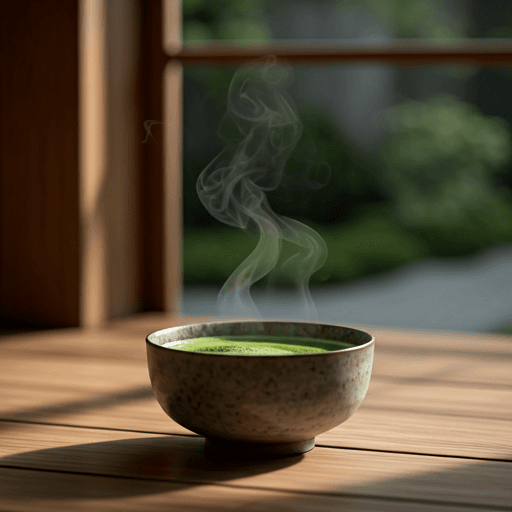
Greek mountain tea is a caffeine-free herbal infusion made from the dried flowers, leaves and stems of Sideritis — the ironwort plants that grow wild on Greek and Mediterranean mountainsides. Greeks and their Balkan neighbors have sipped it for generations as an everyday wellness tea, known as tsai tou vounou ("tea of the mountain") or shepherd's tea. It is mild, golden and naturally free of caffeine, so you can enjoy it any time — including the evening.
This guide explains what the plant is, what the drink tastes like, its traditional uses and what early research suggests, plus a simple method for brewing the whole stalk at home. It is background and cultural context, not medical advice.
What is Greek mountain tea?
Greek mountain tea is an herbal infusion — a herbal tea rather than a "true" tea, because it is not made from the Camellia sinensis leaf that gives us green, black and oolong. Instead it comes from Sideritis, a genus of hardy little flowering herbs (commonly called ironwort) that thrive on rocky slopes and high mountainsides around the Mediterranean, especially in Greece, the Balkans and parts of the Iberian Peninsula. Different species grow in different ranges, so you will see names like Sideritis scardica, Sideritis raeseri and Sideritis syriaca on the label — the last is the Cretan "malotira" prized on that island.
The names tell the story. Tsai tou vounou literally means "tea of the mountain," and "shepherd's tea" nods to the herders who once brewed the plant they gathered on high pastures. You may also see it sold simply as sideritis tea, ironwort tea or malotira. Whatever the label, it refers to the same idea: a fragrant, sun-dried mountain herb steeped in hot water.
One thing that surprises newcomers is how it is sold and used. Unlike a fine loose leaf, the whole dried stalk goes into the pot — flowers, leaves and woody stems and all. Traditionally you snap a few stems into the water rather than measuring spoons of leaf.
What it tastes like
Greek mountain tea is gentle and easy to like. The flavor is mild and earthy, with a soft floral-herbal sweetness and a faint hint of citrus or sage in some species. It brews to a clear golden color and has a light, clean body — nothing like the tannic grip of black tea. Because there is no caffeine, there is no bitterness or jitter, which is a big part of why it is a popular evening drink.
If you enjoy other calming, caffeine-free herbals such as chamomile, you will find Greek mountain tea sits in a similar comforting register — a touch more savory and grassy, a little less apple-sweet. A squeeze of lemon brightens it and a spoon of honey rounds it out.
Greek mountain tea benefits: tradition and research
The Greek mountain tea benefits people talk about are mostly rooted in long tradition, with a growing but still early body of research alongside. Here is an honest picture, framed as tradition and possibility rather than proven cures.
Traditional uses
- Colds and respiratory comfort. A warm mug of shepherd's tea has long been a go-to at the first sign of a cold or a scratchy throat — soothing and hydrating, especially with honey and lemon.
- Digestion. It is traditionally sipped after meals as a gentle, settling drink.
- Relaxation and winding down. Being caffeine-free, it is a classic evening or bedtime cup meant to help you unwind.
What research suggests
Laboratory analyses show that Sideritis is rich in plant polyphenols — flavonoids such as apigenin, phenolic acids including chlorogenic and ferulic acid, and aromatic essential oils — which act as natural antioxidants. One study even reported that a mountain-tea infusion could switch on cellular antioxidant defenses about as effectively as regular Camellia sinensis tea. That puts it in the same broad family as many other anti-inflammatory teas.
Beyond antioxidants, some early studies — often using concentrated Sideritis scardica extracts rather than a home-brewed cup — have explored possible effects on inflammation, mood, attention and cerebral blood flow, and preclinical (cell and animal) work has looked at how the plant interacts with amyloid-beta, a protein linked to Alzheimer's disease. This is genuinely interesting, but it is early, small in scale, and mostly about standardized extracts, so it is not the same as a proven medical benefit. Treat it as "early research suggests it may," not "it will," and never use it in place of care your doctor recommends.
Greek mountain tea at a glance
| Aspect | Greek mountain tea |
|---|---|
| Plant | Sideritis (ironwort), a hardy Mediterranean mountain herb |
| Also known as | Tsai tou vounou, shepherd's tea, sideritis tea, ironwort tea, malotira |
| Part used | The whole dried stalk — flowers, leaves and stems |
| Caffeine | None (naturally caffeine-free) |
| Flavor | Mild, earthy, gently sweet and floral; clear golden cup |
| Key compounds | Polyphenols — flavonoids (apigenin), phenolic acids, essential oils |
| Brew method | Simmer or steep the stalks, covered, about 5-10 minutes |
| Serve | Hot or iced; plain or with honey and/or lemon |
| Traditionally sipped for | Colds and respiratory comfort, digestion, relaxation |
| Best time | Any time, including the evening |
How to brew Greek mountain tea
There is no single "correct" recipe — families brew it by eye. Because you use the whole stalk, many people gently simmer the stems for a minute or two to draw out the flavor, then let the pot steep. Keeping the lid on matters: it traps the aromatic oils that would otherwise escape as steam. Here is a reliable method for two cups.
- Measure the stalks. Use a few dried stems for a small pot (roughly 1-2 stems, or a scant tablespoon of flowers, per mug). Break or snap them so the flowers, leaves and stems all go in.
- Heat the water. Bring about 2 cups (500 ml) of water to a boil, or just under, around 200-212°F (90-100°C).
- Simmer, then steep. Add the stalks, let them simmer gently for a minute or two if you like, then take the pot off the heat, cover it and steep for 5-10 minutes. Longer steeping gives a deeper golden color and a stronger cup.
- Strain. Pour through a strainer into your cups to catch the stems.
- Finish to taste. Add honey and/or a squeeze of lemon if you like. A little lemon brightens the flavor beautifully.
Hot or iced
Served hot, it is the classic cozy mug. For an iced version, brew it a little stronger (or let it steep longer), chill it, and pour over ice with lemon and a touch of honey — a refreshing caffeine-free option for warm afternoons. You can keep a jug in the fridge for a day or two.
How to choose and store it
Because the whole plant is used, quality is easy to judge by eye and nose. Look for pale greeny-gold stalks that still carry their fuzzy flower heads and a fresh, herbaceous aroma; dusty, brown or scentless bundles have lost their oils. A species name on the label (such as Sideritis scardica or Sideritis raeseri) is a good sign, as is wild-harvested or reputably farmed sourcing. Store the dried stalks in an airtight container away from light, heat and moisture, and they will keep their flavor for a year or more.
Things to keep in mind
Greek mountain tea is a gentle everyday drink for most people, but a few sensible notes apply, as with any herbal tea:
- Herbal infusions can interact with medications or health conditions. If you are pregnant or breastfeeding, taking medication, or managing a health condition, check with a doctor or pharmacist before making it a daily habit.
- Enjoy it as a pleasant, hydrating drink — not as a treatment. See a healthcare professional for symptoms that are severe or that do not clear up.
- If you like to sweeten it with honey, remember that honey is not suitable for infants under one year old.
A cup with a view
Greek mountain tea is one of those drinks that carries a whole landscape in the cup — sun-baked slopes, wild ironwort and a slow Mediterranean pace. It is mild, caffeine-free and endlessly easy to sip, whether you want a calming evening mug or a golden glass over ice. For a very different but equally Greek ritual, read our Greek coffee guide — the strong, briki-brewed counterpart to this gentle mountain herb.