
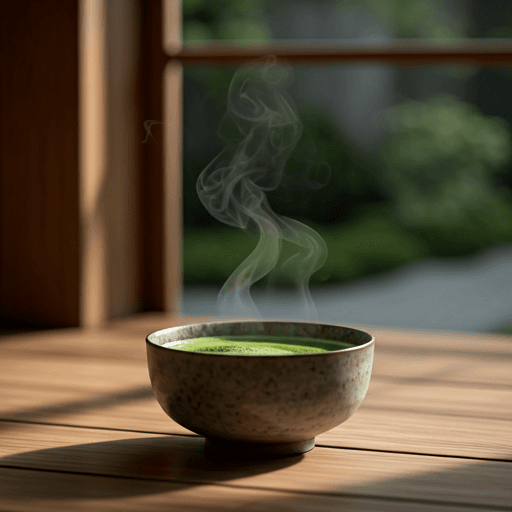
Short version: no. If you are wondering does Greek mountain tea have caffeine, the honest answer is that a cup of plain, traditional Greek mountain tea is naturally caffeine-free. It is brewed from a wild mountain herb, not from the caffeinated tea bush, so a straightforward infusion of it contains essentially no caffeine at all.
That makes it a favourite for anyone who loves a warm, comforting cup but wants to skip the buzz, especially later in the day. Below we explain why it carries no caffeine, the one situation where a drink sold as "mountain tea" could still contain some, and what the infusion is actually like to drink.
Does Greek mountain tea have caffeine? The short answer
Greek mountain tea is not really "tea" in the botanical sense. Real tea, meaning black, green, white, oolong and pu-erh, all comes from the leaves of a single plant, Camellia sinensis, which naturally makes caffeine. Greek mountain tea instead comes from Sideritis, a hardy wild herb that grows across the rocky slopes and high altitudes of Greece and the wider Mediterranean. Because Sideritis is a completely different plant, it never produces caffeine the way the tea bush does.
Drinks like this, made by steeping herbs, flowers, roots or leaves that are not Camellia sinensis, are called herbal teas, or tisanes. If you want the full picture of what that category covers, see our guide to what herbal tea is. The key point for caffeine is simple: because Greek mountain tea is a herbal infusion rather than a true tea, it is naturally caffeine-free. So if someone asks is Greek mountain tea caffeine free, you can comfortably say that a pure cup is.
Why mountain herbs and other herbal teas are caffeine-free
Caffeine is a compound that only certain plants make on their own, and the tea bush and the coffee plant are the famous examples. When you brew their leaves or beans, that caffeine dissolves into your cup. Herbs like Sideritis, chamomile, peppermint, rooibos and hibiscus simply do not manufacture caffeine in the first place, so there is nothing for the hot water to pull out.
This is why the whole herbal-tea family is generally caffeine-free by nature, rather than being stripped of caffeine in a factory. There is a genuine difference between the two. Our overview of caffeine-free tea walks through naturally caffeine-free herbs versus decaffeinated true teas, which can still hold a small trace of caffeine even after processing. And if you are curious about how much caffeine actually sits in an ordinary cup from the tea plant, our explainer on whether tea contains caffeine lays out the typical numbers.
Put simply, the sideritis tea caffeine content is essentially zero, because the plant never made any to begin with. That is a different thing from a decaf tea, which starts life caffeinated and then has most of it removed.
How much caffeine in Greek mountain tea?
For a plain infusion, the amount of caffeine in Greek mountain tea is best described as negligible, close enough to zero that most people treat it as none. There is no meaningful stimulant dose to speak of, which is exactly why the drink has such a calm, easygoing reputation. Here is how it compares with a couple of reference points, using rough, typical figures that vary by brand, brew strength and steeping time:
| Type of tea | Typical caffeine per cup |
|---|---|
| Greek mountain tea (pure Sideritis) | Essentially none, naturally caffeine-free |
| Mountain-tea blend that includes real green or black tea | Contains caffeine from the added tea leaves |
| Green tea (from Camellia sinensis) | Roughly 20 to 45 mg, varies widely |
Treat those numbers as a ballpark rather than a precise measurement. Caffeine content shifts with how the leaf was grown, how finely it was cut, how much you use and how long you steep it, so any figure is only ever an estimate.
The one caveat: blends with real tea
Here is the situation to watch for. Pure, traditional Greek mountain tea is entirely Sideritis and stays caffeine-free. But some modern products sold as "mountain tea" or as wellness blends mix the dried herb with real green tea, black tea, or other caffeinated ingredients such as yerba mate. If a blend includes any of those, then that blend would carry caffeine, coming from the added leaves rather than from the mountain herb itself.
So the caffeine-free promise really applies to the pure herb. If you are caffeine-sensitive, or brewing a cup at night, it is worth a quick glance at the ingredient list. A tin that lists only Sideritis, which you may also see labelled shepherd's tea or ironwort, should be caffeine-free. Anything that lists green tea, black tea, mate or a vague "natural tea" alongside the herb likely is not, and is better treated as a caffeinated drink.
What Greek mountain tea is actually like
Beyond the caffeine question, people love Greek mountain tea for its gentle character. Brewed from the dried flowers, leaves and stems of the plant, it steeps into a soft golden infusion with an earthy, lightly floral aroma and a faint hint of citrus. It is mild and a touch sweet on its own, and it is very often served with a spoon of honey and a slice of lemon, which is the classic Mediterranean way to take it.
It has a long history as an everyday comfort drink in the mountain villages of Greece, where the herb is gathered from wild hillsides and dried for the colder months. People reach for it simply because it tastes soothing and warming in the hand. If you would like to read more about how it is traditionally enjoyed and the qualities people associate with the herb, see our companion piece on Greek mountain tea.
Who drinks it, and when
Because it has no caffeine to speak of, Greek mountain tea is an easy pick for the times when coffee or ordinary tea would keep you awake. Many people make it an evening ritual, a warm and quiet cup after dinner or before bed, when a caffeinated drink would be unwelcome.
It is equally at home as an all-day sipper for anyone cutting back on caffeine, or for those who just prefer a milder, herb-forward cup over something stronger. People who avoid stimulants often drink it for the same reason. Serve it hot in cooler weather, or let it cool and pour it over ice with a wedge of lemon when the days warm up. However you take it, the caffeine-free base means you are not committing to a late-night jolt.
A light note on safety
Greek mountain tea is a gentle everyday herbal drink for most people, and this article is general information rather than health advice. Herbs can affect individuals differently, and responses vary from one person to the next. If you are pregnant or breastfeeding, taking any medication, managing a health condition, or simply unsure whether it suits you, it is best to check with your own doctor or pharmacist before making it a regular habit. When in doubt, your healthcare provider can give guidance that fits your own circumstances.
The bottom line stays simple. Plain Greek mountain tea is a naturally caffeine-free herbal infusion, and that easygoing, no-buzz quality is a big part of its enduring appeal.