
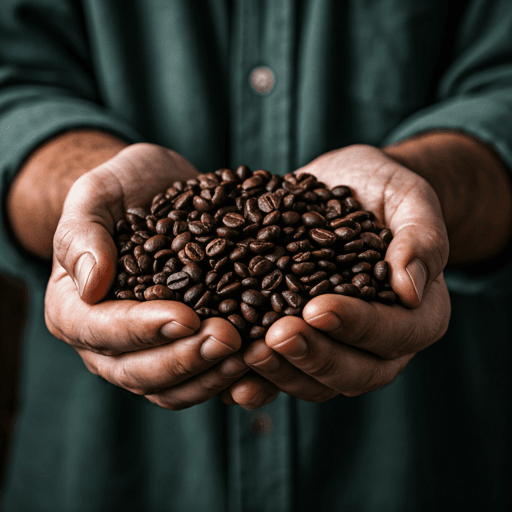
So what is blonde roast coffee? In short, blonde roast is a light roast — coffee beans roasted for a shorter time and to a lower temperature than medium or dark roasts. The beans come out of the roaster at or just after the moment roasters call "first crack," so they stay pale to light brown, dry on the surface with no oily sheen, and hold on to more of the bean's original bright, mild, slightly acidic character. The name "blonde" is largely a marketing term for a light roast, popularized by big coffee chains.
What is blonde roast coffee? The short answer
Blonde roast coffee is simply light-roasted coffee. Green coffee beans are heated in a roaster, and the longer and hotter they roast, the darker they get. A blonde roast is stopped early — around first crack, the point where the beans audibly pop and expand — which keeps them light brown and dry-surfaced. Because they spend less time developing, they taste milder, brighter, and a little more acidic than a medium or dark roast, with more of the flavors that came from the bean itself rather than from the heat of roasting.
There is no formal, fixed temperature that turns a coffee "blonde." It is a friendly name coffee brands use so a light roast sounds approachable rather than sour or under-done. If you want the full ladder of roast stages and exactly what changes at each step, that is a bigger story — we walk through it in our guide to coffee roast levels explained.
Why is it called "blonde"?
The word simply describes the color: a light roast is pale, tan or light brown compared with the deep, near-black look of a dark roast. Large coffee chains adopted "blonde" as a menu-friendly label because words like "light" or "under-developed" can sound weak, and "mild" can sound boring. "Blonde" makes a gentle, bright roast feel like a deliberate style rather than a coffee that simply was not roasted long enough. Other roasters may call much the same thing a "light roast," a "cinnamon roast," or a "half city" roast.
Where blonde roast sits on the roast spectrum
Roasting runs along a spectrum: light (blonde) then medium then dark, with both roast time and temperature rising as you move toward the dark end. A blonde roast is pulled earliest and stays coolest; a medium roast goes a bit further for a rounder, more balanced cup; a dark roast is taken furthest, until the beans turn deep brown, often shiny with surface oils, and take on bold, roasty, sometimes smoky flavors. For a side-by-side look at the two ends, see light roast vs dark roast, and for the bold end specifically, what is dark roast coffee.
The milestone that matters for a blonde roast is that first crack: an audible popping as steam and gases expand inside the bean. Blonde roasts are finished at or just past that stage. Push a batch much further and you eventually reach "second crack," which is the territory of darker roasts. So the difference between blonde, medium and dark is really a matter of how long the beans stay in after that first pop.
How blonde roast coffee tastes
Blonde roast coffee tends to taste lighter in body and brighter in acidity than darker roasts. Because the beans are roasted gently, more of their origin character survives — you may notice fruit, floral, citrus, or tea-like notes, along with a mellow, smooth finish. What you generally get less of is the heavy, bitter, chocolatey or smoky flavor people associate with dark roasts. Tasting is personal, though, and a lot depends on the beans and how you brew them, so treat these as tendencies rather than guarantees.
Some drinkers describe blonde roast as "sweeter" or "cleaner"; others find light roasts a touch sharp or sour if they are brewed too quickly or with water that is not hot enough. That is normal, and it is not a fault in the coffee — dialing in your grind and brew time makes a big difference to how balanced a light roast tastes in the cup.
Is blonde roast stronger? The caffeine question
One of the most common questions is whether blonde roast is stronger — and the honest answer is that it depends what you mean by "strong." If you mean caffeine, there is a small, often-exaggerated difference. Beans lose moisture and mass as they roast, so darker beans end up a bit lighter and less dense. That means when you measure coffee by scoop or volume, a lighter roast like blonde can edge out slightly more caffeine, because you are packing in more actual bean per scoop.
Measured by weight, though, the difference between roasts is small — light and dark roasts land quite close together. So it is fair to say blonde roast can be marginally higher in caffeine by the scoop, but not that "blonde has way more caffeine." Its brighter, more acidic flavor can also make it seem punchier even when the caffeine is similar. These caffeine figures are broad tendencies, not precise promises. Caffeine sensitivity varies a lot from person to person, and this is not medical advice — if caffeine affects your sleep or you are managing your intake, it is worth checking with your own healthcare provider.
Blonde roast vs blonde espresso
It is easy to mix these up, but they are not the same thing. Blonde roast is the light-roast bean we have been describing, and it can be brewed any way you like — filter, pour-over, or espresso. "Blonde espresso," on the other hand, is a specific, lighter espresso built on a light-roast blend, offered as a menu option by some coffee chains for a smoother, mellower shot. In other words, blonde roast is the coffee; blonde espresso is one particular drink made from a light roast. We keep the drink itself in its own guide: blonde espresso explained.
How to brew blonde roast coffee
Light roasts tend to shine in methods that highlight clarity and origin flavor, so blonde roast often does well as pour-over or filter coffee, and it pairs beautifully with single-origin beans where those fruit and floral notes can stand out. Because lighter beans are denser and can be a little harder to extract, many people grind slightly finer, use water near the hotter end of the recommended brewing range, and give it enough contact time to pull out sweetness rather than sourness.
Blonde roast can absolutely be used for espresso too, though some drinkers find darker roasts more forgiving when they want a bold, punchy shot with thick crema. As with everything in coffee, a bit of experimenting with grind size, dose and ratio goes a long way — small tweaks often turn a thin, sharp cup into a sweet, balanced one.
Blonde roast vs regular: a quick comparison
Here is how a blonde (light) roast compares with medium and dark roasts across the traits people notice most. When someone asks about "blonde roast vs regular," the "regular" they picture is usually a medium or dark roast — so this table covers both.
| Roast level | Color & surface | Body | Acidity & flavor |
|---|---|---|---|
| Blonde / light | Light brown, dry, no oil | Light, delicate | Bright, higher acidity; fruity, floral, tea-like origin notes |
| Medium | Medium brown, mostly dry | Medium, rounded | Balanced acidity; sweeter caramel and nutty notes |
| Dark | Deep brown, often oily sheen | Full, heavy | Low acidity; bold, roasty, chocolatey, sometimes smoky or bitter |
Preference, not quality
It is worth saying clearly: a blonde roast is not "better" or "worse" than a dark roast, and it is not a sign of higher- or lower-quality beans. Roast level is a flavor choice. Skilled roasters produce excellent light and dark roasts alike, and the "right" roast is simply the one that tastes good to you in the cup you actually enjoy drinking.
Who might like blonde roast coffee
Blonde roast tends to appeal to drinkers who want a smoother, less bitter, brighter cup — people who enjoy tasting the character of the beans themselves, like fruit-forward or floral notes, and prefer their coffee mellow rather than smoky. If you have found dark roasts too heavy or bitter, a blonde roast is an easy, approachable place to explore the lighter side of the spectrum. Try it as a pour-over with a single-origin bean, taste it black first, and see whether that brighter, cleaner style is the one for you.