
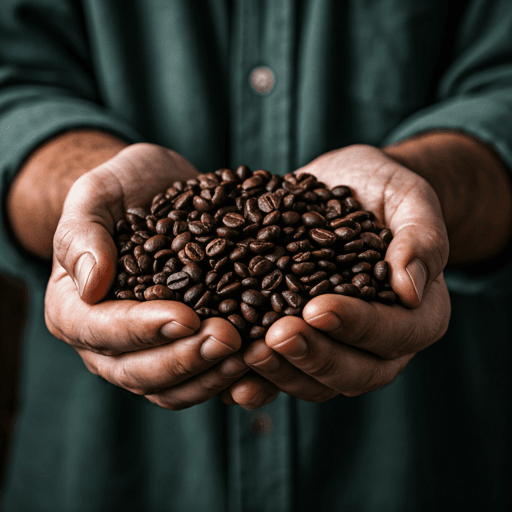
What is dandelion coffee? In short, dandelion coffee — sometimes called dandelion root coffee — is a coffee-like drink made from the roasted, ground root of the common dandelion (Taraxacum officinale), brewed much like a cup of coffee. Because it contains no coffee bean at all, dandelion coffee is naturally caffeine-free, with a dark, earthy, bitter-sweet flavor and a faint caramel-and-toasty edge that many people find reminiscent of a real brew.
What is dandelion coffee, the short answer
Dandelion coffee is not coffee in the botanical sense. There is no coffee cherry, no coffee bean, and no espresso crema involved. Instead, the long taproot of the dandelion plant is dug up, cleaned, dried, then roasted until it turns dark and fragrant. Ground and steeped in hot water, that roasted root produces a deep brown cup that looks and smells surprisingly close to coffee.
The headline feature for most people is simple: pure dandelion coffee contains no caffeine. That makes it one of many naturally caffeine-free warm drinks people reach for when they want the ritual of a roasty cup without the stimulant. It sits alongside other roasted-root and herbal alternatives rather than trying to replace real coffee outright — think of it as a caffeine-free cousin with its own character. If you are exploring the wider world of caffeine-free options beyond the coffee shelf, our guide to herbal tea maps out the broader landscape.
What dandelion coffee is and how it tastes
The raw material is the dandelion taproot — the thick, carrot-like root that anchors the familiar yellow-flowered weed. Harvested roots are washed, chopped, dried, and roasted, much the way coffee beans or chicory roots are roasted to develop color and aroma. Roasting is what transforms a bland, fibrous root into something drinkable: the heat browns natural sugars and builds those toasty, slightly bittersweet notes.
As for flavor, most tasters describe dandelion coffee as earthy and roasty, with a gentle bitterness and a caramel-like sweetness underneath. It tends to be lighter in body than a strong drip coffee, and it never forms crema the way espresso does, so the mouthfeel is thinner and more tea-like. Whether it truly "tastes like coffee" is subjective — some people find it a convincing stand-in, others read it clearly as its own roasted-root drink. Roast level, how finely the root is ground, and how strongly you brew it all shift the result, so your cup may land anywhere from mild and nutty to dark and almost molasses-like. Responses vary from palate to palate.
How dandelion coffee is made and brewed
At home, dandelion coffee usually shows up in one of two forms. The first is roasted, ground dandelion root, which you brew much like coffee: steep a spoonful in just-off-boil water for several minutes, or simmer it gently on the stove, then strain out the grounds. A rough starting point is about one to two teaspoons of ground root per cup, adjusted to taste and steeped for around five to ten minutes — longer steeping generally means a darker, more bitter cup.
The second form is an instant dandelion powder or granule that dissolves straight into hot water, no straining needed. If the idea of a spoon-and-stir cup appeals to you, the mechanics are the same as any soluble drink; our explainer on instant coffee walks through how those dissolvable formats are made and behave in the cup.
Either way, the outcome is a warm, dark, coffee-colored drink you can take black or soften with milk or a plant-based alternative and a little sweetener. Because pure dandelion coffee carries no caffeine, it slots naturally into the same "caffeine-free cup" role that decaffeinated coffee plays for bean drinkers. If your main goal is keeping the coffee ritual while dialing caffeine down, it is worth understanding the trade-offs of both routes — our guide to decaf coffee covers the bean-based side of that same choice.
Dandelion coffee vs chicory
If dandelion coffee has a closest relative, it is chicory. Both are made by roasting and grinding a plant root, both brew up dark and bitter-sweet, and both have long histories as coffee substitutes and coffee extenders. You will often find them blended together, or blended with real coffee, precisely because their roasted-root profiles complement one another. Chicory tends to read a touch sweeter and rounder, while dandelion often leans a little more herbaceous and sharply bitter, but the two overlap heavily and are easy to confuse.
They are different plants, though: chicory comes from Cichorium intybus, dandelion from Taraxacum officinale. Both are also enjoyed in non-coffee forms — dandelion, for instance, is widely steeped as a tea from its leaves or root, which is a different preparation from the roasted-root coffee described here. If you want the leaf-and-tea side of the same plant rather than the roasted "coffee," our piece on how much dandelion tea to drink per day covers that form. The table below lines up dandelion coffee against regular coffee and chicory so you can see where each one sits.
| Drink | Made from | Caffeine | Flavor | How it is brewed |
|---|---|---|---|---|
| Dandelion coffee | Roasted, ground dandelion taproot (Taraxacum officinale) | Naturally caffeine-free (pure form) | Earthy, roasty, bitter-sweet with a caramel edge; light body, no crema | Steeped or simmered like coffee, or stirred from an instant powder |
| Regular coffee | Roasted, ground coffee beans (seeds of the coffee cherry) | Contains caffeine (varies by bean and brew) | Roasty and complex, fuller body, crema on espresso | Drip, pour-over, espresso, French press and more |
| Chicory "coffee" | Roasted, ground chicory root (Cichorium intybus) | Naturally caffeine-free on its own | Dark, bitter-sweet, often a touch rounder and sweeter than dandelion | Steeped or simmered; frequently blended with coffee or dandelion |
Pure vs blended dandelion coffee
Here is the caffeine detail that trips people up. Pure dandelion coffee — just roasted root and water — is caffeine-free, full stop. But many products on the shelf are blends. A dandelion-and-chicory blend is still caffeine-free, since chicory has none of its own. A dandelion-and-coffee blend, however, does carry caffeine, because it contains real coffee beans; the amount depends on how much coffee is in the mix.
So "is dandelion coffee caffeine free?" comes down to the label. If a caffeine-free cup is the whole point for you, check that the ingredient list is pure dandelion root, or dandelion plus other caffeine-free roots and herbs, with no coffee, green coffee, or added caffeine hiding in the blend. When in doubt, read the packaging rather than assuming — formulations vary from brand to brand.
Why people choose dandelion coffee
Most people who drink dandelion coffee do it for one of two down-to-earth reasons: they want to cut back on caffeine while keeping a warm, roasty ritual, or they simply enjoy the earthy flavor and like having variety in the mug. As a naturally caffeine-free option, it can be an easy swap for an afternoon or evening cup when a second coffee might otherwise keep you up. That is a taste-and-lifestyle choice more than anything else.
It is worth keeping wellness talk light and grounded here. Dandelion has a long folk history, and you will see plenty of bold health claims attached to it online, but this is a beverage guide, not medical guidance — responses vary from person to person, and this is not medical advice. If you are pregnant or breastfeeding, take medication, or have allergies — dandelion belongs to the same botanical family as ragweed, so it can matter for people sensitive to that group — it is best to talk with your own healthcare provider before making it a regular habit. Treat dandelion coffee as what it is: a pleasant, caffeine-free, roasted-root drink to enjoy for its flavor and its ritual.