
Knowledge Base
Coffee & Tea Guides
Brew better and explore more — buying guides, how-tos, and explainers for every coffee and tea ritual.
Explainer
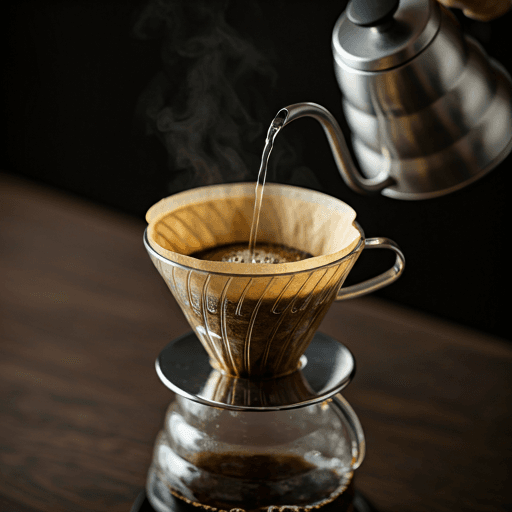
Guatemalan Coffee: Antigua, the Eight Regions and Flavor
Guatemalan coffee is complex, chocolatey, gently bright washed arabica grown on volcanic highlands — and it is one of the few origins to formally map itself into eight distinct regions. A guide to Antigua, Huehuetenango and the six others, why the land makes the cup, and the denomination that polices the country's most famous name.
Explainer
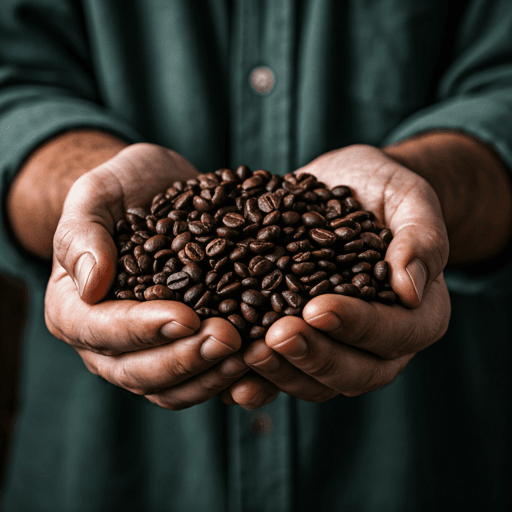
Costa Rican Coffee: Regions, Flavor and What Makes It Special
Costa Rican coffee is clean, bright, balanced washed arabica grown on volcanic soil across eight defined regions. Here are those regions, the SHB altitude grades, the honey process the country popularised, and the truth about its famous arabica-only law.
Explainer
Does Espresso Go Bad? Beans, Grounds & Pulled Shots
Does espresso go bad? Dry beans and grounds go stale rather than unsafe, a pulled shot's crema dies within a minute, and milky espresso drinks are perishable. Here's how long each really lasts and how to spot when it's past its best.
Explainer
Best Grind Size for a Percolator
A percolator wants a coarse grind — coarser than drip, on par with French press, about the texture of coarse sea salt. Here is why coarse protects both flavor and clarity, and how to dial it in when your cup runs bitter, muddy or weak.
Explainer
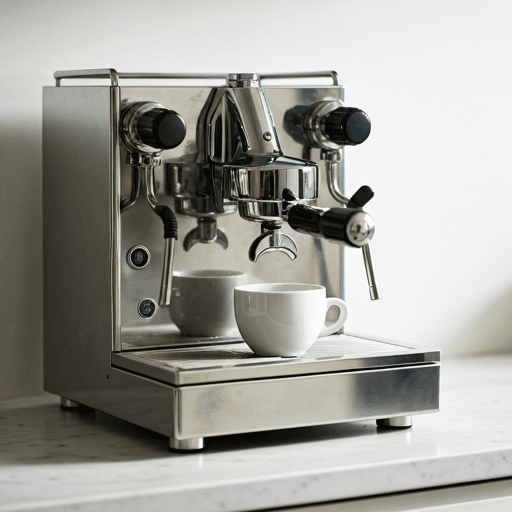
The Best Grind Size for Drip Coffee, Explained
The best grind for an automatic drip machine is medium — about as coarse as table salt. Here is why medium works, how flat and cone baskets differ, and how to fix a bitter or weak cup by moving the grind.
Explainer
Best Grind Size for Pour Over Coffee
The best grind for pour over is medium — about coarse table salt or fine sea salt, coarser than espresso and finer than French press. Here is where it sits on the scale, how it shifts across V60, Kalita, and Chemex, and how to dial it in by taste and drawdown time.
Explainer
Why Is My Coffee Sour? Causes and Fixes
Sour coffee is almost always under-extraction: the water pulled the bright acids but not the sweetness behind them. Here is what causes a sour cup - grind, water temperature, brew time, dose and roast - and how to fix each, with a quick cause-and-fix table and a sour-vs-bitter-vs-weak decoder.
Explainer
Can You Over-Steep Tea? What Happens If You Do
Yes, you can over-steep tea — leaving the leaves in too long pulls out extra tannins and turns the cup bitter, astringent and drying, not unsafe. Here is what over-steeping does, why it varies by tea type, and how to fix and prevent it.
Explainer
Can You Reheat Tea? Taste, Safety & Tips
Yes, you can reheat plain black or green tea that has only cooled briefly, and it is perfectly safe. But the aroma dulls and the tannins turn a little more bitter, so here is how to warm a cup gently, when to microwave versus use the stove, and when it is better to remake it.
Explainer
Can You Reuse Tea Bags? What to Expect
Can you reuse tea bags? Usually yes, for a cup or two more — but each re-steep is weaker. Here is what to expect, which teas reuse best, and how to do it safely.
Explainer
How Long Does Tea Last? Shelf Life by Type
Dry tea does not really expire if it stays dry, but its flavor and aroma fade — and how fast depends on the type. Here are rough shelf-life windows for green, white, oolong, black, pu-erh, herbal and tea bags.
Explainer
The Best Water for Coffee: Why It Matters
A cup of coffee is about 98% water, so its quality matters as much as the beans. Here is what the best water for coffee looks like, and how tap, filtered, bottled and distilled compare.
Explainer
Why Is My Coffee Weak or Watery? How to Fix It
Weak or watery coffee is nearly always under-extraction or under-dosing. Learn why your coffee tastes weak and the quick fixes for ratio, grind, water and freshness.
Explainer
Best Grind Size for the AeroPress, Explained
Medium-fine is the dependable AeroPress grind, but the brewer is unusually flexible: because grind and steep time work together, you can push finer and shorter for a strong cup or coarser and longer for a clean one.
Explainer
Best Grind Size for a Moka Pot
The best grind for a moka pot sits between espresso and drip — fine-to-medium, about table-salt texture. Here is why that range works, where it lands on the grind scale, and how to dial it in when your cup runs bitter or weak.
Explainer
Turkish Coffee Grind Size: How Fine It Should Be
Turkish coffee calls for the finest grind in all of coffee, finer than espresso and closer to flour or powdered sugar. Here is exactly how fine it should be, why the powder matters, and how to grind it right.
Explainer
Can You Reheat Coffee? Why It Tastes Off
Yes, you can safely reheat recently brewed black coffee, but it almost always tastes more bitter and flat. Here is why reheating dulls a cup, the gentlest way to warm one, why milky coffee is best made fresh, and easy alternatives to reheating.
Explainer
How Long Does Cold Brew Last in the Fridge?
Sealed cold brew concentrate keeps about 1 to 2 weeks in the fridge, while diluted or milky cold brew is best within a few days. Here is how to store it and spot when it has turned.
Explainer
Can You Freeze Coffee Beans? What Actually Works
Yes, you can freeze coffee beans, but only for long-term storage and only if you do it right. The rules, the moisture trap, and when to skip the freezer.
Explainer
Does Coffee Go Bad? Beans, Grounds & Brewed
Does coffee go bad, or just go stale? Dry beans, grounds and instant fade in flavor rather than turn unsafe, while brewed coffee — especially with milk — can genuinely spoil. Here's how long each really lasts and how to spot when it's past its best.
Explainer
Rooibos vs Oolong: What's the Difference?
Rooibos vs oolong compared: a caffeine-free South African red bush herbal versus a partially oxidized true tea from Camellia sinensis with real caffeine.
Explainer
What Is Barley Coffee?
Barley coffee is a warm, toasty, caffeine-free drink made from roasted, ground barley brewed like coffee. Here is how it tastes, how it is made, and how it differs from barley tea, decaf, and regular coffee.
Explainer
Yellow Tea vs Oolong: What's the Difference?
Both are true teas from Camellia sinensis, but yellow tea is barely oxidised and mellow while oolong is partially oxidised, rolled, and often roasted. Here is how the two compare on flavor, caffeine, and brewing.
Explainer
Yellow Tea vs Black Tea: What's the Difference?
Yellow tea and black tea both come from the same plant, yet one is a rare, gently yellowed near-green tea and the other a bold, fully oxidised everyday cup. Here is how they differ in processing, flavor, caffeine and brewing.