
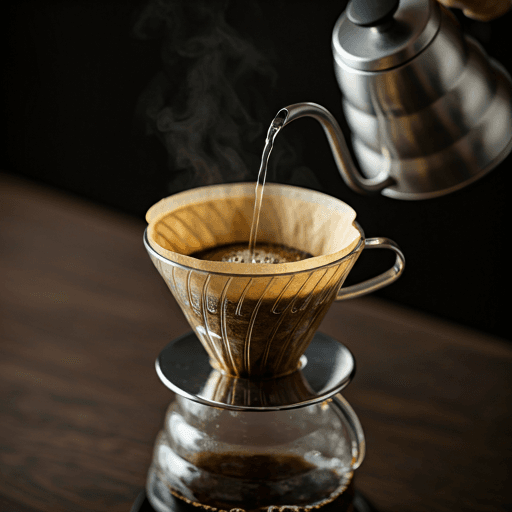
If you love the ritual of a warm, roasty cup but would rather skip the caffeine, you may be wondering what is barley coffee. The short answer: barley coffee is a coffee-like drink made from roasted, ground barley grains that are brewed much like coffee. In Italy it is known as caffè d'orzo, which translates literally as barley coffee, and because barley is a cereal grain rather than a coffee bean, the drink is naturally caffeine-free.
It has been a quiet fixture of European kitchens for generations, and it is having a wider moment now that more people are looking for gentle, low-caffeine alternatives to their usual cup. Below we walk through what barley coffee is, how it tastes, the caffè d'orzo tradition, how it is brewed, and how it stacks up against barley tea, decaf, and ordinary coffee.
What is barley coffee? The short answer
What is barley coffee in one line? It is roasted, ground barley that is brewed like coffee and sipped like coffee, but it contains no coffee bean and no caffeine. Whole barley grains are roasted until deep brown, then ground and either steeped, dripped, or run through a moka pot or espresso machine. The result looks a lot like a cup of coffee and carries a similar warm, toasty character, which is exactly why people reach for it.
Because the flavor comes from roasting a grain rather than a coffee cherry, barley coffee sits in the same family as other caffeine-free roasted-grain and herbal drinks. If you are exploring that world more broadly, our overview of what herbal tea is is a good companion read.
What barley coffee is and how it tastes
Barley coffee is made from a single humble ingredient: barley, a cereal grain that is roasted, ground, and brewed. Roasting is what does the heavy lifting. As the grain darkens, its natural sugars caramelize, which is where the drink gets its color and much of its aroma.
People tend to describe the taste as toasty, malty, mild, and nutty, with a gentle bitter-sweet edge. Many tasters pick up notes that lean toward bread crust, roasted cereal, and sometimes a hint of chocolate or caramel, though impressions vary from cup to cup and roast to roast. What it generally does not have is coffee's bright acidity, its heavier body, or a proper crema, so if you go in expecting an identical espresso you may notice it is lighter and softer. Thought of on its own terms, it is a comforting, rounded, low-bitterness cup that takes milk well.
Caffè d'orzo: a caffeine-free tradition
In Italy, barley coffee is caffè d'orzo, and it is far from a novelty. It has been a long-loved everyday drink there, poured for children, for people avoiding caffeine, and for anyone who simply enjoys a softer cup in the afternoon or evening. It became especially widespread in the mid-twentieth century, when coffee was scarce and roasted barley and chicory stepped in as substitutes, and it stuck around long after because people liked it.
Culturally it is treated like coffee, not like a compromise. Italian bars will pull a caffè d'orzo shot, foam it into an orzo cappuccino, or serve it long, and at home families make it in a moka pot, a filter machine, an espresso machine, or from an instant powder. Some households even use an orziera, a moka pot adapted specifically for barley. The through-line is that it is an ordinary, unremarkable-in-the-best-way part of the daily rhythm.
How barley coffee is brewed
One of the friendly things about barley coffee is that it slots into whatever gear you already own. The common approaches are:
- Moka pot: the classic Italian method, brewing pre-roasted, pre-ground barley much as you would coffee for a concentrated, espresso-style cup.
- Drip or filter: ground roasted barley goes in the basket and brews like a regular filter coffee.
- Espresso machine or pods: some brands sell orzo espresso pods, and the loose ground grain can be pulled as a shot.
- Steeped: the grounds can also be steeped and strained, closer to how you would make a simple infusion.
- Instant: soluble roasted-barley powder dissolves straight into hot water or milk, the same idea as scooping and stirring instant coffee, just caffeine-free.
Ratios and grind can be adjusted to taste, and because there is no caffeine to worry about, there is no strength ceiling for that reason. Barley coffee is forgiving, so it is an easy one to experiment with.
Barley coffee vs barley tea
This is the point that trips people up most, so it is worth being clear. Barley coffee and barley tea both start with roasted barley, but they are different drinks prepared in different ways.
Barley coffee is roasted, ground, and brewed as a coffee substitute, aiming for that dark, coffee-like cup. Barley tea, known as mugicha and popular across East Asia, is a steeped infusion of roasted barley, drunk as a tea and very often served iced and refreshing rather than hot and coffee-style. Same grain, different intent: one is styled after coffee, the other after tea. If you want the full picture on the steeped version, see our dedicated guide to barley tea, which covers it in depth.
Barley coffee vs decaf and instant coffee
It is easy to lump every low-caffeine option together, but barley coffee is not the same as decaf. Decaf is genuine coffee, made from real coffee beans that have had most of their caffeine removed through a decaffeination process, so it still tastes like coffee and still contains a small residual amount of caffeine. Barley coffee, by contrast, contains no coffee at all and no caffeine at all, because it never started with a coffee bean. We keep the full explainer on the bean-based route in our guide to decaf coffee.
Instant is a separate axis entirely. Both regular coffee and barley coffee come in instant, soluble forms, so instant orzo powder is simply the quick version of barley coffee, while instant coffee is the quick version of the real bean. The table below lines up the three drinks side by side.
| Attribute | Barley coffee | Regular coffee | Decaf coffee |
|---|---|---|---|
| Made from | Roasted, ground barley grain | Roasted, ground coffee beans | Coffee beans with most caffeine removed |
| Caffeine | None (naturally caffeine-free) | Full caffeine | Small residual amount |
| Flavor | Toasty, malty, nutty, mild, bitter-sweet | Bold, acidic, full-bodied, with crema | Coffee-like, often a touch milder |
| How brewed | Steeped, dripped, moka, espresso, or instant | Drip, moka, espresso, French press, instant | Same methods as regular coffee |
Pure barley vs a coffee-barley blend
One caveat is worth flagging if avoiding caffeine is the whole point. Pure barley coffee, made from 100 percent roasted barley, is caffeine-free. But some products are coffee-barley blends, where roasted barley is mixed with real coffee to bridge the two flavors. A blend like that will carry whatever caffeine the coffee portion contributes, so it is not caffeine-free. If it matters to you, it is generally worth checking the label or the ingredient list, since amounts vary by product and the only way to be sure is to read what is actually in the pack.
A light, non-medical note
People choose barley coffee for simple reasons: to cut back on caffeine, to enjoy something warm later in the day, or just for variety. One plain fact worth knowing is that barley is a grain that contains gluten. That is not a health claim in either direction; it is simply relevant if you are avoiding gluten for any reason, in which case a roasted-barley drink would not suit you.
Beyond that, individual responses vary, and this is general information rather than medical advice. If you have questions about gluten, coeliac disease, an allergy, pregnancy, or how any drink might interact with medication, those are best directed to a qualified healthcare provider who knows your situation.
The bottom line
Barley coffee is a warm, toasty, naturally caffeine-free drink made by roasting, grinding, and brewing barley like coffee, best known in Italy as caffè d'orzo. It tastes malty and mild rather than sharp, it brews in the equipment you already have, and it gives you the comforting shape of a coffee ritual without the caffeine. Just remember it is a distinct thing from barley tea, and check the label if you specifically need a pure, coffee-free cup.