
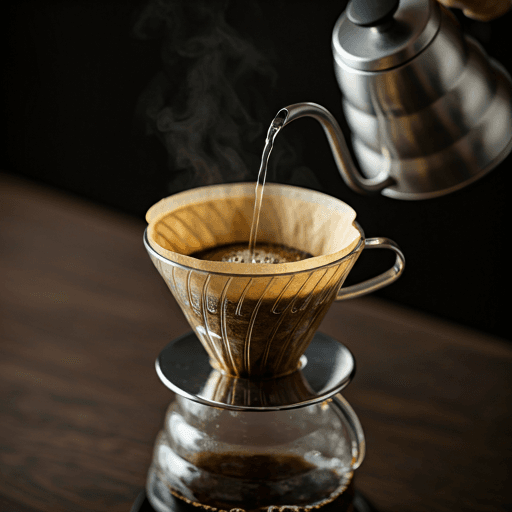
If you are wondering why is my coffee sour, the short answer is almost always under-extraction: the water pulled out the bright, acidic compounds but not enough of the sweeter, fuller flavors sitting behind them. A little tartness can be lovely, but a sharp, puckering, lemony bite that makes you wince usually means the brew stopped too soon. The good news is that sour coffee is one of the most fixable problems in the kitchen once you know which lever to pull.
Below is a plain-language tour of what makes coffee taste sour, the handful of culprits behind it, and a cause-and-fix table you can work through the next time a cup turns sharp. Sour is the mirror image of bitter, so most of the fixes point in one clear direction.
Why Is My Coffee Sour? Under-Extraction in Plain Terms
Brewing is just hot water dissolving flavor out of ground coffee, and it happens in a rough order. The bright, fruity acids come out first and fast, then the sweeter sugars and caramel notes, and finally the heavier, more bitter compounds. Stop at the right moment and you capture acidity, sweetness and a touch of bitterness in balance. Stop too early and you get mostly acid with little sweetness to round it out, which is exactly what a sour cup tastes like.
That early stop is under-extraction: not enough of the grounds dissolved, so the fast, tart flavors arrived without the slower, sweeter ones behind them. This is why sour coffee and under-extraction go hand in hand, and why the fix is never simply "add more coffee." Sourness is an extraction problem, not a strength one. If you want the full science of how flavors leave the grounds in sequence, our guide to coffee extraction explained walks through the whole map; here we stay focused on diagnosing and fixing the sour cup in front of you.
It also helps to separate two ideas people often blur. Strength is how much coffee is dissolved in the water, or concentration. Extraction is what proportion of the grounds dissolved. You can brew a strong cup that still tastes sour and a weak cup that tastes balanced. So when you ask why does my coffee taste sour, the answer is nearly always the same: the water did not pull enough out before you stopped.
The Usual Causes of Sour Coffee
When a cup turns sharp and tart, one or more of these is almost always behind it. If you keep asking why does my coffee taste sour morning after morning, the answer is usually a single setting that has drifted, so change just one variable per brew to find yours.
Grind too coarse
This is the number one reason coffee turns sour. Coarse grounds have less surface area, so water rushes past them and extracts too little before it drains away. If your cup tastes thin and sharp, grind finer before you touch anything else, which slows the water down and lets it pull more sweetness. Grind size is the single highest-leverage change you can make, and matching it to your brewer matters more than most people realize; our coffee grind size chart shows the right texture for each method, from a coarse French press to a fine espresso.
Water too cool
Cooler water dissolves flavor slowly, so a brew made with under-heated water often stalls in the sour zone before it reaches the sweeter notes. Most brew methods sit happiest somewhere around 90 to 96 C (roughly 195 to 205 F) rather than lukewarm, though the exact sweet spot varies by coffee and method, so treat those numbers as a starting range and not a rule. If you brew with water well off the boil, or your kettle runs cold, nudging it hotter is an easy way to coax out more sweetness. Very light roasts in particular like water toward the higher end of that band.
Brew time too short
The less time water and grounds spend together, the less dissolves, and a brew cut short lands sour. An espresso shot that gushes out in a few seconds, a pour-over that drains too fast, or a French press pressed after barely a minute will all skew sharp. Letting the brew run longer gives the water time to reach past the acids into the sweetness. Aim for a fuller steep: many pour-overs want a couple of minutes of total contact, and a French press is usually happiest around four minutes before you press and pour.
Dose or ratio off
An off-balance ratio can nudge a cup sour too, especially when you use a lot of water for very little coffee and the brew runs quick and weak. Weighing your coffee and water to a consistent ratio removes most of the guesswork and keeps every cup in the same ballpark, so you are only ever chasing one variable at a time.
Very light roast or bright origin
Here is the important caveat: not all sourness is a fault. Very light roasts keep more of the bean's natural acidity, and some origins are simply brighter by nature, with a lively, citrus-like or berry-like snap that is a feature, not a flaw. Coffees from the Horn of Africa, for example, are prized for exactly that vivid acidity. A pleasant, juicy tartness is a taste note to enjoy. It only becomes a problem when the cup is sour and hollow with no sweetness behind it, which points back to under-extraction rather than the beans.
Sour Coffee: Cause, Sign and Fix
The quickest sour coffee fix is to undo whatever cut the extraction short. Work through this table one row at a time, changing a single thing and tasting again before you move on.
| Likely cause | Sign in the cup | How to fix it |
|---|---|---|
| Grind too coarse | Thin, sharp, water rushed through fast | Grind finer; match grind to your brew method |
| Water too cool | Sour and flat, especially with light roasts | Brew hotter, around 90 to 96 C (195 to 205 F) |
| Brew time too short | Tart and hollow, brew finished quickly | Extend the steep or slow the pour so it runs longer |
| Very light roast or bright origin | Lively, acidic, but with no sweetness to balance | Extract more (finer, hotter, longer); or choose a slightly darker roast |
Notice the pattern: nearly every fix pushes the extraction further along. If you overshoot and the cup turns harsh, dry and lingering instead, you have gone too far the other way, so ease back toward the middle.
Sour vs Bitter vs Weak: A Quick Decoder
Three complaints get muddled all the time, and telling them apart is the whole trick to dialing in any coffee. Sour and bitter are opposite failures of extraction, while weak is a different problem altogether about how much coffee is in the cup.
| Sour | Bitter | Weak | |
|---|---|---|---|
| What it tastes like | Sharp, tart, lemony, makes you wince | Harsh, dry, ashy, lingering at the back | Thin, watery, faint, just not much there |
| What went wrong | Under-extracted: too little dissolved | Over-extracted: too much dissolved | Under-dosed: too little coffee for the water |
| Fix direction | Extract more: finer, hotter, longer | Extract less: coarser, cooler, shorter | Use more coffee, or less water |
Sourness tends to hit the sides of your tongue and fade fast; bitterness settles at the back and lingers after you swallow; weakness is less about a wrong flavor and more about a missing one. If your cup is over-extracted instead, the mirror-image playbook lives in our guide to why is my coffee bitter. And if the cup is simply pale and lacking punch rather than tart, that is a dose-and-ratio issue covered in why is my coffee weak.
The Fix Order: What to Change First
When a cup lands sour, resist the urge to change everything at once. Work through the levers in order of impact, adjusting one thing per brew and tasting after each:
- Grind finer first. It is the biggest lever and the fastest route out of sourness. A notch or two finer on the grinder often fixes a sharp cup on its own.
- Then brew hotter. If a finer grind is not enough, make sure your water is genuinely hot, in that 90 to 96 C range, rather than off-boil-and-cooling.
- Then extend the time. Slow the pour, lengthen the steep, or let the press sit a little longer so the water has time to reach the sweetness.
- Then check freshness and dose. Very old or improperly stored beans can taste flat and sour; so can a stingy dose. Confirm the coffee is reasonably fresh and your ratio is sensible before blaming the recipe.
Because you only moved one thing at a time, you will know exactly which lever fixed the cup, and you can lock that setting in for next time.
Putting It Together
Sour coffee is rarely a mystery once you read it as a signal of under-extraction rather than a flaw baked into the beans. Start with grind, then water temperature, then brew time, change one thing per cup, and taste as you go. Within a few brews most people land on a cup with enough acidity to feel alive and enough sweetness to round it off, and the same instincts that tame sourness will help you chase down bitterness, weakness or anything else that pulls a cup off center. Responses vary from palate to palate, so trust your own taste as the final judge.