
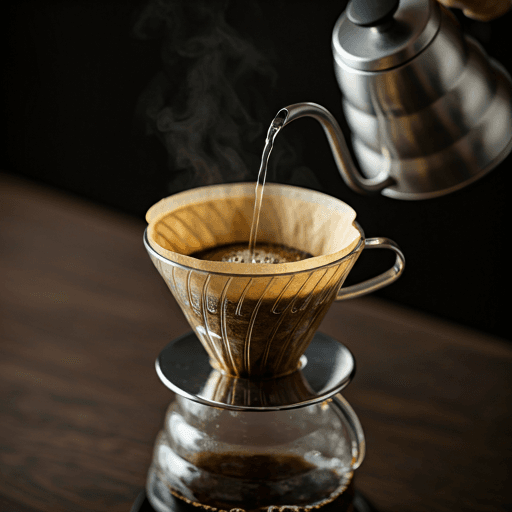
If you are wondering why is my coffee bitter, the short answer is almost always over-extraction: your brew pulled too much out of the grounds, and the harsh, drying compounds that dissolve last ended up in the cup. A little bitterness is normal and even pleasant, but a sharp, lingering bite usually means one variable slipped too far. The good news is that bitter coffee is one of the easiest problems to diagnose and fix once you know which lever to pull.
Below is a plain-language tour of what causes bitterness, the culprits that push a brew over the edge, and a cause-and-fix table you can work through the next time a cup turns harsh.
Why Is My Coffee Bitter? What Over-Extraction Means
Brewing is really just hot water dissolving flavor out of ground coffee, and it happens in a rough order. Bright, fruity acids come out first, then the sweeter sugars and caramel notes, and finally the heavier, more bitter compounds, including breakdown products of chlorogenic acids, some caffeine, and roast-derived molecules. When you stop extraction at the right point you capture acidity, sweetness and a balancing touch of bitterness. Pull for too long or too aggressively and you keep dissolving past the sweet spot into the bitter tail.
That is what over-extraction means: not that the coffee is "too strong," but that too high a percentage of the grounds has dissolved, dragging out those last, harshest flavors. It is why the fix is almost never "add water" — diluting an over-extracted brew just gives you weak, still-bitter coffee. You have to change what happens during the brew itself.
It also helps to separate two things people lump together. Strength is how much coffee is in the water, or concentration. Extraction is what proportion of the grounds dissolved. You can have a strong cup that is perfectly balanced and a weak cup that is unpleasantly bitter. Bitterness is an extraction problem, not simply a strength one.
The Usual Culprits Behind Bitter Coffee
When coffee is too bitter, one or more of these is nearly always responsible. If you keep asking why is my coffee so bitter morning after morning, the answer is usually a single setting that has drifted, so change just one variable per brew to find yours.
Grind too fine
This is the number one reason coffee turns bitter. Finer grounds have far more surface area, so water extracts them faster and further, which is great for espresso but punishing for a French press or drip meant to run slower. If your coffee is so bitter it feels dry or ashy, coarsen the grind before you touch anything else. Dialing in grind size is the single highest-leverage change you can make; our guide to how to grind coffee beans covers matching grind to each brew method.
Water too hot
Water near a rolling boil scorches the grounds and rushes extraction into the bitter zone. Most brew methods sit happiest somewhere in the low-to-mid 90s Celsius rather than a full 100. If you pour straight off the boil, let the kettle rest for 30 to 45 seconds first. For the full picture on heat, see best water temperature for coffee.
Brewing too long
The longer water and grounds stay in contact, the more dissolves, including that bitter tail. A French press left to steep for ten minutes, a pour-over that drains too slowly, or an espresso shot that runs long will all skew bitter. Shorten the contact time: press and decant a French press at around four minutes, and stop a pour-over once the flow stalls.
Too much coffee for the water
Using a heavy dose relative to your water can push a brew off balance and, combined with a long steep, tip it into harshness. Weighing your coffee and water to a consistent ratio removes most of the guesswork; our coffee brewing ratios guide has sensible starting points for each method.
Dark or stale roast
Roast is a flavor choice, not a defect, but very dark roasts carry more of the smoky, carbon-forward bitterness by design, and they give up their solubles quickly. Stale beans are worse: as coffee ages it loses its bright, sweet aromatics first, leaving the flat, bitter notes exposed. If a bag has been open for weeks, that dullness often reads as bitterness. A lighter or fresher roast is an easy reset — coffee roast levels explained can help you find a level that suits your palate.
Dirty equipment
Old coffee oils go rancid and cling to baskets, carafes, French press mesh and espresso group heads, adding a stale, bitter edge to every subsequent cup. If your gear smells sour or looks filmy, that flavor is going into the brew. Rinse after each use and deep-clean on a regular schedule.
How to Fix Bitter Coffee, Cause by Cause
How to make coffee less bitter comes down to undoing whatever pushed extraction too far. Work through this table one row at a time, changing a single thing and tasting again before you move on to the next.
| Likely cause | What it does | How to fix it |
|---|---|---|
| Grind too fine | Too much surface area, water over-extracts | Grind coarser; match grind to your brew method |
| Water too hot | Scorches grounds, speeds bitter extraction | Cool to roughly 90-96C; rest a boiled kettle 30-45 seconds |
| Brew time too long | Extended contact pulls the bitter tail | Shorten the steep or shot; decant a French press near four minutes |
| Dose or ratio too high | Off-balance concentration, easy to over-brew | Weigh coffee and water to a consistent ratio |
| Dark or stale roast | More roast bitterness; age dulls sweetness | Try a lighter roast; use fresh, recently roasted beans |
| Dirty equipment | Rancid oils add stale bitterness | Rinse after use; deep-clean gear regularly |
Notice the pattern: nearly every fix slows or gentles the extraction. If you overshoot and the cup turns thin and sour instead, you have gone too far the other way, so nudge back toward the middle.
Bitter vs Sour vs Balanced
Bitterness has an opposite, and telling the two apart is the key to dialing in any coffee. Sourness — a sharp, tart, sometimes lemony bite that makes you wince — is the signature of under-extraction, when water has not pulled enough from the grounds and only the fast, acidic flavors made it into the cup. Its fixes are the mirror image of the bitter ones: grind finer, use slightly hotter water, or brew a little longer.
| Sour (under-extracted) | Balanced | Bitter (over-extracted) | |
|---|---|---|---|
| Taste | Sharp, tart, lemony | Lively, sweet, rounded | Harsh, dry, ashy, lingering |
| What happened | Too little dissolved | Just-right extraction | Too much dissolved |
| Fix direction | Grind finer, hotter water, longer brew | Keep your recipe | Grind coarser, cooler water, shorter brew |
Balanced coffee sits between the two: enough acidity to feel alive, enough sweetness to round it out, and just a whisper of bitterness for backbone. If you are unsure which way a cup is off, sourness tends to hit the sides of your tongue and fade fast, while bitterness settles at the back and lingers well after you swallow.
Putting It Together
Bitter coffee is rarely a mystery once you see it as an extraction signal rather than a flaw baked into the beans. Start with grind, then look at water temperature and brew time, change one thing per cup, and taste as you go. Within a few brews most people land on a cup that is rich and full without the harsh edge, and the same instincts that tame bitterness will help you chase down sourness, flatness or anything else that pulls a cup off center. Responses vary from palate to palate, so trust your own taste as the final judge.