
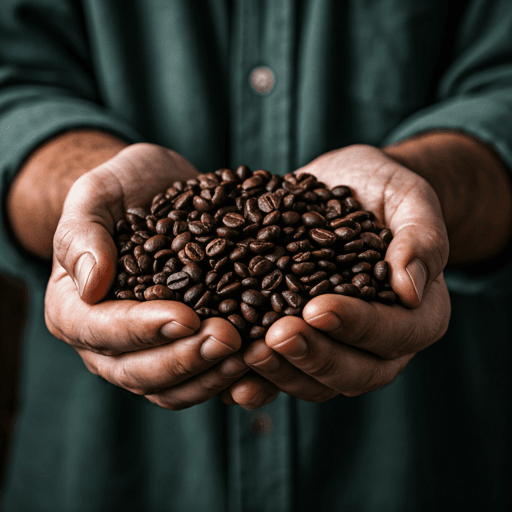
Does coffee go bad? The short, hedged answer: dry coffee almost never turns unsafe, but it absolutely goes stale, quietly losing the aroma and flavor that made it worth brewing. Brewed coffee is a different matter, and it can genuinely spoil once it sits too long, especially with milk. So the word 'bad' is really doing two jobs here.
One kind of 'bad' is staleness: your beans or grounds are perfectly safe to drink but taste flat, papery and dull. The other kind is real spoilage: a cup of coffee left out for a day, or an iced latte forgotten on the counter, that has started to sour. Keeping the two apart is the key to knowing when to shrug and when to pour it down the sink.
The short answer: does coffee go bad, or just go stale?
For anything dry — whole beans, ground coffee, instant granules — time is mostly an enemy of flavor, not safety. Coffee is roasted, low in moisture and fairly inhospitable to the microbes that spoil food, so an old bag in the back of the cupboard is far more likely to make a boring cup than a risky one. What fades is the good stuff: the volatile aromatics and roasted oils that give coffee its character. Left long enough, those oils can slowly oxidize and turn faintly rancid, which is unpleasant rather than dangerous.
Brewed coffee flips the logic. Once you add hot water — and especially milk, cream or sugar — you have made a perishable drink that behaves like any other, and it can spoil within hours in warm conditions. This guide walks through each form and how to read the signs. For the full method of keeping coffee fresh — jars, airtight seals, the fridge-versus-freezer debate — see our companion guide on how to store coffee beans, so we can focus here on the shelf life itself.
Do coffee beans go bad? Whole beans and freshness windows
Do coffee beans go bad? Not quickly, and rarely in a way that is unsafe. Whole roasted beans are the most forgiving form because most of each bean's surface is still locked inside — less area meets the air, so the aromatics escape more slowly. Many roasters suggest that beans taste their best within roughly two to four weeks of the roast date, though this is a soft window and depends heavily on the coffee and how it is kept.
After that peak, beans do not become undrinkable; they simply drift toward flat. Sealed and stored well, whole beans can stay pleasant for a couple of months, and safe for considerably longer, even as the sparkle fades. The eventual limit is the oils going rancid, which happens sooner for oily dark roasts than for drier light ones. For how roast dates work and what 'fresh' really means, our guides on fresh coffee beans and fresh roasted coffee go deeper than we will here.
Ground coffee: why it stales far faster
Grinding is the great accelerator. The moment you break a bean into thousands of particles, you multiply its surface area enormously, and all that fresh area meets oxygen at once. That is why ground coffee stales so much faster than whole beans: peak flavor is often a matter of days to a couple of weeks once a bag is opened, rather than weeks to months.
Pre-ground coffee in a sealed, unopened pack lasts longer because it has not met much air yet, but the clock speeds up sharply the moment you break the seal. If a jar of grounds smells faint and cardboard-like where it once smelled sweet and roasty, it has gone stale — still safe, just tired. This is the single biggest reason many people choose to grind just before brewing.
Instant coffee: shelf-stable, but not immortal
Instant coffee is the marathon runner of the group. Because it is already brewed and then dried to very low moisture, it is highly shelf-stable and can keep for a long time sealed in a dry cupboard, often well past a year. Its enemy is not really time but moisture. A damp spoon, steam drifting from a kettle, or a loosely closed lid lets water creep in, and the granules clump, harden and lose their aroma. Clumped instant is usually a quality problem rather than a safety one, but visible mold or a genuinely off smell means it is time to let it go.
Brewed coffee: when a cup actually spoils
Here is where 'bad' becomes literal. Freshly brewed black coffee is fine to drink for a few hours and tastes best the same day; as it cools and oxidizes it turns bitter and sharp, but that is a flavor issue more than a safety one. Leave it sitting warm and exposed for many hours, though, and you are giving airborne yeasts and bacteria a comfortable home.
Milk and sugar change everything. The instant you add dairy or a milky foam, your coffee becomes a perishable dairy drink, and warmth is exactly what invites spoilage. An iced coffee, a latte or any milky brew should not sit out warm for long; when it does, it can sour, develop an unpleasant smell, or grow a film. Responses and conditions vary, and this is general food-safety guidance rather than medical advice, so when a cup has been out too long the sensible move is simple: when in doubt, throw it out.
How long does coffee last? A quick-reference table
So, how long does coffee last in each form? The windows below are deliberately hedged — your climate, packaging and how tightly things are sealed all shift them — but they capture the general shape of things.
| Form | Best flavor window | Still usable | How to tell it is past it |
|---|---|---|---|
| Whole beans | ~2-4 weeks from roast | Months if sealed and dry | Flat, papery aroma; dull, lifeless cup |
| Ground coffee | Days to ~2 weeks once opened | Weeks to a few months sealed | Faint cardboard smell; little crema or bloom |
| Instant coffee | Best within months of opening | Often a year-plus sealed and dry | Hard clumps; faded aroma; any mold means toss |
| Brewed black | Same day, ideally within hours | A day or so if promptly chilled | Very bitter, sour or flat taste |
| Brewed with milk | Drink fresh; keep cold | Only briefly, kept cold | Sour smell, curdling, oily film — discard |
Signs your coffee has turned
Reading coffee is mostly about your nose. For dry coffee, staleness shows up as a flat, cardboard-like smell and a dull, hollow taste in the cup — the sweetness and roasty depth simply are not there. It is safe; it is just past its best. Freshly opened good coffee, by contrast, smells sweet, nutty or fruity depending on the roast.
For brewed coffee the warning signs are sharper. A sour or genuinely off smell, an oily film on the surface, curdled milk, or any sign of mold all mean the cup has spoiled and should go straight down the sink. You do not need to taste-test a suspect cup to be sure. Responses vary from person to person, and this is not medical advice, so err on the cautious side.
What speeds coffee's decline: the four enemies
Whatever the form, the same four forces drag coffee downhill, and they are worth naming because they explain every window above.
- Air (oxygen) — oxidizes the oils and carries off the aromatics; the more surface area, the faster it works.
- Moisture — the special enemy of instant and grounds, causing clumping and, at worst, mold.
- Heat — speeds up every chemical reaction, staling dry coffee and spoiling brewed cups faster.
- Light — especially direct sun, which degrades flavor compounds over time.
Controlling those four is what good storage is really about, and the right container does a lot of the work. We cover the hardware — valve bags, vacuum canisters and the rest — in our roundup of airtight coffee storage containers.
Does coffee expire? Reading the "best by" date
Does coffee expire the way milk does, with a hard cliff on a certain date? Not really. The "best by" date printed on a bag or jar is a peak-quality estimate from the maker, not a safety deadline. Dry coffee a little past that date is almost always fine to drink; it has just given up some of its best flavor. Trust your senses over the print: if sealed dry coffee smells and tastes clean, it is good to go, and if it smells rancid or shows any mold, retire it.
The one place to take dates and time seriously is brewed coffee, which has no such grace period once milk and warmth are involved. Keep dry coffee for flavor, judge brewed coffee for safety, and when a cup or a bag ever leaves you unsure, the oldest kitchen rule still applies: when in doubt, throw it out.