
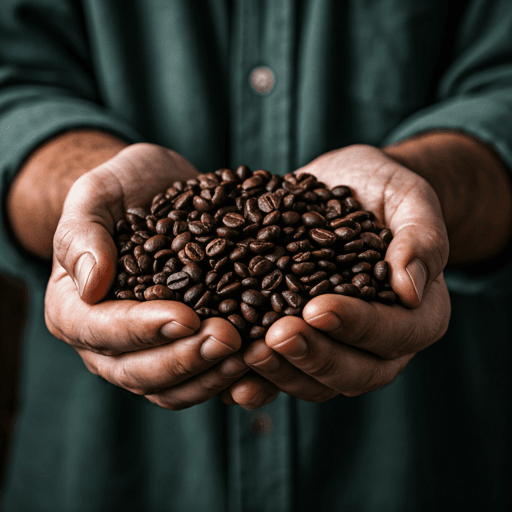
To keep coffee beans fresh, store them whole in an airtight, opaque container at cool room temperature, away from air, light, heat and moisture, and grind only what you are about to brew. An airtight coffee bean container is the single best upgrade most home brewers can make, because it fights all four things that stale coffee at once. This guide covers how to store coffee beans step by step, the four enemies of freshness, and when freezing actually helps.
We are not ranking canisters here. For specific container types and how to pick one, see our companion guide to the best airtight coffee storage containers. This page is about the habit: doing the storing well, whatever container you own.
How to store coffee beans: the quick method
Freshly roasted coffee is alive. It releases carbon dioxide for days and slowly oxidizes from the moment it leaves the roaster. Good storage does not make coffee immortal, but it slows the clock a lot. Follow these five steps and you will taste the difference.
- Buy whole beans, and only what you will drink in about two to four weeks. Whole beans keep far longer than pre-ground, and smaller, fresher batches beat one giant bag going stale. See our fresh coffee beans guide for how to read a roast date.
- Transfer them to an airtight coffee bean container. Ideally one that is opaque and has a one-way valve or a vacuum seal, rather than leaving beans in a clip-shut bag. Push out the trapped air if your canister lets you.
- Keep the container cool and dark. A cupboard or pantry shelf away from the oven, kettle, dishwasher and direct sun is ideal. A steady room temperature of roughly 65 to 75 F (about 18 to 24 C) is the target.
- Do not refrigerate. The fridge is humid and full of odors coffee readily absorbs. Freeze beans only in airtight portions for long-term storage, and never refreeze a thawed portion (full method below).
- Grind fresh, right before brewing. This is the biggest single lever after keeping air out. Grinding ahead of time exposes far more surface area to oxygen, so beans you grind to order taste noticeably livelier than a bag that was ground days ago.
The four enemies of fresh coffee beans
Coffee does not usually turn dangerous with age. It goes flat: the aromatic oils and gases that make a cup taste like coffee escape and break down. Four things drive that staling, and every good storage habit is really just a way to beat one of them. Most guidance points to air and humidity as bigger culprits than temperature alone, which is exactly why the fridge backfires.
| Enemy of freshness | What it does to your beans | How to avoid it |
|---|---|---|
| Air (oxygen) | Oxidizes the oils, turning bright, sweet notes flat, cardboard-like or rancid. The number one culprit. | Use an airtight container; a valve or vacuum lid removes the air trapped above the beans. |
| Light | UV and bright kitchen light break down those same oils faster. | Store in an opaque canister, or keep clear glass inside a dark cupboard. |
| Heat | Warmth speeds up every chemical reaction that ages coffee. | Keep the container in a cool spot, not on top of the fridge or beside the oven or kettle. |
| Moisture | Beans clump, pick up off-flavors and stale faster, and damp coffee can spoil. | Keep beans dry, skip the fridge, and let any frozen portion warm up still sealed. |
Get all four under control and a typical bag of freshly roasted whole beans tastes its best for roughly two to four weeks. It stays drinkable for longer, but the aroma and brightness slowly fade.
Why an airtight coffee bean container beats the open bag
The bag your coffee arrived in is a fine start, especially if it has the small one-way degassing valve most specialty roasters use. Roll it down tightly to squeeze out the air and clip it shut. But once a bag is half empty, it holds a lot of stale air against your beans, and it reseals imperfectly. A dedicated canister does the job better.
The enthusiast favorite is an air-removal canister such as the Airscape, which you will also see searched as an "air scape." It uses an inner plunger lid that presses down onto the beans and forces the air out through a one-way valve, then locks; as you use the coffee, you push the lid further down so little air is ever trapped. Vacuum-pump canisters like the Fellow Atmos work on the same idea. A simple opaque steel or ceramic jar with a good gasket also works well and usually costs less; it just leaves the headspace air sitting in the jar. For the bags themselves, see our rundown of coffee bags.
Whatever you choose, size it to roughly one to two weeks of beans so the canister stays comfortably full and the air space stays small. A jar far bigger than your coffee is mostly a jar full of oxygen.
The fridge mistake, and when freezing works
Skip the refrigerator for everyday coffee. It is humid, packed with food odors coffee absorbs, and every time you take beans out, condensation can form on the cool surface as warm room air hits them. That moisture ages coffee quickly. A cool, dark cupboard beats the fridge almost every time.
The freezer is a different story, but only for long-term storage, never for the bag you are actively brewing. Guidance from the Specialty Coffee Association and others suggests deep freezing can genuinely slow staling by slowing the release of gases. To do it right:
- Divide beans into small, single-week airtight portions in vacuum or freezer-grade bags. Do not freeze them loose in your daily canister.
- Freeze cold and leave it. Repeated thawing and refreezing is what ruins frozen coffee.
- When you want a portion, take it out and let it come to room temperature still sealed, about 20 to 30 minutes, so condensation forms on the outside of the bag rather than on the beans.
- Open it, decant into your canister, and use it within a week. Do not refreeze what is left.
Troubleshooting: keep coffee beans fresh
- Beans taste flat or papery. They have oxidized. Buy fresher, smaller amounts, seal tighter, and finish a bag within two to four weeks.
- Oily sheen going rancid. Common with dark roasts, which push oils to the surface; store them extra airtight and use them faster.
- Beans clump or smell of the kitchen. Moisture and odors got in. Move out of the fridge and into a dry, sealed, opaque container.
- Coffee tastes weak within days. If you store it pre-ground, that is the cause. Keep beans whole and grind to order.
- Any sign of mold. Discard it. Stale coffee is safe but dull; visibly moldy or damp coffee is not worth the risk.
The bottom line on storing coffee beans
You do not need the most expensive gear to drink fresh coffee. You need whole beans, a container that beats oxygen, light, heat and moisture, a cool dark shelf, and the discipline to grind just before you brew. Get those right and every cup tastes closer to what the roaster intended. From here, dial in your grind with our how to grind coffee beans guide so your carefully stored beans taste their best in the cup.