
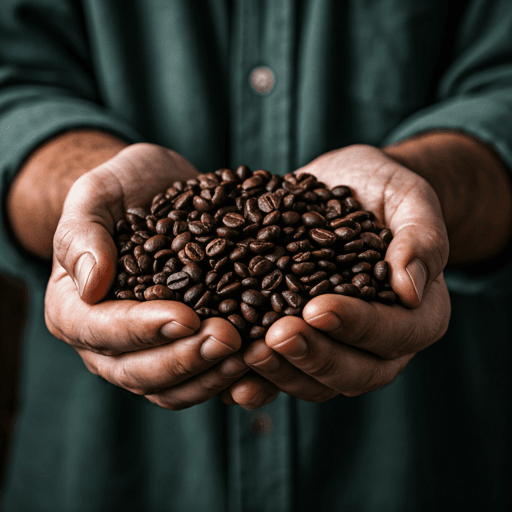
Fresh coffee beans are simply beans that were roasted recently and stored well, so they still hold their aromatic oils and dissolved CO2. Freshness is one of the biggest and most overlooked factors in how good your coffee tastes: the same beans can be lovely at two weeks and flat at four months. This guide is the practical side of the story, so the goal here is buying fresh coffee beans and then keeping them that way at home, not the chemistry behind it.
If you want the science of why roasted coffee changes over time, that lives in our companion guide on fresh roasted coffee. Below we focus on what to look for when you shop and how to store what you bring home.
What "fresh coffee beans" actually means
Coffee is a roasted agricultural product, and like bread or spices it is best soon after it is made. A roast develops hundreds of aromatic compounds and traps carbon dioxide inside each bean. Over the following days and weeks that CO2 slowly escapes and those volatile aromas fade, a process called staling. Fresh coffee beans are the ones still inside their good window, full of aroma and a little restless with gas. (If you are new to the raw material itself, our explainer on what coffee beans are covers the basics.)
Freshly roasted coffee beans are not the same thing as "just roasted." Beans need a short rest of a few days to release their first burst of gas, then they hit a sweet spot, then they gradually decline. Knowing roughly where a bag sits in that arc is the whole game, and it is why a printed date matters so much.
How to buy fresh coffee beans
Buying fresh coffee beans is mostly about reading the bag and choosing the right source. Four habits do almost all the work.
1. Look for a clear roast date, not just a "best before"
The single most useful thing on a bag of coffee is a printed roast date. It tells you exactly how old the coffee is. A far-off "best before" or "expiry" date tells you almost nothing about flavor, because it is set for food safety, not taste. Coffee does not really go off in a dangerous way; it just goes dull. If a bag only carries a best-before date a year out and no roast date, treat it as a mystery. Specialty roasters almost always stamp the roast date; many supermarket blends do not, which is a quiet sign the coffee may have been sitting for months.
2. Prefer whole beans over pre-ground
Whole bean coffee freshness lasts far longer than ground. Grinding multiplies the surface area exposed to air, so ground coffee starts losing aroma within days, while whole beans hold for weeks. Buying whole bean coffee and grinding at home is the easiest single upgrade for a better cup. We compare the two head to head in fresh ground vs pre-ground coffee.
3. Buy from places with good turnover
A busy local roaster or a shop that sells through its stock quickly will, on average, hand you fresher coffee than a slow shelf. Roasters who roast to order, ship promptly, and date their bags are doing the freshness work for you. If you can smell the beans or see a roast date at the counter, even better. Online roasters can be excellent too, as long as they roast close to dispatch rather than warehousing pre-roasted stock.
4. Buy small amounts you will finish in a few weeks
A giant value bag feels economical, but if it takes you two months to drink it, the last half will be tired. Buy what you will realistically use within about two to four weeks of the roast date. Smaller, more frequent purchases keep every cup closer to peak, even if it means visiting the roaster or reordering a little more often.
How to keep coffee beans fresh at home
Once you have good beans, storage is about defending them from four enemies: air, light, heat, and moisture. Learning how to keep coffee beans fresh is really just learning to block all four at once.
| Freshness enemy | What it does | How to protect against it |
|---|---|---|
| Air (oxygen) | Oxidizes oils and carries aroma away; speeds staling | Airtight container or a resealable one-way-valve bag; push out excess air |
| Light | UV degrades flavor compounds, especially in clear jars | Opaque container or a dark cupboard; avoid clear glass on a sunny counter |
| Heat | Accelerates the loss of volatile aromas | Cool room-temperature spot, away from the oven, kettle, or hob |
| Moisture | Dampens beans, dulls flavor, risks mold | Keep dry and sealed; never store near steam or in the fridge |
In practice, the ideal home setup is a sealed, opaque canister kept in a cupboard at room temperature. Many roaster bags already include a one-way valve that lets gas out without letting air in, so for everyday use you can simply roll the bag down tightly and clip it shut. If you want to step up, an airtight ceramic, steel, or vacuum canister works beautifully; we round up the options in our guide to the best airtight coffee storage containers.
A few extra pointers:
- Keep beans in their bag or canister, not a bowl or open jar.
- Store away from strong-smelling foods; coffee readily absorbs odors.
- Decant only what you can use; opening a large container daily floods it with fresh air each time.
- Do not store beans on top of or beside the espresso machine, where heat builds up.
The fridge and freezer myths, sensibly
Two storage ideas cause endless confusion, so here is the honest version.
The fridge is a bad idea. A domestic fridge is humid and full of food smells, and beans pulled in and out hit condensation as they warm and cool. That moisture and those odors do real damage to flavor. Keep coffee out of the fridge.
The freezer can work, but only carefully. Long-term freezing can genuinely preserve beans, but only if they are sealed truly airtight in small, single-use portions and frozen once. The mistake people make is repeatedly taking a bag out, scooping, and returning it, so the beans thaw and refreeze and collect moisture each time. If you freeze, divide beans into airtight portions, take out one portion at a time, and let it come to room temperature before opening. For most people the simpler answer is the better one: buy fresh in modest amounts and store airtight at room temperature.
How to tell if your beans are stale
Your senses are a reliable freshness test. Watch for these signs:
- Faded aroma. Fresh beans smell loud and sweet when you open the bag. Stale ones smell faint, papery, or generically "coffee-ish" with no character.
- Flat or oily taste. Old coffee tends to taste dull and lifeless; very old or poorly stored beans can taste rancid as their oils oxidize. Dark roasts may look oily early, but a slick that appears with age plus a flat flavor points to staleness.
- Little or no bloom. This is the clearest tell. When you pour hot water over freshly ground fresh coffee, it puffs up and foams as trapped CO2 escapes; that swell is the bloom. Old beans have lost their gas, so they barely bubble. A vigorous bloom means fresh; a quiet, sunken bed means tired beans.
None of this is about safety. Stale coffee will not hurt you; it simply tastes of less. But once you have noticed the difference, it is hard to unnotice.
Grind just before you brew
One last habit protects all the freshness you worked to preserve: grind right before brewing, not days ahead. Whole beans seal most of their aroma inside until you break them open, so grinding to order gives you the cup at its most vivid, and it lets you match the grind size to your brewer. Even a modest grinder makes a real difference here. If you are torn between convenience and quality, it is worth understanding the trade-offs between grinding fresh and buying pre-ground coffee before you settle into a routine.
The short version
Fresh coffee beans are recent and well kept. Buy by roast date, choose whole bean over ground, shop where stock moves quickly, and buy only what you will drink in a few weeks. Store the beans airtight, opaque, cool, and dry, skip the fridge, freeze only with care, and grind just before you brew. Do that, and you will taste the difference in the very next cup, then keep tasting it down to the bottom of the bag.