
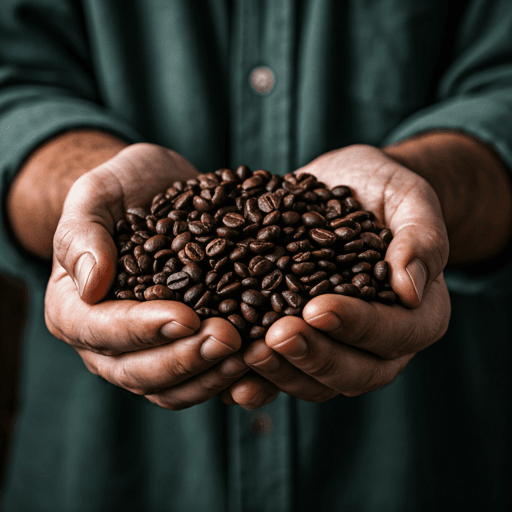
Fresh roasted coffee is coffee you brew within a few weeks of its roast date, while the beans are still releasing the gases and aromatics created during roasting. Compared with coffee that has sat in a warehouse or on a shelf for months, freshly roasted coffee tastes livelier, sweeter and far more aromatic. This guide explains the concept behind that difference: what roast freshness actually is, the science of coffee degassing, how long the good window lasts, and the simple signs that tell you a bag is fresh.
What is fresh roasted coffee?
Fresh roasted coffee is coffee enjoyed close to the day it was roasted, before time and air have stripped away its volatile aromas. Roasting is a chemical event, not just heating: it builds hundreds of aromatic compounds and traps a large volume of carbon dioxide inside each bean. For a short while after the roaster cools the beans, all of that flavor and gas is locked in and ready to express itself in the cup. As the days pass, the gas escapes and the delicate aromatics oxidize, so the coffee slowly fades toward flat and dull.
The single most useful clue is the roast date printed on a quality bag. A roast date tells you exactly when the beans were roasted, which is the only honest measure of freshness. A vague "best before" date a year out tells you almost nothing. If you are new to the bean itself, our explainer on what coffee beans are sets the stage, and what coffee roasting is covers how heat transforms green beans into the fragrant brown ones you grind.
Coffee degassing: why fresh beans are full of gas
The science behind roast freshness is mostly a story about one molecule: carbon dioxide. During roasting, the intense heat drives chemical reactions (the Maillard reactions and caramelization that create flavor) and generates a great deal of CO2. Much of that gas stays trapped inside the porous structure of the roasted bean. Coffee degassing, sometimes called off-gassing, is the slow release of that trapped CO2 over the days and weeks after roasting.
Degassing matters for taste in two ways. First, the CO2 carries aroma with it, so a freshly roasted bean is fragrant in a way a stale one never is. Second, too much gas at once can actually get in the way of brewing: when a bean is extremely fresh, escaping CO2 pushes back against the water and makes extraction uneven, which is why coffee usually benefits from a short rest before it brews at its best. Once most of the gas has gone, oxygen takes over, and oxidation is what eventually turns a once-bright coffee papery and flat.
The freshness window: how long does fresh roasted coffee last?
Freshly roasted coffee is not actually at its best on day one. Most beans need a short rest after roasting before the flavor settles, then they hit a sweet spot and hold it for several weeks. As a rough guide, beans rest for about 3 to 14 days, peak somewhere in the following few weeks, and start to noticeably fade about a month after a bag is opened. The exact timing shifts with the roast and how the coffee is brewed.
| Time after roast | What is happening | How it tastes |
|---|---|---|
| Day 0–2 (just roasted) | Peak CO2; beans are at their most gassy | Often sharp, fizzy or uneven; aromas feel muted and not yet "open" |
| Day 3–7 (resting) | Rapid degassing; CO2 venting fast | Settling down; espresso can gush and taste a little wild, filter is improving |
| Day 7–14 (sweet spot opens) | Degassing slows; aromatics stabilize | Sweet, balanced and aromatic — the heart of the good window |
| Week 3–4 | Gentle, steady gas release | Still very good, especially from a sealed, unopened bag |
| After ~4 weeks (opened) | Oxidation takes over from degassing | Flatter and duller; loses sweetness and can turn cardboard-like or papery |
Treat those numbers as a map, not a rulebook. A bag stored airtight, cool and dark stays good longer than one left open on a sunny counter, and your own palate is the final judge.
Why espresso wants a longer rest
Brew method changes the timeline. Espresso forces hot water through a dense puck under pressure, so excess CO2 has a dramatic effect: a too-fresh bean can produce a gushing, sour, hard-to-control shot with wildly fast extraction. Many people find espresso settles into its best form after roughly a week or more of rest, sometimes up to two. Filter and immersion methods such as pour-over and French press are more forgiving, and often taste lovely just a handful of days off the roast.
The bloom: the visible sign of freshly roasted coffee
You can actually see degassing happen. When you pour hot water onto fresh grounds, the bed puffs up and foams as trapped CO2 rushes out. Brewers call this the bloom, and it is one of the most reliable freshness signs there is. A big, doming bloom means the coffee is fresh and full of gas; grounds that barely react and sit flat are usually stale. A common pour-over routine is to add a small amount of water, let the coffee bloom for around 30 to 45 seconds, and then continue the pour — a quick habit that both checks freshness and improves the cup.
How roast level and grind change the timeline
Not all coffee ages at the same speed. Two factors move the goalposts:
- Roast level. Darker roasts are more porous and oilier, so they release gas faster and stale sooner; lighter roasts are denser and tend to hold their freshness a little longer. Where your beans sit on that scale is worth knowing — our guide to coffee roast levels walks through light, medium and dark.
- Whole bean versus ground. This is the big one. Whole beans protect their aromatics inside an intact shell, while grinding shatters them into thousands of tiny pieces with enormous surface area. Pre-ground coffee can lose much of its aroma within minutes to hours and goes flat in days, not weeks. That is why grinding right before you brew does more for freshness than almost anything else.
Why supermarket coffee often tastes flat
If fresh roasted coffee tastes so much better, why does so much coffee taste of nothing in particular? Because most mass-market supermarket coffee is roasted in huge batches, then warehoused, shipped and shelved long before it reaches you — frequently months before. By the time the bag is opened, the lively aromatics that define freshly roasted coffee are mostly gone, even though the coffee is perfectly safe to drink. Many of those bags also carry only a distant "best before" date and no roast date at all, which is itself a quiet sign that freshness was never the point.
This is the core of why fresh roasted coffee is better: it is not a different bean or a fancier origin, it is simply the same coffee caught at the right moment. Buying from a roaster who prints a roast date, or roasting and brewing on a short cycle, is what lets you taste what the coffee actually has to offer.
How to keep your coffee fresh
The concept turns into four simple habits. The practical buying and storage details live in our companion fresh coffee beans guide, but the short version is this:
- Buy by roast date. Choose bags that show when the coffee was roasted, and favor the most recent.
- Buy small and often. A two-week supply you finish fresh beats a giant bag that goes stale halfway through.
- Store airtight, cool and dark. Keep beans away from air, heat, light and moisture; the original valve bag or an opaque airtight container is ideal.
- Grind right before you brew. Whole beans hold their freshness; ground coffee does not. A grinder is the highest-impact upgrade for flavor.
The takeaway
Roast freshness is the quiet variable behind a great cup. Coffee is a living, gassing thing for a few short weeks after it leaves the roaster, sweetest once it has rested and before oxygen flattens it out. Watch the roast date, let espresso rest a touch longer, look for a healthy bloom, and grind fresh, and you will get far more out of whatever beans you choose. From here, it is worth understanding how the roast itself shapes everything that follows in the cup — and then simply drinking your coffee while it is still young.