
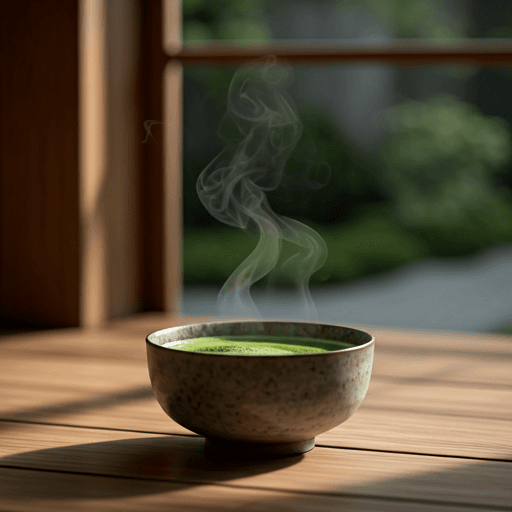
Short answer: yes, you can reuse tea bags — usually for one, and sometimes two, more cups — but each re-steep comes out weaker and less flavorful than the first. So can you reuse tea bags and get the same drink twice? Not really. Most of a tea's taste, color and caffeine leave the leaves during that opening brew, which is why a second cup lands paler and milder. Think of reuse as stretching a cup rather than duplicating it, and know that it rewards good whole-leaf teas far more than cheap bags.
The short answer: can you reuse tea bags?
For everyday drinking, a single tea bag will happily give you a second cup, and a good one can manage a third. The catch is that flavor drops off each time. The first steep is bold and full; the next is lighter; a third is often little more than tinted water. To claw back some strength, steep the reused bag a bit longer than you did the first time — more contact time helps coax out what is left. The trick is knowing when to stop: once a cup tastes flat and watery no matter how long you leave the bag in, the leaf is done and you are better off starting fresh.
The fine art of coaxing many rich infusions out of the same leaves is really a whole-leaf technique, and it has its own home: see how many times you can steep tea for the multi-infusion approach used with quality loose-leaf. Here we are focused on the simpler, everyday question of squeezing an extra cup out of a bag you have already used.
Why the second cup is weaker
Tea is basically a controlled extraction. Hot water dissolves the flavor compounds, aromatic oils, color and caffeine out of the leaf and into your cup. Because those soluble parts come out fastest and most abundantly at the start, the first steep does most of the heavy lifting. By the time you refill the bag, a large share of what made the tea taste like tea is already in your first mug — so the reused bag delivers a paler, gentler, less aromatic drink. This is why steeping the second cup longer, or with fully hot water, only recovers some of the difference: you are working with a leaf that has already given up its easiest, boldest flavors.
This is also where a popular myth needs a gentle correction. People sometimes assume that discarding the first steep, or reusing a bag, removes all or nearly all of the caffeine. It does not. A meaningful portion of the caffeine tends to release early, but a used bag still carries some caffeine into later cups, and exactly how much varies with the tea, the water temperature and how long you steep. If you are watching your caffeine for sleep, sensitivity, pregnancy, breastfeeding or a medication, do not rely on reuse as a decaf trick — responses vary from person to person, this is not medical advice, and your own healthcare provider is the right person to ask.
Which teas reuse best
Not all tea bags are created equal, and the format matters more than almost anything else. Many mass-market bags are filled with fine, broken tea — sometimes called dust or fannings — which has a huge surface area and gives up its flavor almost all at once. That is great for a fast, strong first cup and poor for reuse: the leaf is largely spent after one steep. Whole-leaf teas, whether loose or in roomy pyramid bags, release their flavor more gradually, so they have more to give on a second or third go.
| Tea type | Reuse potential | Tip |
|---|---|---|
| Whole-leaf green or oolong | Best — often several infusions | Re-steep quickly and adjust the time; these are built for multiple rounds |
| Black whole-leaf | Good — usually one or two more cups | Steep the reused leaves a little longer to rebuild body |
| Fine-dust tea bag | Limited — often one weak extra cup | Mostly spent after the first steep; expect a pale second cup |
| Herbal (tisane) | Varies by ingredient | Berries and fine bits fade fast; woody roots and barks may give a little more |
Good green and oolong especially reward a second round — that is exactly why the multi-infusion tradition grew up around them. If you want to get the timing right for each cup, our guide on how long to steep tea covers the times that keep later steeps balanced rather than thin or over-brewed.
How to reuse a tea bag well
The technique is simple, and a couple of habits make the difference between a decent second cup and a disappointing one.
- Re-steep soon. The best time to reuse a bag is shortly after the first cup, while the leaves are still warm and hydrated. Fresh hot water and a quick turnaround give the cleanest result.
- Steep a little longer. Since the leaf is partly depleted, give the second cup more time than the first to draw out the remaining flavor and color.
- Keep the water hot. Reheating with properly hot water helps a tired leaf give up more than a lukewarm top-up will.
- Do not let it sit. A used, damp bag left on the counter for hours — or overnight — is not doing anything useful. It cools, it can pick up off-flavors, and it becomes a hospitable spot for microbes.
Food safety and freshness
A used tea bag is wet, warm and full of organic matter, which makes it perishable in a way that dry tea is not. Left at room temperature it can grow mold or bacteria within a day, so the practical rule is simple: reuse it the same day. If you want a short pause between cups, pop the bag in a covered dish in the fridge and use it soon rather than leaving it out. When a bag smells sour, looks slimy or has been sitting far too long, do not gamble on it — when in doubt, throw it out and start fresh. This is a light, practical food-safety note rather than medical advice.
Freshness of the dry tea itself is a different question — an old, stale bag will make a flat cup on the very first steep, let alone the second. For how long unopened and opened tea actually keeps, see does tea expire, and for keeping your dry leaves in good shape so every first cup starts strong, our guide to storing loose-leaf tea covers the essentials.
Other uses for used tea bags
If a bag is truly spent for drinking, it does not have to go straight in the bin. Plenty of people repurpose used tea bags around the house and garden — steeped leaves get worked into compost or scattered around plants, and a dried bag is sometimes tucked into a fridge, a shoe or a musty drawer to help with odors. Treat these as a passing aside rather than the main event: the point of reuse is one more decent cup, and everything after that is a bonus.
So, can you reuse tea bags? Yes — with realistic expectations. Reach for whole-leaf green, oolong or black tea when you want that second cup to actually taste like something, steep it a touch longer, do it the same day, and enjoy stretching a good leaf a little further.