
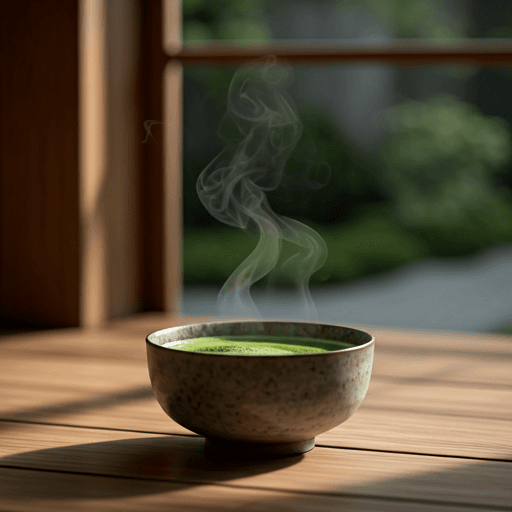
How many times can you steep tea? You can steep most whole-leaf tea more than once — most good loose-leaf tea gives 2 to 3 satisfying infusions in everyday Western brewing, and oolong or pu-erh can steep 5 to 8 times, or well beyond, in the small-pot gongfu style. Whole leaves unfurl and release their compounds gradually, so each round reveals a fresh layer of flavour, while tea bags and broken leaf usually surrender everything to a single strong cup.
So the honest answer to "how many times can you steep tea" is: it depends on the leaf, the format and how you brew it. Below is a type-by-type guide, a quick-reference table, and the practical habits that let you draw the most from a single spoonful of leaves.
Why you can re-steep tea leaves
Re-steeping works because whole tea leaves do not release everything at once. A dried leaf is tightly furled or tightly rolled; when hot water reaches it, the leaf slowly opens and water works its way into the inner cells. Each infusion draws out a slightly different balance of the leaf's soluble compounds, which is exactly why re-steeping tea can feel like tasting several related drinks from one measure of leaf.
In broad terms, the lighter aromatic oils and some of the caffeine come out early, in the first steep or two. The deeper, fuller and more astringent notes — including many of the tannins — build across the middle infusions, then taper off as the leaf gives up the last of its flavour. That gradual release is the whole reason people ask whether you can reuse tea leaves at all: with genuinely whole leaf, a second and third cup are not a watered-down afterthought but a natural continuation. Broken leaf and dust behave differently, which is why format matters so much.
How many times can you steep tea by type
There is no single number, because leaf size, processing and oxidation all change how much a tea holds in reserve. The figures below are rough, everyday guidance rather than rules — they vary by brand, harvest and how strong you like each cup. Rolled and tightly twisted leaves generally last longer than flat or broken ones, and the more whole the leaf, the more multiple infusions you can expect.
| Tea type | Rough number of good steeps | What tends to happen |
|---|---|---|
| Green tea | ~2-3 | Fades fairly quickly; gentler, cooler water helps later cups |
| White tea | ~3+ | Delicate; opens up slowly and rewards a little patience |
| Oolong tea | ~5-8+ | Tightly rolled styles go longest; each steep shifts floral to roasted |
| Black tea | ~2-3 | Bold first cup, softer second; broken-leaf blends often give just one |
| Pu-erh | Many (often 8-10+) | Compressed leaf unfurls over many rounds; ages and re-steeps well |
| Herbal / tisanes | Usually ~1 | Flowers, roots and fruit pieces give up most flavour in the first steep |
| Tea bags / broken leaf | ~1 | One good cup, then a thin second at best |
A few of these deserve a word of context. Green teas are lightly processed and give up their bright, grassy character early, so 2 to 3 steeps is typical. White tea, made from young buds that are simply withered and dried, tends to open slowly and can stretch to three or more gentle infusions. Oolong is the champion re-steeper of the everyday teas because it is only partially oxidised and often rolled into tight pellets that release flavour over many rounds; if you want the fuller story of what oolong is and how oxidation shapes it, see our guide to oolong tea. Pu-erh, pressed into cakes or nuggets, can keep going far longer still. Most herbal blends — which are technically tisanes rather than true tea — are usually a one-and-done affair.
Western brewing versus gongfu style
How many infusions you get is not only about the leaf; it is also about your method. There are two broad approaches, and they treat re-steeping very differently.
Western style: fewer, longer steeps
The familiar Western approach uses a modest amount of leaf in a fairly large pot or mug, steeped for a few minutes. Because you extract a lot in each long infusion, you tend to get 2 to 3 worthwhile cups from most whole-leaf teas before the flavour thins out. It is simple and forgiving, and it suits most kitchens and offices.
Gongfu style: lots of leaf, many short steeps
The gongfu method, rooted in Chinese and Taiwanese tea practice, flips the ratio: a lot of leaf goes into a small pot or gaiwan, and each infusion lasts only seconds. Because no single steep exhausts the leaf, you can coax out many multiple infusions — often 5 to 8 for oolong and well into double figures for pu-erh — each one a slightly different snapshot of the same leaf. This is the style that makes re-steeping tea feel like an unfolding tasting rather than a repeat. For the underlying mechanics of leaf-to-water ratios and timing that carry over to both styles, our loose-leaf brewing guide walks through the fundamentals.
How to re-steep tea well
Getting a good second and third cup is mostly about small adjustments rather than any special equipment.
- Add a little time or heat each round. The leaf gives up flavour more slowly as it tires, so lengthen each successive steep slightly, and for greens and whites you can nudge the water a touch hotter on later cups to keep the flavour lively. Exact timings differ by tea — our steeping-time guide covers the starting points for each type.
- Do not let wet leaves sit for hours. Leaves left soaking or forgotten in a cold, damp pot between infusions can turn stewed and flat, and prolonged dampness is what eventually spoils leaves. Pour off every steep completely so the leaves rest damp but not submerged.
- Re-steep within the same day. As a simple rule of thumb, treat opened, brewed leaves as a same-day affair. A gap of an hour or two between rounds is fine; leaving used leaves overnight to brew again the next morning tends to give a dull, sometimes musty cup, so it is best avoided. Responses and preferences vary, and this is general guidance rather than medical or food-safety advice.
- Keep the leaves warm, not cooked. Between quick gongfu steeps the leaves stay hot naturally. In Western brewing, simply reboil fresh water for each round rather than reusing water that has gone lukewarm.
Tea bags versus loose leaf: why bags fade fast
The single biggest factor in how many times you can steep is not the plant but the format. Standard tea bags are filled with fannings and dust — tiny broken fragments with a huge amount of surface area. That is deliberate: it lets a bag brew a strong cup in a minute or two. The trade-off is that broken leaf gives up almost all of its flavour in that first cup, so the answer to how many times can you reuse tea bags is, realistically, once — and even that second cup is usually pale and thin.
Whole loose leaf is the opposite. Its intact structure holds flavour in reserve and releases it gradually, which is precisely what makes multiple infusions possible. If you are weighing convenience against how many cups you get, our comparison of tea bags versus loose leaf lays out the differences in more depth. A useful middle ground is a large-leaf pyramid bag, which behaves a little more like loose leaf and can sometimes manage a decent second steep.
When to stop steeping
Your senses are the best guide to the last infusion. A tired leaf announces itself: the liquor turns noticeably paler, the aroma fades, and the taste goes thin and watery, sometimes with a faint flat or papery edge. When a fresh steep is barely darker than hot water and offers little scent, the leaf has given what it has, and the next cup will only disappoint.
There is no fixed count that applies to every tea, so trust the cup in front of you rather than a target number. A quality rolled oolong might still be interesting on its seventh infusion, while a broken black-tea blend is done after one. Stopping while the tea is still pleasant, rather than pushing for one steep too many, is the difference between a satisfying last cup and a disappointing one.
The short version
Can you reuse tea leaves? Almost always, if they are whole leaf: expect roughly 2 to 3 steeps from greens, whites and blacks in everyday brewing, many more from oolong and pu-erh, and usually just one from herbal blends and tea bags. Brew a little longer or hotter as the leaves tire, keep everything to the same day, and let the colour and aroma tell you when to stop. Re-steeping is one of the quiet pleasures of good loose-leaf tea — a way to slow down, taste how a single leaf changes, and get far more from every spoonful.