
Knowledge Base
Coffee & Tea Guides
Brew better and explore more — buying guides, how-tos, and explainers for every coffee and tea ritual.
Explainer
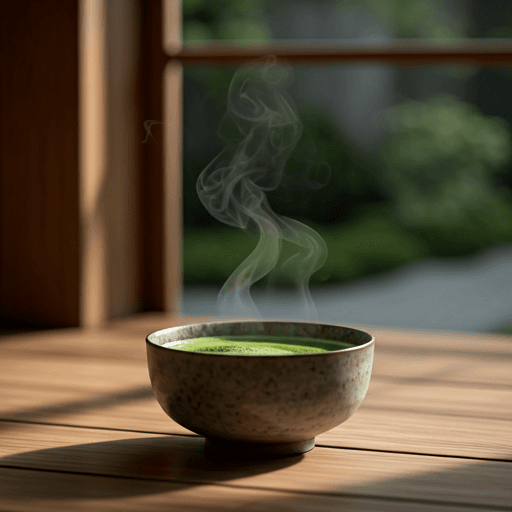
Bitter Melon Tea: What It Is and How to Make It
Bitter melon tea is a caffeine-free herbal infusion made from dried bitter gourd (karela). Here's what it is, how to brew it, and how to soften its sharp bitterness.
Explainer
Monk Fruit Tea (Luo Han Guo), Explained
Monk fruit tea (luo han guo) is a dark, naturally sweet, caffeine-free brew from southern China that tastes intensely sugary with no sugar at all. Here is what luo han guo is, how to brew it, how it tastes, and who it suits.
Explainer
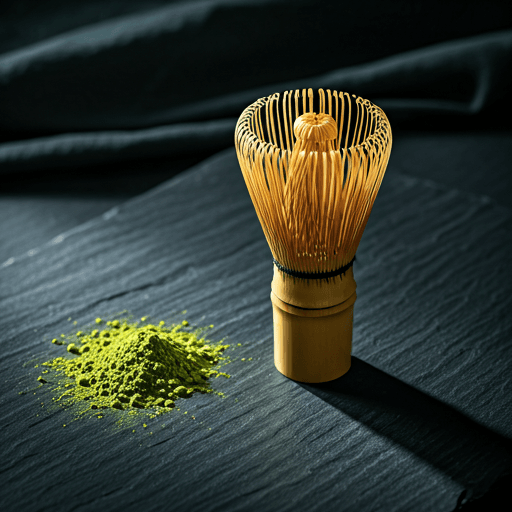
What Is Kombucha? Fermented Tea, Explained
Kombucha is a lightly fizzy, tangy fermented tea — sweet black or green tea transformed by a SCOBY. Here is what it is, how it tastes, and the honest picture on caffeine and sugar.
Explainer
Hojicha vs Matcha: Roasted vs Whisked Green Tea
Both are Japanese green teas, but hojicha is roasted into a mellow, low-caffeine brew you steep, while matcha is a vivid shade-grown powder you whisk and drink whole. Here is how the two compare on flavor, caffeine and preparation.
Explainer
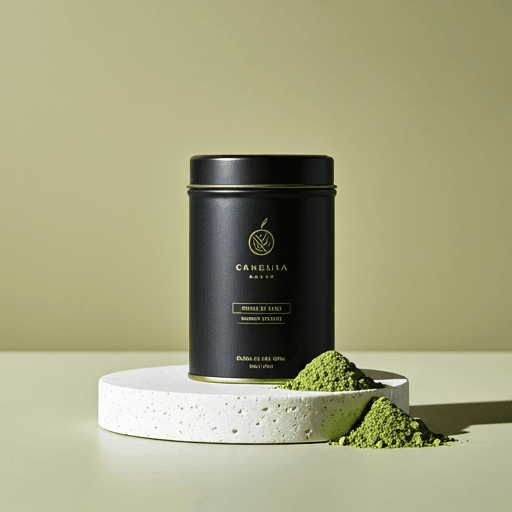
Sencha vs Matcha: Two Japanese Green Teas
Sencha and matcha are both Japanese green teas from one plant, but sencha is a whole leaf you steep and strain while matcha is a shade-grown powder you whisk and drink whole. Here is how they differ in growing, taste, caffeine and effort.
Explainer
Alishan Oolong: Taiwan's High-Mountain Tea
Alishan oolong is Taiwan's celebrated high-mountain (gaoshan) tea: a lightly oxidised, ball-rolled oolong with a naturally buttery, floral, sweet cup. Here is what makes it special, how it tastes, and how to brew it.
Explainer
Caffeine While Breastfeeding: How Much Is Fine?
For most nursing parents a moderate amount of caffeine is generally fine while breastfeeding — up to around 200 to 300 mg a day — because only a little reaches breast milk. Here is what to know, and why to check with your own doctor.
Explainer
Caffeine and L-Theanine: Why They Work Together
L-theanine is a calming amino acid found naturally in tea, and pairing it with caffeine gives many people the alertness of a stimulant with fewer jitters. Here is why the two work together, where to get L-theanine, and the rough ratio people cite.
Explainer
Is Espresso Bad for You? What the Facts Actually Say
Is espresso bad for you? For most healthy adults in moderation, no. A single shot holds surprisingly modest caffeine — here is what actually matters, from timing to the sugar hiding in sweet espresso drinks.
Explainer
Flat White vs Latte: What's the Difference?
Flat white vs latte: both are espresso and steamed milk, but the flat white is smaller and stronger with less milk, and the latte is bigger and milkier.
Explainer
Americano vs Lungo: What's the Difference?
An americano is espresso diluted with hot water added afterwards; a lungo is pulled long, forcing more water through the same grounds. Here's how the two longer black coffees compare in taste, strength and caffeine — and which to choose.
Explainer
Espresso Brew Ratio: Ristretto, Normale and Lungo
The espresso brew ratio is the weight of coffee going in versus liquid espresso coming out — around 1:2 for a balanced normale. Here is how ristretto, normale and lungo differ, and how to dial in your own shot by taste.
Explainer
Arabic Coffee (Gahwa): Cardamom, Ritual and the Dallah
Arabic coffee, or gahwa, is a lightly roasted, cardamom-spiced coffee served unsweetened from an ornate dallah into small finjan cups — a ritual of welcome across the Arabian Gulf and the Levant. Here's what it is, how it's made and how it's poured.
Explainer
Butter Tea (Po Cha): The Tibetan Savoury Brew
Butter tea, or Tibetan po cha, is a warming, savoury drink of strong tea churned with butter and salt — a Himalayan staple that tastes more like broth than a sweet cup.
Explainer
Cheese Tea: The Salty-Sweet Foam Trend
Cheese tea is a fruit or milk tea capped with a thick, salty-sweet cheese foam you sip through. Here's what the foam is made of, where the Taiwanese trend began, and how to drink it.
Explainer
Raw vs Ripe Pu-erh (Sheng vs Shou): What's the Difference?
The two kinds of pu-erh are raw (sheng), aged slowly for a bright, floral, sometimes bitter cup, and ripe (shou), pile-fermented to taste dark, smooth and earthy from day one. Here is how they compare in taste, aging and brewing.
Explainer
Silver Needle White Tea (Baihao Yinzhen), Explained
Silver needle white tea (Baihao Yinzhen) is the most prized white tea — bud-only, barely processed and delicately sweet. Here is what it is, how it compares to White Peony and Shou Mei, and how to brew it.
Explainer
Jin Jun Mei Tea: China's Golden-Bud Black Tea
Jin Jun Mei is a modern luxury black tea from the Wuyi Mountains, made entirely from golden spring buds for a smooth, honeyed, unsmoked cup. Here is what makes it different from Lapsang Souchong, how it tastes, and how to brew it.
Explainer
What Is Yellow Tea? The Rarest of the Six Teas
Yellow tea (huangcha) is the rarest of the six true teas — made like green tea but with a slow "sealing yellow" step that turns it mellow, sweet and honeyed. Here is what it is, how it tastes, the famous types, and how to brew it.
Explainer
Darjeeling First Flush: The "Champagne of Teas"
The earliest spring pluck of the Darjeeling hills, first flush is the lightest, most floral Darjeeling tea — the fresh, delicate cup behind the "champagne of teas" nickname. Here is what it is, how it tastes, how it differs from second flush, and how to brew it.
Explainer
Coffee Before a Workout: Does It Help?
A coffee before a workout is a popular, low-cost pre-workout — here is how the caffeine may help, when to time it, why black is usually best, and who should be cautious.
Explainer
The Benefits of Quitting Caffeine (and What to Expect)
Quitting caffeine can bring steadier energy, calmer nerves and better sleep — but a short bout of withdrawal usually comes first. Here's what changes, what to expect, and how to cut back gently.
Explainer
Half-and-Half in Coffee: What It Is and How to Use It
Half-and-half is an equal blend of whole milk and cream, about 10-12% fat, that adds creamy body and softens bitterness without the heaviness of pure cream. Here is what it is, how it changes your coffee hot and iced, whether it froths, and the best substitutes.
Explainer
Oat Milk in Coffee: Why It Works So Well
Oat milk is the creamiest plant milk for coffee — it froths almost like dairy and rarely curdles. Here is how it behaves, why a barista blend foams best, and how it compares with almond and soy.