
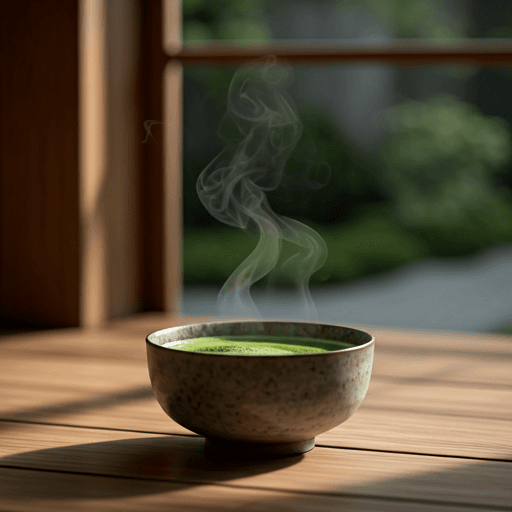
Yellow tea (huangcha) is one of the six true teas made from the Camellia sinensis plant — and the rarest of them all. It is crafted almost exactly like green tea, but with one extra, painstaking stage: a slow, gently warm "sealing yellow" step that smothers the fresh leaves under cover for hours. That single move rounds off the sharp, grassy edge of green tea into something mellow, sweet and faintly honeyed, with almost no astringency. The result is a cup that tastes like green tea's calmer, more golden cousin.
Because that yellowing stage is so labour-intensive and easy to get wrong, very few producers still make yellow tea at all — which is exactly why most tea drinkers have never tasted it. Below is what yellow tea actually is, how it differs from green tea, how it tastes, the famous names to know, and how to brew it without scalding away everything that makes it special.
What is yellow tea — and why is it so rare?
Yellow tea is one of the six classic categories of tea, all of which come from the same tea plant and are separated only by how the leaves are processed — a story we tell in full in our guide to the six types of tea explained. Sitting between green and lightly oxidised teas, yellow tea (Chinese: huangcha, sometimes written "huang cha") starts life just like a green tea. The difference is a bonus step called men huang, literally "sealing yellow," in which the warm, still-slightly-damp leaves are wrapped or piled under cloth and paper and left to rest.
That resting phase is where the rarity comes from. Men huang can take anywhere from a few hours to a couple of days, and it has to be done by feel — the maker judges heat and moisture by touch and smell, re-wrapping and re-piling the leaves in stages. Get it right and the tea turns smooth and sweet; get it wrong and you get either a flat green tea or a musty, spoiled one. Because green tea is far faster and more forgiving to produce, many farms that once made yellow tea simply switched over, and genuine huangcha became a niche within a niche.
| Yellow tea | What it is |
|---|---|
| Category | One of the six true teas from Camellia sinensis — the rarest |
| Also called | Huangcha / huang cha (黄茶), "yellow tea" |
| Origin | China — chiefly Hunan, Sichuan and Anhui provinces |
| Key step | Men huang ("sealing yellow") — a slow, covered resting stage |
| Made like | Green tea, plus that extra yellowing phase |
| Flavour | Mellow, sweet, gently honeyed, low astringency |
| Caffeine | Moderate — broadly in the green-tea range (varies) |
| Brew temperature | About 80–85°C / 175–185°F — never boiling |
How yellow tea is made vs green tea
To see what makes yellow tea distinct, it helps to line it up against the tea it most resembles. Both begin the same way: freshly plucked leaves are quickly heated — pan-fired or steamed — to "kill the green" (a step called sha qing) and stop the leaves from oxidising and turning into a black tea. That heat-fixing is what keeps both green and yellow teas fresh and vegetal rather than dark and malty.
With green tea, the leaves are then shaped and dried, and that is essentially that. Yellow tea takes a detour. After the initial firing, while the leaves still hold warmth and a little moisture, they are bundled up and left to sit through the men huang stage. Under that gentle, humid heat the leaves undergo a slow, non-enzymatic mellowing — a very mild, moist "cooking" rather than the oxygen-driven oxidation that creates black tea. Chlorophyll softens, grassy compounds break down, and the leaf shades from bright green toward a soft yellow-gold. Only then is the tea given its final drying.
So the honest one-line answer to yellow tea vs green tea is: yellow tea is green tea plus one patient, hand-judged smothering step. That step is subtractive as much as anything — it removes the raw, brisk, sometimes bitter notes that fresh green tea can carry, leaving a rounder, sweeter liquor behind.
How yellow tea tastes
If green tea can taste crisp, grassy and occasionally sharp, yellow tea tastes like that same character turned down and warmed up. Expect a smooth, sweet cup with notes people often describe as honeyed, toasty, or lightly chestnut-like, and a soft, lingering finish. The defining trait is what is missing: the tannic grip and vegetal bite are largely gone, so there is very little astringency to pucker the tongue.
Think of it as sitting one gentle step warmer and rounder than green, without ever approaching the depth of a black tea. The brewed liquor is usually a pale gold, and good yellow teas hold a clean sweetness across several infusions. It is a quiet, contemplative tea rather than a bold one — which is part of why it earned imperial-tribute status in old China and why enthusiasts prize it today.
Famous types of yellow tea
Yellow tea is almost always defined by a handful of named regional teas rather than sold as a generic blend. Three names come up again and again:
Junshan Yinzhen
The most celebrated of all. Junshan Yinzhen ("Junshan Silver Needle") is a bud-only yellow tea grown on Junshan Island in Dongting Lake, Hunan province. Monks are said to have developed the yellowing method here centuries ago, making it the ancestor of all yellow teas, and its plump silvery buds are prized for a delicate, sweet, mellow character. Note that despite the "silver needle" name it is a yellow tea, not the white tea of the same nickname — a point worth keeping straight when you read about white tea.
Meng Ding Huang Ya
Meng Ding Huang Ya ("Mengding Yellow Buds") comes from Mengding Mountain in Ya'an, Sichuan province, an area with one of the longest continuous tea-growing histories anywhere. It is often described as among the earliest and most traditional of the yellow teas, made entirely by hand from small young buds, with a soft, sweet, gently roasted profile.
Huoshan Huangya
Huoshan Huangya ("Huoshan Yellow Buds") is grown around Huo Shan county in Anhui province. Made from tender early-spring buds and small leaves, it tends to be a fresher, "greener" style — sweet with a mellow, slightly nutty warmth — and is a lovely introduction to the category if you can find it.
All three share the same DNA: the same tea plant, an early heat-fixing, and that signature men huang stage. They differ in leaf grade, terroir and the exact hand of the maker — the same variables that shape every tea drawn from the Camellia sinensis plant.
Caffeine in yellow tea
Yellow tea contains caffeine — it is a true tea, after all — and the amount generally lands in a moderate range, broadly similar to green tea and well below a typical cup of coffee. That said, real numbers vary a lot with the leaf grade (bud-heavy teas can carry more), how much leaf you use, the water temperature, and how long you steep, so any single figure is best treated as a rough guide rather than a promise. A short, cooler infusion will pull less caffeine than a long, hot one. If you are sensitive, a lighter first steep is an easy way to keep things gentle. Responses differ from person to person, and this is general information, not medical advice.
Yellow tea benefits
Because yellow tea is processed so much like green tea, it is often talked about in the same breath when it comes to potential upsides. As a minimally processed true tea, it retains many of the natural plant compounds — including polyphenols and antioxidants — that make green tea a subject of ongoing research. Some people also find its low-astringency, low-bitterness character easier on the stomach than a brisk green tea. It is worth being clear-eyed, though: the evidence around specific yellow tea benefits is far thinner than for more-studied teas, simply because yellow tea is so rare. Treat it as a pleasant, low-key daily brew rather than a health remedy — enjoy it for the taste first. As always, individual responses vary, and none of this is medical advice.
How to brew yellow tea
The golden rule is simple: do not scald it. Yellow tea's whole appeal is its softness, and boiling water will scorch the delicate buds, stripping out the sweetness and dragging up bitterness the men huang step worked so hard to remove. A few pointers:
- Water temperature: aim for about 80–85°C (175–185°F). If you have no thermometer, bring water to the boil and let it stand for a couple of minutes to cool.
- Leaf amount: a modest scoop — roughly a teaspoon or two per cup, more for whole buds, which are bulky and light.
- Steep time: start short, around 1 to 3 minutes, then taste. Yellow tea rewards patience over strength.
- Multiple infusions: good yellow teas, especially bud teas like Junshan Yinzhen, re-steep beautifully — add a little time to each successive brew.
- Glassware: because premium yellow teas are so pretty, many people brew them in a clear glass to watch the buds slowly stand and dance in the water.
If you already know how to coax a good cup from loose green or white tea, you are most of the way there — just be a touch gentler with the heat.
The quiet rarity worth seeking out
Yellow tea sits in a strange and lovely position: made almost like green tea, yet transformed by a single, near-forgotten step into something smoother, sweeter and warmer. It is rare not because of scarce leaves but because of scarce patience — the men huang stage demands time and judgement that most modern production has left behind. If you enjoy green tea but wish it were a little rounder and kinder, huangcha is very much worth hunting down. Brew it gently, taste it slowly, and you get a small window into one of tea's most endangered crafts.