
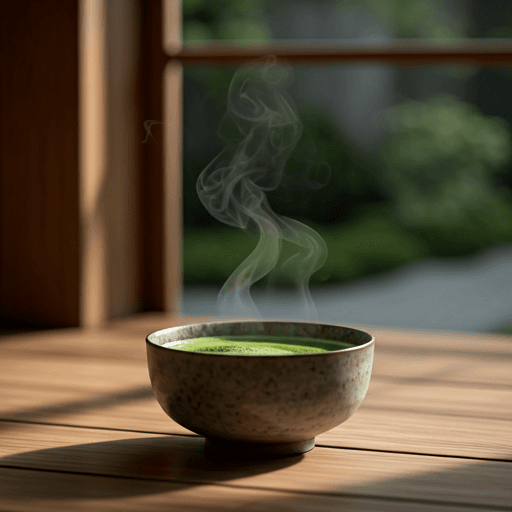
Darjeeling first flush is the earliest spring harvest of tea from the Darjeeling hills — the youngest buds and tender leaves, plucked as the tea bushes wake from their winter rest. The result is a light, floral and delicate cup with a pale, bright liquor and a fresh, almost green character. That fleeting spring quality is a big part of why Darjeeling tea earns its famous nickname, the "champagne of teas."
Grown high in the Himalayan foothills of the Darjeeling district, these teas are prized for a brightness and perfume you simply cannot get later in the year. Here is what "first flush" actually means, how it tastes, how it differs from the season's later pluckings, and how to brew it so it stays sweet rather than turning bitter.
What "first flush" means
A "flush" is a growth spurt — a period when the tea plant pushes out a fresh set of shoots. So what is first flush tea? It is simply the very first plucking of the season, taken from the freshest new growth of spring. In the Darjeeling hills this earliest pick runs roughly from late February through April, once the winter dormancy breaks and the bushes send up their first tender buds and top two leaves.
The plucked leaf itself often looks greenish and silvery, with downy tips still visible. Because these leaves are so young and are only lightly oxidised, first flush darjeeling sits somewhere between a classic black tea and a green tea in character. Pickers take only the newest tips, the leaf is withered and gently rolled, and oxidation is kept short. That restraint is the whole point: it preserves the delicate, springy freshness that defines the harvest.
How Darjeeling first flush tastes
Pour a cup and the first thing you notice is the colour — pale gold to light amber, far lighter than the deep coppery brew most people expect from black tea. The aroma is floral and grassy, sometimes with hints of green apple, fresh hay or muscat grape. On the palate it is light-bodied, brisk and lively, with a gentle astringency and a clean, almost green finish.
Compared with a typical full-bodied black tea, spring Darjeeling tea is far more delicate and aromatic and much less malty or robust. It rewards attention rather than milk and sugar — most drinkers take it plain so nothing masks the perfume. If you want the fuller story on how oxidation shapes the leaf, see our guide to what black tea is, and for the wider family of styles, our overview of the main types of tea.
Because the flavours are so subtle, first flush is a tea to sip slowly and pay attention to. The perfume can shift as the cup cools, opening from fresh and green toward something softer and sweeter. Serve it in a light-coloured cup if you can, so you can admire the pale liquor — for many drinkers, that clarity of colour is half the pleasure.
Is it a black tea or a green tea?
Officially, Darjeeling first flush is classed as a black tea, because it is fully processed like one. In practice, though, the oxidation is so light that many first flush lots drink much closer to a green or a lightly oxidised oolong — bright, vegetal and floral rather than dark and malty. That in-between quality is exactly what makes it so distinctive, and why newcomers are often surprised by how pale and delicate a black tea can be.
Darjeeling first flush vs second flush vs autumnal
Darjeeling is picked in waves across the year, and each flush has its own signature. The darjeeling first flush vs second flush question is the one people ask most, because the two harvests taste noticeably different. Here is a quick decoder:
| Flush | Season | Character |
|---|---|---|
| First flush | Late February – April | Lightest and most delicate; floral, brisk, greenish and fresh, with a pale liquor. |
| Second flush | May – June | Rounder and fuller; the celebrated "muscatel" harvest, with a fruity, grape-like depth and amber liquor. |
| Monsoon flush | July – September | Bolder and plainer; darker and stronger but less nuanced, often used for everyday blends. |
| Autumnal flush | October – November | Darker, smooth and mellow; coppery liquor with a soft, nutty warmth as the year cools. |
If first flush is the crisp, high-note opening of the season, second flush is its rich, ripe middle and the autumnal pick is its gentle, mellow close. Many tea lovers keep a little of each and drink them as the year turns.
How to brew Darjeeling first flush
Because first flush is so delicate, it is easy to scorch. Treat it more like a fine green tea than a sturdy breakfast black:
- Cooler water. Use water around 85–90°C (185–195°F) rather than a rolling boil, which can strip out harsh tannins and turn the cup bitter.
- A shorter steep. Start at about 2–3 minutes and taste; the leaves give up their perfume quickly and over-steeping makes them astringent.
- Enough leaf and room. Use roughly a teaspoon of loose leaf per cup and give the large, wiry leaves space to unfurl.
- No milk. First flush is best enjoyed plain so its floral, springy character comes through.
First flush also happily takes a second and even a third infusion, each one a little different from the last. For step-by-step technique that works for any delicate leaf, see our guide to brewing loose leaf tea.
Why first flush is seasonal and prized
First flush exists only for a few short weeks each spring, and there is no way to hurry it. The bushes have spent winter dormant, concentrating flavour in the buds, and once that new growth is plucked the window closes until the following year. That scarcity — combined with the extra care needed to pick and process such tender leaf — is why the earliest, top-grade lots are so sought after and why the harvest is watched so closely each spring.
For growers, too, the first flush sets the tone for the whole season — the earliest pluckings from the most prized gardens draw the keenest interest, and the buzz around a fresh spring harvest is a yearly event for tea lovers around the world.
It is also why freshness matters more here than with most teas. First flush is at its liveliest within months of picking, so it is worth buying in smaller amounts and drinking it while the spring character is still bright. For the full picture on growing regions, grades and estates, see our Darjeeling tea guide.
Choosing and keeping first flush
Because first flush is prized and produced in small quantities, quality and freshness vary a lot from lot to lot. Look for whole, wiry leaves with plenty of silvery tips rather than dust and broken fragments, and favour the current year's harvest — the packing or harvest date is worth checking. Store the leaves airtight, away from light, heat, moisture and strong smells, which the delicate leaf picks up easily. Kept well and drunk within a year, a good first flush will hold on to the bright, springy freshness that makes it worth seeking out in the first place.
The takeaway
Darjeeling first flush is spring in a cup — the lightest, most floral and most fleeting expression of one of the world's most storied tea regions. Brew it cool and short, drink it plain, and enjoy it soon after it is picked. Once you have tasted that bright, greenish freshness, it becomes easy to understand why this early spring harvest helped earn Darjeeling tea its "champagne" reputation.