
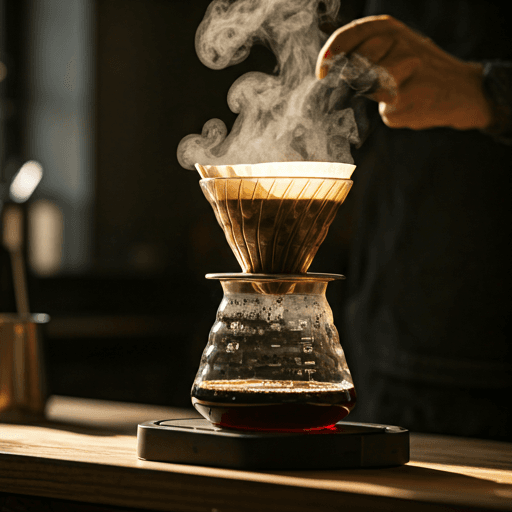
A coffee before a workout is one of the most popular, lowest-cost pre-workouts around, and for a lot of people it genuinely helps. The caffeine can lift alertness, perceived energy and endurance, which is why so many gym-goers sip an espresso or a black filter cup on the way to train. It is usually taken black, roughly 30 to 60 minutes before you start.
Below is what the habit does, when to time it, why plain black is the usual pick, and who should ease off. Responses vary from person to person, and none of this is medical advice.
Does a coffee before a workout actually help?
For most people who tolerate caffeine well, the short answer is: it can. Coffee's active ingredient for exercise is caffeine, and caffeine is one of the most-studied performance aids there is. Research suggests it can modestly improve endurance, power output and time-to-exhaustion, and — maybe more noticeably in everyday training — it tends to lower your perceived effort, so a hard set or a long run can feel a little easier. Many people also simply find they feel more awake and dialed in.
Two things are worth keeping in perspective. First, the effect is real but usually modest, not transformational. Second, it is individual: your genetics, your habitual intake, whether you have eaten recently and how well you slept all shape the response. If you want the background on the molecule itself, see our explainer on what caffeine is, and for the broader picture read whether caffeine is good for you.
Why people reach for coffee as a pre-workout
Using coffee as a pre-workout is popular for a few practical reasons:
- It is low-cost and everywhere. A cup of coffee needs no special supplement — most people already have it in the kitchen or grab one on the way to the gym.
- It is a single, familiar ingredient. Plain coffee is mostly water and caffeine, with no long additive list to think about.
- It doubles as a routine. The ritual of making and drinking it becomes part of the mental switch into "training mode."
- The caffeine is well understood. Because caffeine before exercise has been studied so much, most people roughly know what to expect from it.
None of this makes coffee magic. It mainly delivers caffeine plus a warm, familiar cue — which, for a low-stakes daily workout, is often all people are after.
Timing: when to drink coffee before a workout
Caffeine takes a little while to reach your bloodstream, so timing matters more than most people assume. Peak levels are typically reached around 30 to 60 minutes after you drink it, which is why that window is the common recommendation for a coffee before a workout. Drink it too late and the lift may arrive mid-session or after you have finished; drink it far too early and it can fade before you begin.
A simple, flexible approach many people use:
- Finish your coffee about 30 to 45 minutes before you plan to start moving.
- Give a slightly longer runway before very early-morning sessions, when your stomach may be empty.
- Notice your own pattern over a few workouts and adjust — some people feel it faster, some slower.
How much? Keep it inside your daily caffeine
There is no single "correct" dose, and this guide won't hand you milligram targets. The sensible frame is simple: whatever you drink before training still counts toward your total for the day, so keep it inside a comfortable daily amount rather than stacking it on top of an already caffeine-heavy routine. Sports research often studies servings in the region of a cup or two of coffee taken before exercise, but the amount that feels good — and doesn't leave you jittery or wired — varies a lot between people. For general limits, see how much caffeine per day is typically considered reasonable, and treat any number as a starting point to adjust from, not a rule.
Why black coffee before the gym is usually best
Most people reach for black coffee before the gym for one plain reason: it sits lightly. Heavy cream, lots of milk and spoonfuls of sugar add fat and volume that can feel sloshy or sluggish during jumping, lifting or running, especially close to the session. Black coffee gives you the caffeine and the warmth with very little to digest.
Black also keeps things simple — it is essentially just water and coffee, so you are not adding much beyond the caffeine right before you move. That is a comfort point, not a health verdict: a splash of milk is fine if that's what you enjoy and it doesn't upset your stomach. If you like the plain-black habit generally, our guide to black coffee benefits covers the wider appeal. The pre-workout takeaway is narrow: lighter in the stomach usually feels better mid-workout than a rich, milky, sugary cup.
Who should be cautious
Coffee before training isn't for everyone, and a few situations call for a lighter touch:
- Caffeine-sensitive people. If coffee tends to make you anxious, shaky, nauseous or gives you a racing heart, a pre-workout dose can amplify that once your heart rate is already up. Go smaller, or skip it.
- Late-day and evening workouts. Caffeine lingers in the body for hours, so an afternoon or evening cup can quietly eat into your sleep. Better sleep matters more for training than a small caffeine bump — so for later sessions, many people cut back or choose decaf.
- Hydration. Coffee is not a substitute for water. Drink water alongside and during your session as usual, particularly for longer or sweatier workouts.
- Empty-stomach discomfort. Some people find strong coffee on a completely empty stomach unsettling before exertion. A little food, or a smaller cup, can help.
- Anyone managing a health condition or on medication. If caffeine is something you have been told to watch, check with a professional rather than a guide.
Pre-workout coffee vs commercial pre-workout powders
Where does a plain cup sit next to a scoop of commercial pre-workout? The honest answer is that they overlap more than the marketing suggests, but they aren't identical.
Coffee's exercise benefit essentially begins and ends with caffeine. Commercial pre-workout powders usually start from caffeine too, then add other ingredients — things like beta-alanine, creatine, and nitric-oxide precursors — plus flavoring and a printed dose on the label. The main practical trade-offs:
- Predictable dose: a powder tells you exactly how much caffeine is in a scoop; a cup of coffee varies by bean, roast and brew.
- Simplicity: coffee is one familiar ingredient, whereas a multi-ingredient powder is, well, several.
- Purpose: for the endurance-style, caffeine-driven benefit, plain coffee often does much the same job; powders lean toward people chasing specific high-intensity or strength goals from the extra ingredients.
Neither is automatically "better." If you mainly want the caffeine effect with minimal fuss, a coffee before a workout is hard to beat. If you specifically want the other ingredients and a labeled dose, a powder is built for that. Just remember the caffeine in both counts toward the same daily total — don't double up without noticing.
Quick answers: coffee before a workout
| Question | Quick answer |
|---|---|
| Is coffee good before a workout? | For many people, yes — caffeine may aid endurance and lower perceived effort. Responses vary. |
| When should I drink it? | Commonly about 30 to 60 minutes before you start, so it peaks as you train. |
| Black or with milk? | Black is usually the lighter choice; heavy cream and sugar can feel sloshy mid-session. |
| How much? | Keep it inside your comfortable daily caffeine amount — no need to overdo it. |
| Coffee or a pre-workout powder? | Overlap is large; coffee gives the caffeine simply, powders add other ingredients and a set dose. |
| Who should go easy? | Caffeine-sensitive people, late-day trainers, and anyone told to watch caffeine. |
The bottom line
A coffee before a workout is a simple, low-cost habit that many people find helps them feel more alert and train with a little less perceived effort. Take it black, aim for roughly 30 to 60 minutes before you start, keep it inside your normal daily caffeine, and pay attention to how your own body and sleep respond. It is a small edge and a pleasant ritual — not a miracle, and not medical advice — so let your own experience be the guide.