
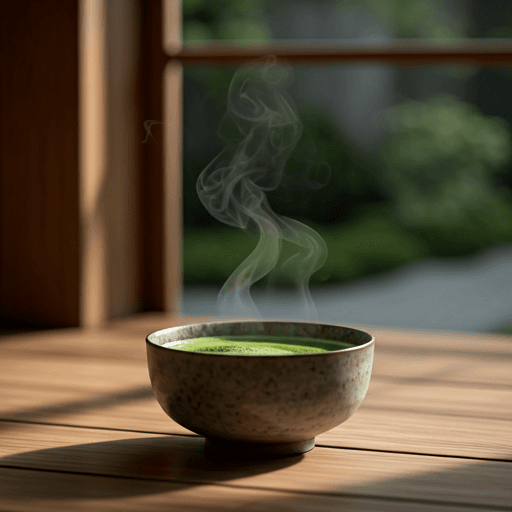
Bitter melon tea is a caffeine-free herbal infusion made from dried slices of bitter melon — the knobbly green gourd known as bitter gourd or karela — steeped into a pale, grassy, and distinctly bitter cup. Many people sip it as a traditional wellness drink across Asian and tropical kitchens, and it is very much an acquired taste that rewards a little patience. Below is what it is, how to brew it, how to temper its sharp edge, and a few honest notes on who might want to skip it.
What is bitter melon tea?
Bitter melon tea is a herbal infusion — technically a tisane rather than a "true" tea, because it contains none of the leaves from the Camellia sinensis plant that give us green, black, or oolong tea. Instead, it is brewed from the fruit of the bitter melon vine, most often dried and thinly sliced, though you can also simmer the fresh gourd. With no tea leaves involved, the cup is naturally caffeine-free, so it fits an evening just as easily as a morning. You will see the same drink sold as bitter gourd tea or karela tea — different names for one sharply bitter brew. If the whole category is new to you, our guide to what herbal tea is and the explainer on what a tisane is put it in context.
What bitter melon (bitter gourd, karela) is
Bitter melon is the fruit of Momordica charantia, a climbing vine grown across the warm, humid parts of Asia, Africa, the Caribbean, and South America. The gourd is unmistakable: a pale-to-deep green pod with a warty, ridged skin, a spongy white interior, and flat seeds that are usually scooped out before cooking. It is one of the most genuinely bitter foods people eat by choice.
The vegetable is a staple of many South Asian, East Asian, and Southeast Asian kitchens, where it is stir-fried, stuffed, curried, or dropped into soups. In Okinawa it stars in the stir-fry goya champuru; in southern China it is known as ku gua. For tea, the fruit is sliced thin and dried until crisp — sometimes lightly roasted — which concentrates the flavor and makes it easy to store and steep.
How to make bitter melon tea
Learning how to make bitter melon tea takes about ten minutes, and there are two easy routes: steep dried slices, or simmer the fresh gourd. Dried slices are the more common and forgiving option.
From dried slices: use roughly 1 to 2 teaspoons of dried bitter melon (or two or three slices) per cup. Pour over hot water just off the boil, around 90–95°C (194–203°F), cover, and steep for 5 to 10 minutes. Strain and taste — start at the shorter end, since the bitterness builds fast.
From the fresh gourd: slice a small piece thinly, scoop out the seeds if you like a slightly milder cup, and simmer the slices gently in water for 10 to 15 minutes. Strain and serve.
Either way, you can soften the cup with honey, a squeeze of lemon, a slice of fresh ginger, or by blending it with a mild green tea or mint. The table below sums up the process.
| Step | Tip |
|---|---|
| Choose your form | Dried slices are easiest and store well; fresh gives a greener, more vegetal cup. |
| Measure | Start light — 1–2 tsp dried, or 2–3 slices per cup. You can always steep stronger next time. |
| Heat the water | Just off the boil (about 90–95°C / 194–203°F) is plenty; you don't need a rolling boil. |
| Steep or simmer | Steep dried slices 5–10 minutes; simmer fresh slices 10–15 minutes. Longer means more bitter. |
| Strain | Remove the slices promptly so the brew doesn't keep sharpening as it sits. |
| Soften to taste | Honey, lemon, ginger, or a splash of green tea take the edge off without hiding the character. |
How bitter melon tea tastes — and how to temper it
There is no getting around it: bitter melon tea is bitter. The flavor is clean and vegetal, grassy and green, with a bitterness that lingers on the back of the tongue the way strong dark chocolate or an olive does. Brewed pale, it is drinkable and even refreshing; brewed strong, it is bracing. Most newcomers find it an acquired taste, and that is completely normal.
If the first cup is too much, temper it rather than give up:
- Steep for less time and use fewer slices.
- Stir in honey or another sweetener to balance the bitterness.
- Add lemon, lime, or a slice of ginger for brightness.
- Blend it with a gentle green tea, mint, or toasted barley for a rounder cup.
- Serve it iced — chilling noticeably mellows the bitter edge.
Many regular drinkers build up gradually, starting mild and letting their palate adjust over a couple of weeks until the bitterness reads as pleasant rather than punishing.
Bitter melon tea benefits people talk about
Talk of bitter melon tea benefits usually centers on old folk traditions. In several cuisines the gourd has traditionally been used as a digestive and a "cooling" bitter, and some people drink the tea specifically because bitter melon has long been associated with blood-sugar balance. It is worth being clear-eyed here: scientific research on bitter melon is limited and mixed, and none of it makes the tea a treatment, a cure, or a substitute for anything a doctor might prescribe.
What can be said plainly is modest. The brew is caffeine-free, so it will not keep you awake or add to a daily caffeine load — a genuine plus if you are cutting back. It carries the plant's naturally bitter compounds, which is exactly why it tastes the way it does. Beyond that, any wellness claim should be hedged: responses vary from person to person, the benefits people describe are largely traditional and anecdotal rather than proven, and this is general information, not medical advice. If you are drawn to teas for how they make you feel, our roundups of anti-inflammatory teas and the benefits of green tea cover other gentle, caffeine-light options in the same spirit.
Who might want to skip bitter melon tea
Because bitter melon is a potent botanical, a few people should be cautious. It has traditionally been avoided during pregnancy, so anyone pregnant or trying to conceive should steer clear unless a healthcare provider says otherwise. If you take medication — especially anything that lowers blood sugar — bitter melon may interact with it, and you should check with your own doctor first. The same goes for people who are breastfeeding, managing an ongoing health condition, or thinking of giving it to children.
Even for everyone else, a very strong, very bitter brew can unsettle a sensitive stomach, so it is sensible to start with a mild cup and see how you feel. None of this is meant to alarm — it is simply a reminder that "natural" does not mean "right for everyone," and that a quick word with a professional is the sensible move if you have any doubt at all.
Making bitter melon tea part of your week
Bitter melon tea is unlikely to be love at first sip, but it is one of the more characterful caffeine-free cups you can brew — a drink that treats bitterness as a feature rather than a flaw, much like espresso, dark chocolate, or a good bitter aperitif. Brew it light, temper it to taste, and let the ritual grow on you. Approached with curiosity and a little honey on standby, that sharp green cup can become a surprisingly satisfying part of the week.