
Knowledge Base
Coffee & Tea Guides
Brew better and explore more — buying guides, how-tos, and explainers for every coffee and tea ritual.
Explainer
Percolator vs Drip Coffee: What's the Difference?
A percolator recycles boiling water through the grounds for a bold, robust cup, while a drip maker brews just once for a cleaner, smoother result. Here is how the two methods really differ in strength, taste, and everyday convenience.
Explainer
AeroPress vs Pour Over: What's the Difference?
AeroPress vs pour over: both brew a clean single cup, but the AeroPress uses pressure and a short steep for a smooth, forgiving brew while pour-over uses gravity for a brighter, more delicate cup. Here's how they differ and which to choose.
Explainer
Coffee Body and Mouthfeel, Explained
Coffee body is how a cup feels in your mouth — its weight and texture, from thin and watery to thick and syrupy. Here is what drives it, why a French press feels fuller than a pour-over, and how to taste and adjust it.
Explainer
Single Shot vs Double Shot Espresso: What's the Difference?
A single shot pulls about 7-9 g of coffee for 1 oz of espresso, while a double uses around 18 g for 2 oz. Here is how single shot vs double shot compare on dose, caffeine, strength and consistency — and why the double is the modern cafe default.
Explainer
Caffeine Crash: Why Coffee Wears Off Hard
A caffeine crash is the slump that hits after coffee wears off. Here's what causes the dip, the symptoms to spot, and simple ways to soften it.
Explainer
Is Instant Coffee Bad for You? What the Science Actually Says
For most people, instant coffee is not bad for you — it is real brewed coffee dried into granules, carrying similar caffeine and antioxidants. Here is the honest, hedged rundown, plus the one thing actually worth moderating.
Explainer
Does Espresso Have More Caffeine Than Coffee?
Per serving, a single shot of espresso usually carries less caffeine than a mug of drip coffee, yet it is far more concentrated per ounce. Here is what the numbers really say about espresso vs coffee caffeine.
Explainer
Does Hibiscus Tea Have Caffeine?
Pure hibiscus tea is naturally caffeine-free because it is a herbal tisane made from the hibiscus flower, not the tea plant. Here is why, plus the blends and bottled drinks that do sneak caffeine in.
Explainer
Black Tea on an Empty Stomach: Is It Bad?
Black tea on an empty stomach is fine for many people but can trigger nausea, acidity or jitters in sensitive drinkers. Here is why it happens and how to make your morning cup gentler.
Explainer
How Much Black Tea Per Day? A Simple, Hedged Guide
For most healthy adults, about 3-4 cups of black tea a day is a common, generally safe amount. Here's the caffeine and tannin math, plus who should sip less.
Explainer
Is Tea a Diuretic? What Caffeine Really Does
Yes, tea is a mild diuretic because of its caffeine, but the effect is small, regular drinkers adapt, and the water in the cup keeps tea net-hydrating in normal amounts.
Explainer
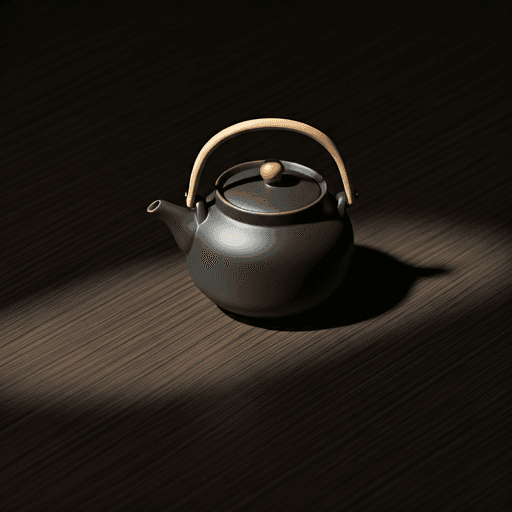
Hojicha vs Genmaicha: What's the Difference?
Hojicha is roasted green tea; genmaicha is green tea blended with toasted brown rice. Here is how the two compare on taste, caffeine and brewing.
Explainer
Ceylon vs Assam Tea: What's the Difference?
Ceylon and Assam are both famous black teas, but one is bright and citrusy while the other is bold and malty. Here is how they compare on flavor, body, milk, caffeine and brewing — and which to reach for.
Explainer
Ristretto vs Lungo: What's the Difference?
Ristretto vs lungo is really a question of water: a ristretto is a short, restricted, concentrated shot, while a lungo is a long, larger, milder and slightly more bitter one pulled from the same coffee.
Explainer
Cappuccino vs Macchiato: What's the Difference?
Cappuccino vs macchiato comes down to milk: a cappuccino is a bigger, creamy espresso-and-milk drink, while a classic macchiato is a small, bold shot barely marked with foam. Here is how size, strength, foam and taste compare, plus which to order.
Explainer
Cortado vs Cortadito: What's the Difference?
They sound almost identical, but a cortado is a small, usually unsweetened Spanish espresso-and-milk drink, while a cortadito is its sweeter Cuban cousin. Here is the difference, side by side.
Explainer
Moka Pot vs Espresso: What's the Difference?
A moka pot makes a strong, concentrated coffee often called "stovetop espresso," but it isn't true espresso. Here's how pressure, crema, taste and technique separate the two — and how to choose the one for your kitchen.
Explainer
Pour Over vs Drip Coffee: What's the Difference?
Pour over vs drip coffee comes down to who holds the kettle: a hands-on manual brew for a brighter, more nuanced cup, or an automatic machine for easy, consistent volume. Here is how the two methods really compare on control, taste, effort, and gear.
Explainer
Updosing Espresso: What It Means and When to Do It
Updosing espresso means loading more coffee than your basket's rated dose for a stronger, sweeter, more forgiving shot. Here is what it changes, the trade-offs, and how to do it without choking the shot.
Explainer
What Is a God Shot in Espresso?
A god shot is barista slang for a near-perfect shot of espresso, where the grind, dose, temperature and timing all line up into one exceptionally balanced, sweet, syrupy pull. Here's what makes a shot god-tier, the variables that must align, and why it's so hard to repeat.
Explainer
Coffee Acidity, Explained
In coffee tasting, acidity is a good thing: the bright, tangy, lively quality that makes a cup taste vivid instead of flat. Here is what drives it, the acids behind it, and how to taste more or less brightness in your brew.
Explainer
The Coffee Flavor Wheel, Explained
A plain-language guide to the coffee flavor wheel: what it is, where it came from, and how to read it from broad families out to specific tasting notes.
Explainer
Coffee Before Bed: How Late Is Too Late?
Coffee before bed can make it harder to fall asleep and quietly lower sleep quality, because caffeine blocks your sleepiness signal and lingers for hours. Here is how late is too late, why some people seem to sleep fine anyway, and gentler evening swaps.
Explainer
Does Coffee Dehydrate You? What Hydration Science Actually Says
The short answer: for most people, in normal amounts, coffee does not dehydrate you. Caffeine is only a mild diuretic, and the water in your cup more than makes up for it — so moderate coffee still counts toward your daily fluids.