
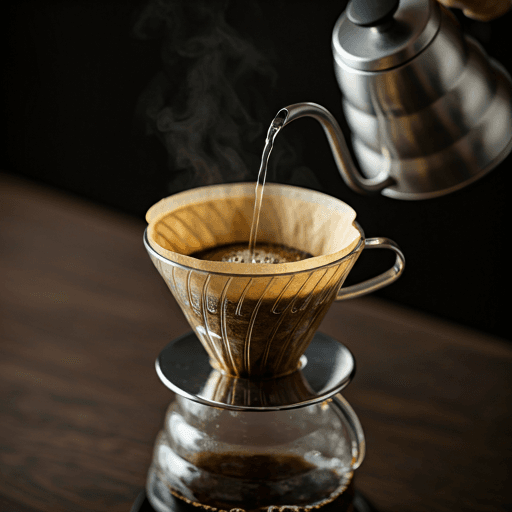
A god shot is barista slang for a near-perfect shot of espresso — one where the grind, dose, temperature and timing all happen to line up to produce a cup that is exceptionally balanced, sweet and almost syrupy, noticeably better than your usual pull. It is a bit of a holy grail: something you chase across dozens of shots but can never quite promise. And because taste is personal, what counts as a god shot is subjective — your idea of a perfect espresso shot might read as merely very good to the person standing next to you.
That is the honest version of the answer. A god shot is not a fixed standard you can order or a recipe you can follow to the letter. It is the moment your everyday routine briefly overshoots itself, and everything that usually goes slightly wrong happens to go exactly right.
What does a god shot mean?
The term comes from café and home-barista culture, where pulling espresso is equal parts craft and chase. Most shots are fine. Some are good. Then, once in a while, everything aligns and the espresso is so clean, sweet and expressive that it feels like a small gift — hence the only-slightly-tongue-in-cheek name. Ask ten baristas "what is a god shot?" and you will get ten slightly different answers, but they all circle the same idea: the best shot that particular coffee, machine and person can produce on that particular day.
The god shot meaning is really about a ceiling rather than a baseline. It is worth noting that the bar moves, too. A newer barista might feel they pull a god shot every week; someone with years behind the machine, whose standards keep climbing, might reserve the phrase for a handful of shots a year. Either way, people talk about getting a god shot rather than making one on demand — the wording captures both the delight and the unpredictability.
What makes a shot "god-tier"?
A god shot is defined by balance. Espresso concentrates everything in the coffee, so any flaw is amplified: a touch too much bitterness, a sharp sourness, a thin or hollow body. When a shot reaches god-tier, none of those rough edges show. The things baristas point to are:
- Balance — sweetness, acidity and body sit in harmony, with no single element shouting over the others.
- Even extraction — water has moved through the whole coffee bed evenly, pulling flavor uniformly rather than over-brewing one channel and under-brewing another.
- Lush crema — a thick, fine, reddish-brown crema that settles slowly, a visual cue that the extraction went well.
- Clarity and sweetness — the individual flavors are distinct and "singing," often with a lingering sweetness that stays on the palate long after the last sip.
- Texture — a syrupy, almost viscous mouthfeel rather than something watery or hollow.
For the mechanics of the drink itself — the small volume, the concentrated liquid, why it behaves so differently from filter coffee — see our explainer on what an espresso shot is. A god shot is simply that same shot at its most expressive.
The variables that have to align
A god shot is not one thing done right; it is a whole stack of things done right at the same moment. Miss any single link and the shot drifts toward sour, bitter or flat. Here is roughly where each variable needs to land for a shot to have a chance at greatness.
| Variable | Where it needs to be for a god-tier shot |
|---|---|
| Beans and freshness | Fresh, well-rested beans, often roughly 7 to 21 days off roast, suited to espresso; stale or too-fresh coffee fights you. |
| Roast | A roast you genuinely enjoy as espresso, stored airtight and used consistently so shots stay comparable. |
| Grind | Dialed in and even, adjusted in tiny steps; too coarse runs fast and sour, too fine chokes and turns bitter. |
| Dose | The right weight of grounds for your basket, measured the same way every time. |
| Distribution and tamp | Grounds spread level with no clumps, then a straight, even tamp — the foundation for even extraction. |
| Brew ratio | A balanced ratio of dry coffee to liquid espresso, kept steady so you can actually compare one shot to the next. |
| Water temperature | Stable and correct, commonly around 90 to 96°C (195 to 205°F), depending on the coffee. |
| Pressure | In the region of 9 bar at the puck for a classic shot. |
| Shot time | Roughly 25 to 30 seconds from the first drops for many recipes, give or take. |
| The taste in the cup | Sweet, balanced and clean, with acidity and bitterness in check — the only judge that ultimately matters. |
Two of those levers deserve their own reading. Dialing in the espresso grind size is usually the single biggest variable you will touch, and settling on a balanced espresso brew ratio tells you how much liquid to pull from a given dose. This piece leaves the full mechanics of each to those guides — the point here is simply that all of them have to cooperate at once.
Why a god shot is so hard to repeat
The frustrating magic of the god shot is that pulling one does not mean you can pull it again. Coffee is a moving target. Beans keep releasing carbon dioxide as they age, so a bag that ran perfectly on Tuesday behaves differently by the weekend. Humidity in the room can subtly shift how the grounds pack and how water flows through them. Even the ambient temperature and how warm your machine is can nudge the result.
Then there is the human margin. A tamp that lands a hair off level, a distribution that leaves one clump, a grinder that holds back a little coffee from the last shot — any of these can open a channel where water races through and pulls the extraction out of balance. That is why a god shot so often feels like it arrives by surprise: the exact combination that produced it was never quite fully in your control, and it quietly changes the moment you turn away.
The better you get, the rarer the god shot feels — not because your coffee is getting worse, but because your palate keeps raising the bar for what counts.
How to pull a god shot (without chasing your tail)
You cannot force a god shot into existence, but you can stack the odds heavily in your favor. The approach every barista comes back to is methodical dialing in: change one variable at a time, taste, adjust, and keep notes so you can find your way back to a good result instead of guessing from scratch. If a shot ran too fast and tasted sour, you tighten the grind slightly and pull again; if it choked and turned bitter, you loosen it. You hold everything else steady while you hunt.
Notes matter more than they sound. Jotting down the dose, grind setting, shot time and how it tasted turns a lucky pull into something you can at least try to reproduce, and it stops you chasing your own tail across a dozen contradictory changes. For the full step-by-step routine — how to work through grind, dose, ratio and time in order — follow our guide on how to dial in espresso. This article deliberately hands off that process rather than repeating it.
The short version of how to pull a god shot: get consistent first, then get picky. Once your everyday shots are reliably good, the great ones start to surface on their own.
The honest caveat: part skill, part luck
Here is the part no gadget will fix. A god shot is partly luck and entirely a matter of taste. Two skilled baristas can disagree about whether the same espresso qualifies, because "perfect" lives on the tongue, not on a scale. Chasing one is a genuinely fun pursuit and a great way to sharpen your technique, but treating it as a strict pass-or-fail target is a fast route to frustration.
A healthier framing: aim for consistently delicious espresso, and let the god shots be the occasional bonus. When one does land — that rare pull that is sweet, syrupy and lingers for ages — enjoy it fully, take a mental note of everything you did, and accept that the next one will arrive on its own schedule. That elusiveness is not a bug. It is exactly what makes the god shot worth talking about.