
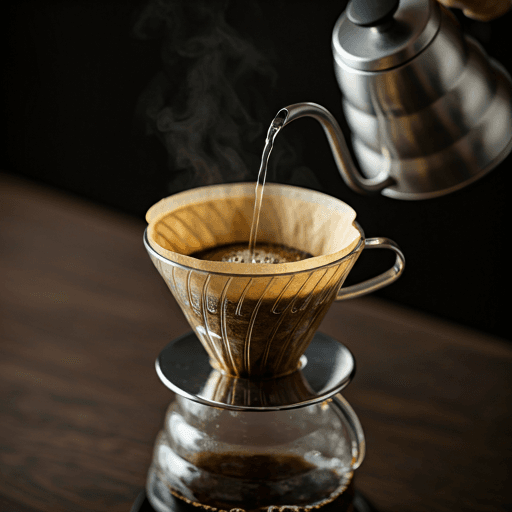
In the cortado vs cortadito comparison, the short answer comes down to two things: sugar and origin. A cortado is a small Spanish drink of espresso "cut" with an equal part of warm steamed milk, and it is usually served unsweetened. A cortadito is its Cuban cousin — the same idea of a tiny espresso-and-milk drink, but sweetened, traditionally with sugar whipped into the first drops of espresso to create a creamy foam. Both land around four ounces, which is exactly why the two get mixed up.
They share a family tree, too: each takes a single shot of espresso and tames it with just a little milk rather than drowning it in a tall glass. The difference is in the finish. One stays clean and balanced; the other turns sweet and silky. Below we break down each drink, explain where the names come from, and line the two up side by side so you can order or make either with confidence.
What a cortado is
A cortado is a Spanish espresso drink built on a simple idea: take a shot of espresso and "cut" its sharp edge with roughly an equal part of warm, lightly textured steamed milk. The result is small — usually around four ounces — smooth, and balanced, with the espresso still clearly in charge. There is little to no thick foam, unlike a cappuccino, and it is traditionally unsweetened, so the coffee's origin character and roast come through.
Because the milk-to-espresso ratio sits near even, a cortado lands between a bolder macchiato and a milkier flat white. It is frequently served in a small glass, sometimes called a gibraltar, so you can see the espresso and milk meet. We keep the full story of ratios, milk texture, and serving style in our guide to what a cortado is — here we are focused on how it stacks up against its sweeter relative.
What a cortadito is
A cortadito is the Cuban take on a small espresso-and-milk drink, and the headline feature is sweetness. Is a cortadito sweet? Yes — that is the entire point. It begins like Cuban espresso: sugar is added as the coffee brews and is beaten together with the first dark, syrupy drops to form a pale, sugary foam called espuma. That sweet foam is then topped with a splash of steamed milk, producing a drink that is small, strong, and almost dessert-smooth.
So a cortadito is close in size to a cortado but reads far sweeter and often feels punchier. The sugar is not stirred in at the end as an afterthought; it is whipped into the crema so the whole cup carries it. For the espuma method step by step, see our cortadito guide; for the unsweetened shot it grows out of, read about Cuban espresso, or cafecito.
Cortado vs cortadito: the key difference
The key difference between cortado and cortadito is sugar and origin. A cortado is Spanish and typically unsweetened; a cortadito is Cuban and sweetened, usually with sugar whipped into the espresso to make espuma. Nearly everything else — the small size, a near-equal splash of milk, espresso doing the heavy lifting — is broadly shared. In other words, cortadito vs cortado is less a battle of recipes and more a question of whether sugar is built into the drink from the very first drop.
This is also why the two are so easy to confuse on a menu. Both are "espresso with a little milk," both are small, and both are served quick. If a barista hands you an unsweetened one, it is behaving like a cortado; if it arrives sweet with a whipped, foamy top, that is the cortadito showing its Cuban roots.
Where the names come from
The names hint at the relationship. "Cortado" is Spanish for "cut," describing how the milk cuts the espresso's intensity. "Cortadito" is a diminutive — a little cortado — and in Cuban usage it points to that small, sweet, milk-topped shot. Same root word, two coffee cultures, one crucial spoonful of sugar between them. Knowing the etymology makes the drinks easy to remember: cut equals cortado, little-and-sweet equals cortadito.
Size and ratio
Both drinks are small by design. A cortado is generally about four ounces, and a cortadito often sits in the same small, roughly two-to-four-ounce range. In each case the espresso-to-milk ratio hovers near even, so neither becomes the "coffee-flavored milk" that a large latte can be. The practical difference is perception: because the cortadito carries dissolved sugar and usually a touch less added milk, it can taste stronger, sweeter, and more concentrated even at a similar volume. Caffeine tracks the number of espresso shots, so a single-shot cortado and a single-shot cortadito are broadly comparable there — the sugar changes the flavor, not the caffeine.
Taste and how each is served
A cortado tastes balanced and mellow. The milk softens the espresso's bite without hiding it, and there is no sweetness unless you add it yourself. It is often served in a small clear glass so you can admire the layers, and it works well as a mid-morning coffee when you want something short but not harsh.
A cortadito tastes sweet and creamy up front, with the espuma lending a light, almost whipped texture over a strong espresso base. It is a classic quick pick-me-up — sipped fast, small, and social. If you like the "espresso marked with a little milk" idea but without any sugar, the traditional espresso macchiato is an even closer relative than either of these, since it uses the least milk of the group.
Cortado vs cortadito comparison table
| Attribute | Cortado | Cortadito |
|---|---|---|
| Origin | Spain | Cuba |
| Sweetened? | Usually no | Yes — sugar built in |
| Signature move | Milk "cuts" the espresso | Sugar whipped into first drops for espuma foam |
| Size | About 4 oz | Small, roughly 2-4 oz |
| Espresso-to-milk | Roughly equal | Roughly equal, often a touch less milk |
| Milk | Warm steamed milk, little foam | Splash of steamed milk over sweet espuma |
| Taste | Balanced, smooth, unsweetened | Sweet, creamy, punchy |
| Best for | A clean, balanced sip | A sweet little pick-me-up |
Which should you choose?
Choosing cortado or cortadito comes down to what your palate wants in the moment. Reach for a cortado when you want a clean, balanced sip that showcases the espresso and lets you decide on sweetness yourself. Reach for a cortadito when you want a small, sweet, energizing treat with that signature espuma foam already built in. Neither drink is "better" than the other — they are two cultural answers to the same question of how to take the edge off a shot of espresso. If you are new to both, try them back to back on the same beans; the contrast makes each one's personality obvious.
Cortado and cortadito show how a single tweak — a spoonful of sugar beaten into the crema — can turn one small coffee tradition into two distinct favorites. Learn the base drinks they build on and you will be able to order, or make, either with confidence, and taste for yourself exactly why a few grams of sugar change everything.