
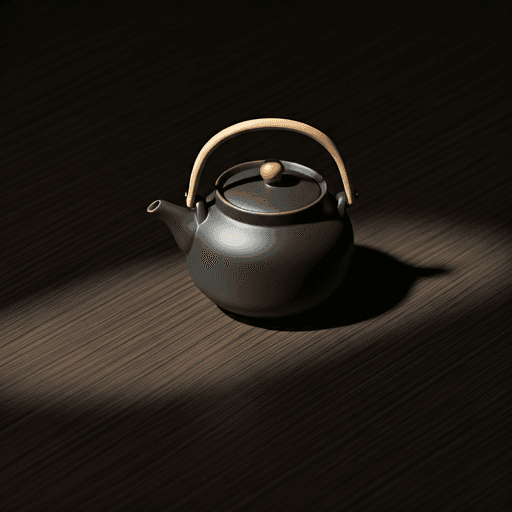
Hojicha vs genmaicha is a comparison between two of Japan's coziest, most low-key green teas — but they are made in completely different ways. Hojicha is green tea that has been roasted, which turns the leaves reddish-brown and gives a toasty, caramel-sweet, naturally low-caffeine cup. Genmaicha is green tea blended with roasted, popped brown rice, producing a nutty, savory, popcorn-like brew. Both are gentle and forgiving, so the choice usually comes down to whether you want roasty warmth or grainy comfort.
Neither is a fancy, ceremonial tea meant for careful whisking. These are the everyday, after-dinner, drink-a-big-mug-of-it teas of Japan — the kind you reach for when a delicate sencha would feel like too much. Below is a full breakdown so you can tell the two apart and decide which belongs in your cupboard.
Hojicha vs genmaicha at a glance
If you only remember one thing, make it this: hojicha is about a roasted leaf, while genmaicha is about a green leaf plus toasted rice. That single distinction drives almost every other difference — color, flavor, aroma and caffeine. Here is the quick decoder.
| Attribute | Hojicha | Genmaicha |
|---|---|---|
| What it is | Green tea that has been roasted | Green tea blended with toasted brown rice |
| Origin | Japan | Japan |
| Base leaf | Usually bancha (mature leaves and stems), fired until brown | Usually bancha or sencha, sometimes dusted with a little matcha |
| Color of the brew | Reddish-brown to amber | Pale gold to light greenish-yellow |
| Aroma | Toasty, caramel, woody, almost coffee-like | Warm, grainy, like fresh popcorn or toasted rice |
| Flavor | Roasty, sweet, mellow, low on bitterness | Nutty, savory, grainy, comforting |
| Caffeine | Low (roasting reduces it) | Low to moderate (rice dilutes the leaf) |
| Water temperature | Hot, near-boiling is fine | Hot, roughly 80–90°C / 175–195°F |
| Forgiving to brew? | Very — hard to over-steep | Very — hard to over-steep |
| Best for | Evenings, after meals, caffeine-sensitive drinkers | Meals, an easygoing daytime or evening cup |
What hojicha is
Hojicha (焙じ茶) is Japanese green tea that has been roasted in a pan or drum over high heat until the leaves shift from green to a warm chestnut brown. That roast is the whole story: it caramelizes sugars in the leaf, mellows the grassy, vegetal notes you get in an unroasted green tea, and drives off a good chunk of the caffeine. The result is a smooth, toasty, slightly sweet cup that many people describe as tasting almost like a very light coffee or roasted nuts.
Most hojicha starts life as bancha — the more mature leaves and stems harvested later in the season — although higher grades can be made from sencha or from stems alone (kukicha). Because the roast dominates, hojicha is remarkably low in astringency and bitterness, which is a big reason it is often served to children and in the evening. If you want the full origin story, the roasting styles and the leaf grades, our companion guide on what hojicha is as a roasted green tea goes deeper than we will here.
What genmaicha is
Genmaicha (玄米茶) takes a different route to the same easygoing feel. Instead of roasting the leaf, it blends green tea — usually bancha or sencha — with toasted brown rice, some of which pops during toasting and looks a little like miniature popcorn. That earned genmaicha its affectionate nickname, "popcorn tea." Some versions are further dusted with a bit of matcha powder (often labeled matcha-iri genmaicha), which deepens the color and adds a touch of green richness.
The toasted rice brings a nutty, savory, slightly starchy quality that softens the tea's edges and makes the cup taste warm and grainy rather than sharp. Historically it was an economical way to stretch tea leaves with rice, but today it is loved on its own merits as a comforting, food-friendly brew. For the full breakdown of the rice, the leaf grades and the history, see our dedicated explainer on genmaicha, the toasted-rice green tea.
The key difference between hojicha and genmaicha
Here is the heart of the matter. The difference between hojicha and genmaicha is a roasted leaf versus a green leaf plus toasted rice. Hojicha changes the tea itself by applying heat to the leaves; genmaicha leaves the tea green and adds a second ingredient — rice — to the mix.
That is why the two look so different in the cup. Hojicha brews reddish-brown because the leaf has been caramelized by roasting. Genmaicha brews a much paler gold or light green because the leaf is still an unroasted green tea; the color and flavor twist comes from the rice steeping alongside it. In short: think "roasted vs brown rice green tea," and you have the cleanest one-line summary of genmaicha vs hojicha. Both belong to Japan's broad family of everyday greens, and if you want to see where they sit next to sencha, gyokuro, matcha and the rest, our overview of Japanese tea types maps the whole lineup.
Taste: roasty caramel or nutty popcorn
This is where most people make their pick. Hojicha leans roasty and sweet — toasted caramel, a little wood, a whisper of chocolate or coffee, and a soft, round finish with almost no bitterness. It is the more "warming" of the two and reads as comforting rather than refreshing.
Genmaicha leans nutty, grainy and savory. You still get the light green-tea backbone underneath, but the toasted rice adds that unmistakable popcorn, cereal-like note that makes the cup taste almost like a light broth. Where hojicha tastes like something roasted, genmaicha tastes like something toasted and toasted-grain savory. If you enjoy the roasted character of hojicha but want to understand how it differs from an unroasted green leaf, our comparison of hojicha vs sencha covers that side by side.
Caffeine: both gentle, for different reasons
Both teas are on the lower end of the caffeine scale, which is a big part of their appeal — but they get there by different mechanisms. Hojicha is naturally low in caffeine because the high-heat roasting breaks down some of the caffeine in the leaf. Genmaicha is lowered mostly by dilution: because roughly half the blend is rice rather than tea leaf, each cup carries less leaf, and therefore less caffeine, than a straight green tea.
In practice, both tend to feel gentle, and many people happily drink them later in the day. Exact numbers vary a lot by leaf grade, how much rice is in the genmaicha blend, how much leaf you use and how long you steep, so treat any figure you see as a rough guide rather than a promise. Matcha-dusted genmaicha will run a little higher than the plain version. Responses to caffeine vary from person to person, and this is general information rather than medical advice — if caffeine sensitivity, pregnancy or sleep is a concern for you, check with your own healthcare provider.
Brewing: two of the most forgiving teas you can make
Good news if you are new to loose-leaf tea: both hojicha and genmaicha are hard to get wrong. Neither turns bitter easily, so you do not need the careful, cooler-water technique that a delicate gyokuro demands.
Brewing hojicha
Hojicha loves hot water — near-boiling is completely fine, since the roast has already stripped out most of the compounds that would go bitter. Use about a teaspoon of leaf per cup, pour on freshly boiled water, and steep for 30 seconds to a minute or two. It is very difficult to over-steep, so err on the generous side if you like it bold.
Brewing genmaicha
Genmaicha is nearly as easygoing. Because there is still a green leaf in the mix, slightly cooler water (roughly 80–90°C / 175–195°F) keeps it smooth, but the rice buffers the tea so a hot pour rarely ruins it. Steep for around 30 seconds to a minute. Both teas also take well to milk if you like a latte-style drink, and hojicha in particular makes an excellent, mellow base for a warm milky cup.
When to drink each — and which to choose
Both are classic evening and mealtime teas in Japan, precisely because they are low in caffeine and easy on the palate. Genmaicha's savory, grainy character makes it a natural partner for food — it stands up beautifully to rice dishes, sushi, dumplings and anything with umami. Hojicha's roasty sweetness makes it a lovely after-dinner or wind-down cup, and it pairs especially well with desserts and baked goods.
So, hojicha or genmaicha? Reach for hojicha if you want a warm, roasty, caramel-toned cup with the lowest caffeine and the roundest, least grassy flavor — it is the friendliest green tea for people who think they dislike green tea. Reach for genmaicha if you want a nutty, comforting, food-friendly brew with that signature toasted-rice, popcorn character. Many tea drinkers keep both on hand and let the mood or the meal decide.
The bottom line
Hojicha and genmaicha are cousins in comfort, not twins. One is a green tea transformed by roasting into something toasty and mellow; the other is a green tea kept green and enriched with toasted brown rice for a nutty, savory cup. Neither asks much of you at the kettle, both are gentle enough for the evening, and both reward you with the kind of unfussy warmth that makes Japanese tea so easy to love. Brew a mug of each on the same afternoon, and the difference will announce itself the moment you smell the cup.