
Knowledge Base
Coffee & Tea Guides
Brew better and explore more — buying guides, how-tos, and explainers for every coffee and tea ritual.
Explainer
Da Hong Pao vs Tieguanyin: What's the Difference?
Da Hong Pao is a dark, roasted Wuyi rock oolong; Tieguanyin is a green, floral Anxi oolong. Compare their origin, oxidation, roast, taste and brewing.
Explainer
How Much Caffeine Is in a Cappuccino?
A cappuccino's caffeine is just its espresso: about 63 to 80 mg from one shot or 125 to 160 mg from a double, with the milk and foam adding none. Here is how it compares and what changes it.
Explainer
How Much Caffeine Is in a Latte?
A latte's caffeine comes almost entirely from its espresso: about 63-80 mg for a single shot and 125-160 mg for a double. The steamed milk adds none, so the shot count is what really sets the number.
Explainer
French Press vs Espresso: What's the Difference?
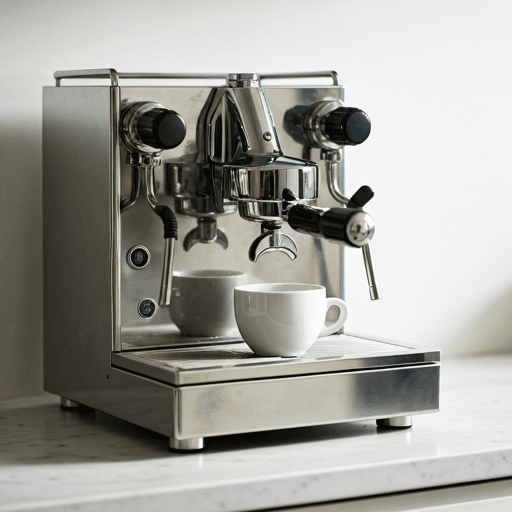
A French press steeps coarse grounds for minutes to make a big, bold mug, while espresso is a tiny, high-pressure shot with crema. Here is how the two differ in strength, body, caffeine and gear.
Explainer
V60 vs Kalita Wave: What's the Difference?
V60 vs Kalita Wave, explained: a fast single-hole cone that rewards a precise pour versus a flat three-hole bed that stays forgiving and consistent.
Explainer
Moka Pot vs Drip Coffee: What's the Difference?
A moka pot forces steam pressure for a bold, concentrated cup; a drip machine gravity-drips a milder, cleaner pot. Here is how the two brewing methods really differ, side by side.
Explainer
AeroPress vs Drip Coffee: What Is the Difference?
An AeroPress steeps and presses one strong, smooth cup by hand, while a drip machine trickles a lighter, cleaner pot automatically. Here is how the two brews really differ — and which to reach for.
Explainer
Siphon vs Pour-Over Coffee: What's the Difference?
Both make a clean, aromatic cup, but a siphon brews with vapour pressure and a vacuum while a pour-over uses hand-poured gravity. Here's how they differ on body, control, fuss and taste — and which to choose.
Explainer
Spanish Latte vs Latte: What's the Difference?
A Spanish latte is an espresso latte made with sweetened condensed milk, so it is sweeter and richer than a regular latte, which is plain espresso and steamed milk you sweeten yourself.
Explainer
Cafe con Leche vs Latte: What's the Difference?
Both are espresso-and-milk coffees, but a cafe con leche is near-equal parts strong coffee and hot milk, while a latte is espresso drowned in steamed milk. Here is how the ratio, strength, and size actually differ.
Explainer
What Is a Gibraltar Coffee?
A gibraltar is essentially a cortado — roughly equal parts espresso and steamed milk — that takes its name from the small Libbey glass it is served in. Here is what a gibraltar coffee is, how it tastes, and how it stacks up against a cortado and a flat white.
Explainer
How Much Turmeric Tea Per Day? A Sensible Daily Guide
Turmeric tea is a caffeine-free herbal tisane, so there is no caffeine ceiling - the sensible limit is the turmeric itself. Here is a relaxed, non-medical guide to how much turmeric tea per day makes sense, and what really sets the number.
Explainer
How Much Chai Tea Should You Drink per Day?
For most healthy adults, about two to three cups of chai a day is a comfortable amount. Because chai is spiced black tea, caffeine and added sugar — not the spice — really set your daily limit.
Explainer
Does Sage Tea Have Caffeine? A Clear Answer
Pure sage tea is naturally caffeine-free — it is a herbal tisane made from common sage, not from the tea plant. Here is why it has no caffeine, the blends that change that, how it tastes, and how to brew it.
Explainer
Does Nettle Tea Have Caffeine?
Pure nettle tea is naturally caffeine-free — it's a herbal tisane from the stinging nettle plant, not the tea plant. Here's why, the one label exception to watch, and how to brew it.
Explainer
Does Lemon Balm Tea Have Caffeine? The Simple Answer
No — pure lemon balm tea is naturally caffeine-free, because it is a mint-family herbal tisane made from Melissa officinalis rather than the tea plant. Here is why, the blends that break the rule, and why it suits a wind-down evening cup.
Explainer
Oolong vs Jasmine Tea: What's the Difference?
Oolong is a type of tea defined by partial oxidation, while jasmine tea is a scented tea — usually a green base perfumed with jasmine blossoms. Here is how the two differ in taste, caffeine and brewing, and why a jasmine oolong can be both at once.
Explainer
Silver Needle vs White Peony: What's the Difference?
Silver Needle and White Peony are both Chinese white teas, but one is buds-only and the other adds young leaves. Here is how they differ in leaf, flavour, strength and brewing — and which to pick.
Explainer
Bancha vs Hojicha: What's the Difference?
Bancha and hojicha are two everyday Japanese teas — and roast one and you get the other. Here's how the green cup and the roasted cup differ in flavor, color, caffeine and brewing.
Explainer
Gyokuro vs Tencha: What's the Difference?
Both are shade-grown Japanese green teas from almost the same leaf — but gyokuro is rolled into loose leaf you steep, while tencha is left unrolled to be ground into matcha. Here is how the two differ, side by side.
Explainer
Keemun vs Darjeeling: What's the Difference?
Keemun and Darjeeling are both refined, aromatic black teas, but keemun is a smooth, gently smoky Chinese tea while Darjeeling is a light, floral, muscatel cup from the Himalayan foothills. Here is how their taste, milk, flushes and brewing compare.
Explainer
How Much Caffeine Is in Instant Coffee?
A standard cup of instant coffee carries roughly 60-80 mg of caffeine — a little less than a brewed or filter cup. Here is how instant compares to espresso and decaf, and what makes the number move.
Explainer
Does Coffee Help You Focus? What Caffeine Really Does
Does coffee help you focus? For most people, yes — caffeine can lift alertness, attention and reaction time, especially when you are tired. But the effect is temporary, varies by person, and too much backfires into jitters. Here is how coffee and focus really work, and how to get the lift without the frazzle.
Explainer
Percolator vs French Press: What's the Difference?
A percolator recirculates boiling water for a strong, hot brew; a French press steeps coarse grounds once for a rich, oily cup. Here is how the two classic methods differ in heat, body, control and taste.