
If you are weighing a moka pot vs drip coffee, here is the short answer: a moka pot is a stovetop brewer that forces steam pressure up through the grounds for a strong, concentrated, espresso-like cup, while drip coffee is the milder, cleaner brew an automatic machine makes by trickling hot water through a paper filter by gravity. In short, a moka pot brews bold and small; a drip machine brews mild and by the pot.
Both start with ground coffee and hot water, yet they land in very different places. The moka pot leans on pressure and concentration; the drip machine leans on gravity and volume. Which one belongs on your counter depends on whether you want an intense little cup or an easy, hands-off pot, and the differences below make that choice clear.
What a moka pot is
A moka pot is a small stovetop brewer, usually aluminium or stainless steel, built in three parts: a bottom water chamber, a middle funnel-shaped basket for the coffee, and a top collecting chamber. As the water in the base heats up, steam pressure builds and pushes the hot water up through the packed bed of coffee and into the top chamber, where the finished brew gathers with a telltale gurgle. The classic eight-sided design is instantly recognizable, but the mechanics are the same across shapes and sizes.
The result is strong, rich and low in volume, a few small, intense servings rather than a big carafe. Because a moka pot uses a metal filter basket rather than paper, more of the coffee's natural oils and some fine particles carry through into the cup, giving it a heavier, fuller feel. For the step-by-step method, grind size and heat control, see our moka pot guide; here we are focused on how it stacks up against drip.
What drip coffee is
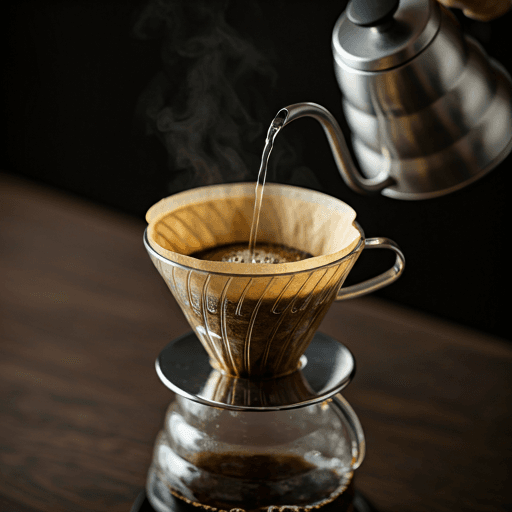
Drip coffee is the everyday brew most automatic coffee makers produce. Cold water is heated and dripped or sprayed over a bed of medium-ground coffee sitting in a paper (or mesh) filter; gravity pulls the water down through the grounds and the brewed coffee trickles into a waiting pot or carafe. There is no pressure involved, just hot water, coffee and time.
The payoff is a cleaner, lighter, more approachable cup, made several servings at a time with almost no effort: add water and grounds, press a button, walk away. The paper filter traps oils and sediment, so drip coffee tends to taste crisp and almost tea-like next to the syrupy body of a moka pot. For machine types, ratios and brewing tips, our drip coffee maker guide covers the details.
Moka pot vs drip coffee: the key difference
The heart of the moka pot vs drip coffee comparison comes down to one thing: pressure versus gravity. A moka pot forces water up through the grounds under mild steam pressure, producing a concentrated brew; a drip machine simply lets gravity pull water down through the grounds, producing a diluted, everyday cup. That single mechanical difference cascades into strength, body, clarity, effort and volume.
| Attribute | Moka pot | Drip coffee |
|---|---|---|
| Brewing force | Steam pressure pushes water up | Gravity pulls water down |
| Strength | Strong, concentrated, espresso-like | Milder, lighter, everyday |
| Body | Full, syrupy, oily | Clean, crisp, tea-like |
| Filter | Metal basket (lets oils through) | Paper filter (traps oils) |
| Volume | A few small cups | A full pot or several mugs |
| Effort | Hands-on at the stove | Push-button, hands-off |
| Heat source | Stovetop (gas, electric, some induction) | Built-in electric heater |
| Best for | Bold cups and home milk drinks | Easy volume for a household |
Strength and body
Is a moka pot stronger than drip coffee? Generally, yes. Because a moka pot pushes a modest amount of water through a dense bed of finely ground coffee, the resulting brew is far more concentrated than a typical drip cup, closer in intensity to a watered-down espresso than to a mug of filter coffee. Many people describe it as bold, rich and almost syrupy.
Drip coffee, by contrast, uses more water per gram of coffee and a coarser grind, so it comes out milder and more diluted. That does not fix the caffeine content in any exact way, since actual caffeine varies with dose, grind and brew time, but cup for cup a moka pot usually tastes and feels stronger. If you like a punchy, concentrated coffee you can sip slowly or stretch with milk, the moka pot wins; if you want a large, easy-drinking mug, drip is the natural fit. Responses to strength are personal, so treat these as general tendencies rather than fixed rules.
The filter difference
Filtration is where the two cups really separate. A moka pot's metal filter basket has relatively large holes, so the coffee's natural oils and some very fine particles pass straight into the brew. Those oils are much of what gives moka coffee its heavier mouthfeel and lingering finish. A drip machine's paper filter, on the other hand, catches most of those oils and sediment, leaving a cleaner, brighter, more transparent cup.
Neither is right or wrong; it is a matter of taste. Fans of body and richness gravitate to the metal-filtered moka style, while fans of clarity and a crisp finish prefer paper-filtered drip. If you are curious about another oily, unfiltered brewer, our moka pot vs French press comparison looks at a different immersion style.
Effort and volume
For sheer convenience, drip coffee is hard to beat. Fill the reservoir, load a filter, add grounds and press start; many machines even brew on a timer so coffee is ready when you wake. It scales easily too, since a standard carafe makes enough for a household or a small gathering.
A moka pot is more hands-on and makes a smaller batch. You grind, fill the base with water, level the coffee basket, set it on the stove and watch and listen so you can lift it off the heat the moment it finishes, before it turns bitter. It is a quick, satisfying little ritual, but it rewards attention and yields just a few servings at a time, great for one or two people and less ideal for a crowd.
A moka pot is not true espresso
It is worth clearing up a common myth: a moka pot does not make true espresso. Real espresso relies on around nine bars of pressure forced through a fine puck in roughly 25 to 30 seconds, producing a thick shot topped with crema. A moka pot works at only about one to two bars, far gentler, so it makes a strong, concentrated "stovetop espresso" rather than the real thing, and usually without a proper crema. It is closer to espresso than drip is, but it sits in its own category. For a deeper look at that distinction, see our moka pot vs espresso comparison.
Which should you choose?
Choosing between a moka pot or drip coffee comes down to the cup you actually want. Reach for a moka pot if you crave a bold, concentrated, espresso-adjacent brew, enjoy a short hands-on ritual, want something compact and inexpensive that needs no electricity, or plan to build milk drinks like a stovetop latte at home. Reach for a drip machine if you want effortless, hands-off coffee by the pot, prefer a cleaner and lighter cup, or need to serve several people at once.
Plenty of coffee lovers keep both: a drip maker for easy weekday volume and a moka pot for a stronger weekend cup. In the drip coffee vs moka pot debate there is no single winner, just two honest tools for two different moods. Match the brewer to the coffee you like to drink, and either one will serve you well.