
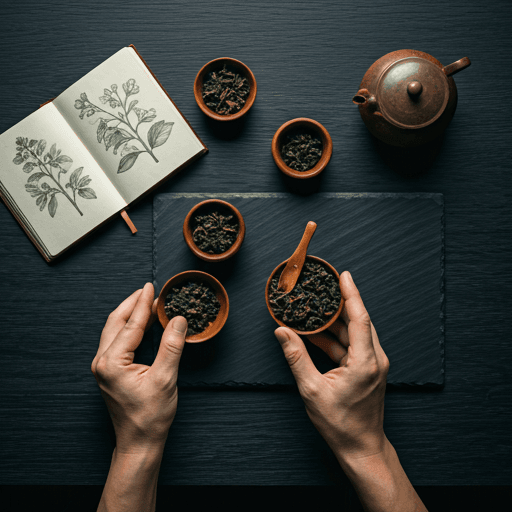
Bancha vs hojicha comes down to one thing: heat. Bancha is a mature, everyday Japanese green tea — mild, mellow and lightly grassy — while hojicha is a roasted tea most often made by roasting bancha until it turns reddish-brown, toasty and comfortingly low in caffeine. In short, roast a bancha and you get hojicha. Both come from Japan and from the same tea plant, so they are less rivals than two chapters in one leaf's story.
If you have ever wondered whether hojicha is just roasted bancha, or which one belongs in your evening cup, this guide walks through what each tea is, how the roast changes everything, and when to reach for one over the other.
Bancha vs hojicha at a glance
Here is the quick decoder before we dig into the detail. Numbers are typical ranges and can shift with the specific leaf, harvest and brand, so treat them as a guide rather than a rule.
| Attribute | Bancha | Hojicha |
|---|---|---|
| Type | Green tea (unroasted) | Roasted tea (usually roasted bancha) |
| Origin | Japan | Japan |
| Made from | Mature, later-harvest leaves | Bancha (sometimes sencha) leaves and stems, roasted |
| Processing | Steamed, dried, not roasted | Roasted at high heat until brown |
| Color in the cup | Pale green to yellow-green | Amber to reddish-brown |
| Aroma | Fresh, grassy, slightly woody | Toasty, nutty, caramel-like |
| Flavor | Light, mellow, mildly grassy | Warm, sweet, roasted, low bitterness |
| Caffeine | Relatively low | Very low (roasting reduces it further) |
| Brewing water | Cooler green-tea range, roughly 70-80 C | Forgiving; hotter, up to near-boiling |
| Best for | An easy, everyday daytime green | A cozy, toasty, low-caffeine evening cup |
What is bancha?
Bancha is one of Japan's most everyday green teas. The name loosely translates as "ordinary" or "common" tea, and that is a compliment here: it is the relaxed, drink-it-all-day cup rather than a special-occasion leaf. Bancha is picked from more mature, later-harvest leaves on the same bushes that give the more prized sencha its earlier, tender pluckings. Those bigger, older leaves make for a mellower, gentler brew.
In the cup, bancha is light, softly grassy and a little woody or hay-like, with low astringency and a clean finish. Because the leaves are more mature, bancha tends to sit lower in caffeine than sencha, which is part of why it is such an easy sipper. For the full profile, harvest details and grades, see our companion explainer on what bancha green tea is. And if you want to understand how it stacks up against its more famous sibling, our guide to bancha vs sencha covers that head-to-head.
What is hojicha?
Hojicha is a roasted Japanese tea, and the leaf it usually starts from is bancha. Producers take the green leaves (and often the stems) and roast them in a hot drum or pan until they shift from green to a glossy reddish-brown. That roast is the whole point: it turns a grassy green tea into something toasty, caramel-sweet and mellow, with almost none of the bitterness or astringency people sometimes associate with green tea.
The result is a wonderfully approachable cup, and hojicha has become a favorite for late afternoons and evenings because the roasting also drives its caffeine down. It has grown well beyond a plain hot brew, too, turning up in lattes, ice cream and desserts. For the deeper story on the roast and its history, read our guide to what hojicha roasted green tea is.
The key difference between bancha and hojicha
The single defining difference between bancha and hojicha is roasting. Bancha is a green tea left in its natural, unroasted state, so it keeps its grassy, mellow, faintly vegetal character. Hojicha is that same style of leaf taken a step further and roasted, which swaps the green, grassy notes for toasty, nutty, caramelized ones and turns the liquor from green-yellow to reddish-brown.
So yes — the short answer to "is hojicha roasted bancha?" is usually yes. Not every hojicha starts from bancha (some are made from sencha or from stems, called kukicha), but bancha is the classic base. Everything else that separates the two teas — color, aroma, flavor, caffeine, even the ideal water temperature — flows from that one processing choice.
How they are processed
Both teas begin the same way: fresh leaves are steamed shortly after picking to lock in their green character and stop oxidation, then dried. That steaming is what makes Japanese greens taste the way they do. For bancha, the journey essentially ends there — the mature leaves are simply sorted and dried into the finished tea.
Hojicha adds one dramatic extra step. The finished green leaves are roasted at high heat, often somewhere around 200 C, until they brown. This roast triggers Maillard reactions — the same browning chemistry that gives toasted bread and roasted nuts their aroma — replacing grassy compounds with sweet, roasty ones. The high temperature also drives off a good deal of the caffeine and softens the tannins, which is why hojicha tastes so smooth. In other words, hojicha is not a different plant or a different grade so much as bancha that has been transformed by fire.
How bancha and hojicha taste
Side by side, the flavor contrast is unmistakable. Bancha is the lighter, fresher cup: gently grassy and mellow, a touch woody, clean and never heavy. It reads clearly as a green tea, just a soft and forgiving one.
Hojicha is warm and comforting, all toast, caramel and nuttiness with a whisper of smoke. Because roasting strips out most of the bitterness and astringency, it lands sweet and rounded on the palate, closer to a toasted-grain or light-chocolate note than to anything grassy. Many people who find green tea too vegetal fall for hojicha immediately. If you are weighing hojicha against a brighter green, our hojicha vs sencha comparison lays out that contrast in full.
Caffeine: both are low, hojicha is lowest
Both of these teas sit at the gentle end of the caffeine scale, which is a big part of their appeal. Bancha is already relatively low because it is made from mature leaves, and hojicha goes lower still: the high-heat roast reduces caffeine noticeably, which is why hojicha is such a popular evening tea for people who still want something warm and tea-like without much of a lift.
Exact numbers vary a lot with the leaf, the brew strength and how long you steep, so it is best not to fixate on a single figure — both are simply on the low side compared with a strong green like sencha or with coffee. Caffeine responses vary from person to person, and this is general information, not medical advice; if caffeine sensitivity, sleep, pregnancy or medications are a concern for you, it is worth checking with your own healthcare provider.
How to brew each
Here the two teas ask for slightly different handling, again because of the roast. Bancha behaves like the green tea it is: it prefers cooler water, roughly in the 70-80 C range, so it stays sweet and mellow rather than turning sharp. A short steep of a couple of minutes is usually plenty, and you can often re-steep the leaves.
Hojicha is far more forgiving. Because roasting has already tamed its bitterness, it happily takes hotter water — many people brew it close to boiling — and it is hard to over-steep into anything unpleasant. That easygoing nature makes hojicha a great pick when you do not feel like fussing over a thermometer. These are starting points rather than strict rules; adjust to taste and to the specific tea in front of you.
Color in the cup
You can often tell these two apart before you even taste them. Bancha brews to a pale green or yellow-green liquor, in keeping with its unroasted, grassy identity. Hojicha pours a warm amber to reddish-brown, a direct visual signature of the roast — closer in appearance to a light oolong or black tea than to a typical Japanese green, even though it started life as one.
When to choose bancha vs hojicha
Choose bancha when you want an uncomplicated, refreshing green to drink through the day — something light and mellow that goes with meals and does not demand much attention. It is the everyday workhorse green, easy to like and easy to make.
Reach for hojicha when you want cozy over crisp: a toasty, sweet, caramel-nutty cup that feels soothing in the evening and carries very little caffeine. It is the tea for winding down, for pairing with dessert, or for anyone who finds greens too grassy. Both belong to the same family of gentle Japanese teas, so many drinkers simply keep both on the shelf — bancha for the daytime, hojicha for after dark.
The neat thing about bancha and hojicha is that once you understand the roast, the whole comparison clicks into place. They are not opposites so much as the same humble leaf shown two ways: one fresh and green, one warmed and toasted. Try them side by side and you will taste exactly what a little fire does.