
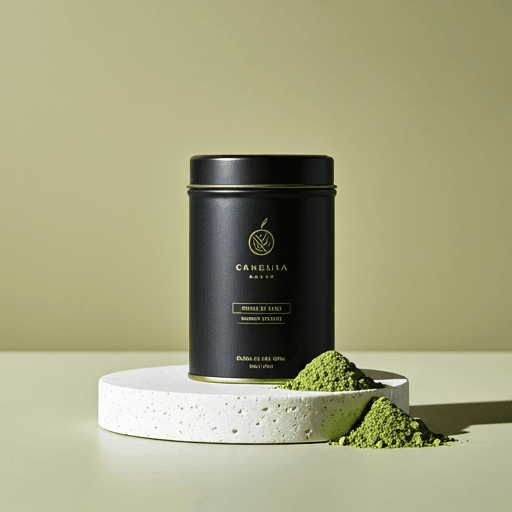
So how much turmeric tea per day is sensible? For most healthy adults, roughly one to three cups a day is a common, comfortable amount. Turmeric tea is a caffeine-free herbal tisane, so there is no caffeine ceiling to police - the practical limit comes from the turmeric itself and how your own stomach handles it.
Below is a light, general look at a reasonable turmeric tea daily amount: the short answer, why caffeine is not the issue here, what actually sets the number, the classic black-pepper trick, how to brew a cup, and who should check with a provider first. Responses vary from one person to the next, and this is general information, not medical advice.
The short answer: how much turmeric tea per day?
For most people, about one to three cups of turmeric tea a day is an easygoing guide. It is warming, gentle and caffeine-free, so you are not bumping up against the alertness or sleep worries that shape how much coffee or black tea you can drink. If you are asking how often to drink turmeric tea, the honest answer is that there is no strict rule - a cup with breakfast, one in the afternoon and one after dinner all sit comfortably for many people.
Is it ok to drink turmeric tea every day? For the vast majority of people, yes - a daily cup or two is an unremarkable habit. If you are new to it, it is reasonable to start with a single cup a day and see how your stomach responds before turning it into a twice- or thrice-daily ritual. Some people happily sip more; others find that a strong, concentrated brew is best kept to once a day. There is no single "correct" number for how much turmeric tea a day suits you, and responses vary.
Why there is no caffeine limit
The number that caps most everyday drinks is caffeine, and a plain cup of turmeric tea simply does not contain any. Turmeric is a root spice, from the Curcuma longa plant, not the leaves of the tea plant Camellia sinensis - so a brew made purely from turmeric is a caffeine-free tisane rather than a "true" tea. That means there is no stimulant ceiling to bump against the way there is with coffee, green tea or black tea.
The one thing worth checking is the label. A blend that marries turmeric with green tea, black tea or matcha will carry whatever caffeine that added tea brings, and a bottled or "instant" golden-latte mix may include other ingredients too. For a pure cup, though, caffeine is a non-issue. For the full picture, see our note on whether turmeric tea has caffeine and our explainer on caffeine-free tea, which covers why herbal tisanes sit outside the usual limits.
What actually sets the amount
Since caffeine is off the table, the real limit is the turmeric itself - how much of the spice you use and how your body handles it. General culinary and traditional-use ranges cited for turmeric sit at a few grams a day, and a typical cup of turmeric tea uses well under a teaspoon of ground spice, so a couple of cups usually stays comfortably within everyday territory. Push it harder - very strong brews, several concentrated cups back to back, or turmeric tea layered on top of a spice-heavy diet - and some people notice mild stomach upset, a little nausea or general digestive grumbling.
Keep it general rather than clinical: there is no need to weigh out doses. Brew to a strength that tastes good, spread your cups across the day, and dial things back if your stomach objects. The factors below nudge the right turmeric tea daily amount up or down.
| Factor | How it changes how much turmeric tea suits you |
|---|---|
| Brew strength | A light, pale cup is easy to enjoy often; a strong, concentrated brew is better kept to fewer cups. |
| Your stomach | A sensitive stomach may prefer one cup with food; a hardier one handles more. |
| Pure vs blended | A turmeric-and-tea blend adds caffeine, so treat it more like tea; a pure tisane has no caffeine cap. |
| Turmeric in your diet | Already cooking with plenty of turmeric? Ease off the extra cups. |
| Health or medication | Gallbladder issues, blood thinners, diabetes medication, surgery or pregnancy - ask a provider first. |
| New to it | Start with one cup a day, then build up gradually as it suits you. |
The black-pepper note
You will often see a pinch of black pepper stirred into turmeric tea, and there is a reason for it. The piperine in black pepper may help the body take up turmeric's compounds more readily, which is why so many traditional recipes pair the two. "May" is the operative word here - think of the pinch as a flavour-and-tradition touch rather than a guaranteed effect. A little goes a long way, and too much pepper simply makes the cup taste sharp.
How to brew a cup
A simple cup starts with about half a teaspoon to one teaspoon of ground turmeric, or a few thin slices of fresh turmeric root, simmered gently in water for a few minutes. Many people round out the earthy, slightly bitter edge with fresh ginger, a squeeze of lemon and a little honey, plus that pinch of black pepper; a splash of milk turns it into a golden-latte style drink. For a full method, see how to make turmeric tea, and if you love the warming ginger pairing, our ginger and turmeric tea guide walks through that combination.
Who should be cautious
Turmeric tea is gentle for most people, but a few groups should check with a healthcare provider before making it a daily habit. Ask first if you have gallstones or gallbladder trouble, take blood thinners or diabetes medication, are heading into surgery, or are pregnant or breastfeeding. In larger, concentrated amounts turmeric can also be hard on a sensitive stomach. None of this makes an occasional cup a problem for most people - it is simply about being sensible once turmeric tea becomes an everyday, multiple-cup ritual. Again, responses vary, and this is general information rather than medical advice.
When to drink turmeric tea
Because it is caffeine-free, turmeric tea fits any time of day - morning, mid-afternoon or right before bed. Some people find a strong, earthy cup sits more comfortably alongside food than on a completely empty stomach, but there is no fixed rule. If evenings are when you like a warm, soothing cup without worrying about sleep, turmeric tea is an easy pick, which is part of why the daily count stays so forgiving.
Building turmeric tea into a daily routine
If you want turmeric tea to become a regular fixture rather than an occasional novelty, a little rhythm helps. Many daily drinkers settle on a fixed slot - a morning mug to start the day, or an after-dinner cup to wind down - and keep the brew on the lighter side so a second cup never feels heavy. Batch-brewing a small pot and topping it up through the day is another easy approach, and it takes the guesswork out of how often to drink turmeric tea.
Flavour matters for staying power, too. Turmeric on its own is earthy and a touch bitter, so the add-ins are not just decorative: ginger brings warmth, lemon brightens, honey softens, and a pinch of black pepper ties it together. A cup you genuinely enjoy is one you will reach for at a comfortable, sustainable turmeric tea daily amount rather than forcing down for its own sake.
The bottom line
Turmeric tea is one of the more forgiving drinks in the cupboard: caffeine-free, easy to brew and comfortable at roughly one to three cups a day for most people. Let your own taste and your stomach set the ceiling, keep very strong brews occasional rather than constant, and check with a professional if any of the cautions above apply to you. As always, responses vary from person to person, and this is general information, not medical advice.