
Knowledge Base
Coffee & Tea Guides
Brew better and explore more — buying guides, how-tos, and explainers for every coffee and tea ritual.
Explainer
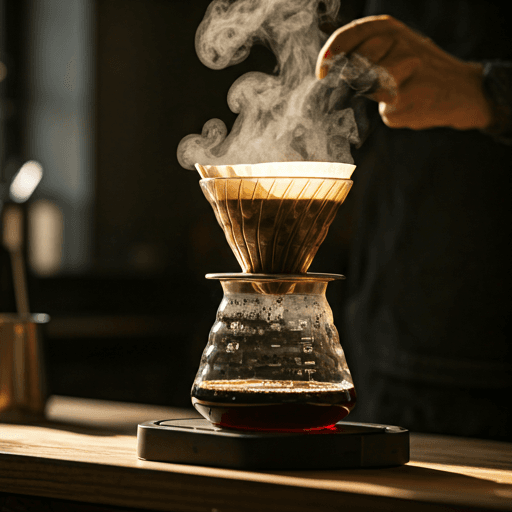
How Much Caffeine Is in a Frappe?
A classic Greek frappe is whipped from instant coffee, so it usually carries about 60 to 100 mg of caffeine per glass — set by the spoons of instant, not the ice, milk or sugar. Here is a hedged look at the numbers, why a double runs higher, and how it differs from a Frappuccino.
Explainer
How Much Caffeine Is in Turkish Coffee?
A small demitasse of Turkish coffee usually holds about 50-65 mg of caffeine - concentrated per ounce but modest per cup. Here is how it stacks up and what changes the number.
Explainer
English Breakfast vs Assam: What's the Difference?
English breakfast is a blended black tea built for strength and milk; Assam is the single-origin malty black at its heart. Here's how the two robust blacks compare on taste, body, brewing and caffeine.
Explainer
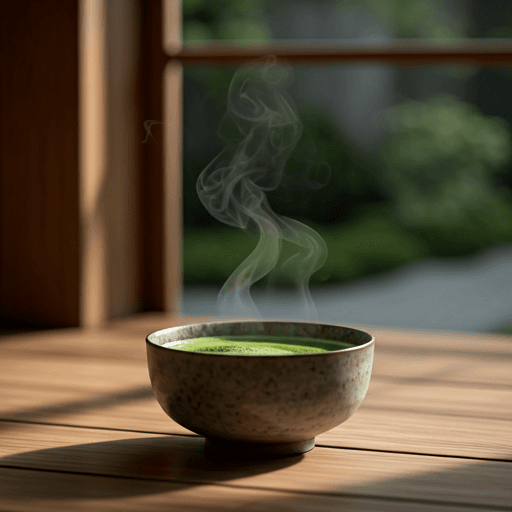
How Much Milk Thistle Tea Should You Drink Per Day?
Milk thistle tea is caffeine-free, so caffeine sets no ceiling on it. Here is a hedged, non-medical look at how much milk thistle tea per day makes sense, how it is brewed, why it is a mild infusion, and when to check with your own healthcare provider.
Explainer
How Much Sage Tea Should You Drink Per Day?
Sage tea is caffeine-free, so caffeine will not cap how much you drink — but it is a keep-it-modest herb. Here is why most people settle on about one to two cups a day, and how to brew it well.
Explainer
How Much Caffeine Is in an Americano?
An americano's caffeine is just its espresso shots: about 63-80 mg for a single and 125-160 mg for the double most cafes pour. The hot water dilutes strength, not caffeine — here is how it compares with drip, espresso and decaf.
Explainer
How Much Caffeine Is in a Cortado?
A cortado usually carries about 120-130 mg of caffeine when it is a double shot, or 65-80 mg for a single. The steamed milk adds none. Here is the breakdown.
Explainer
How Much Caffeine Is in a Macchiato?
The caffeine in a macchiato is just its espresso: about 63-80 mg from a single shot, 125-160 mg from a double, and roughly 120-150 mg for a big caramel macchiato. The milk and syrup add none.
Explainer
How Much Caffeine Is in a Mocha?
A mocha usually carries about 80-100 mg of caffeine on a single espresso shot, or 150-175 mg on a double — most from the espresso, with a little extra from the chocolate. Here is how the numbers add up, shot by shot.
Explainer
How Much Caffeine Is in a Flat White?
A classic flat white usually carries about 120-130 mg of caffeine because it is built on a double espresso, while a single-shot version sits nearer 65-80 mg and the milk adds none. Here is the hedged breakdown, a comparison table, and what changes the number.
Explainer
How Much Fennel Tea Should You Drink per Day?
For most healthy adults, about one to three cups of fennel tea a day is a comfortable amount. Because it is caffeine-free, here is what really sets your daily limit — and who should check with a doctor first.
Explainer
How Much Dandelion Tea Should You Drink per Day?
Roughly 1 to 3 cups of dandelion tea a day suits most healthy adults. It is caffeine-free, so there is no stimulant ceiling — here is what actually sets your amount.
Explainer
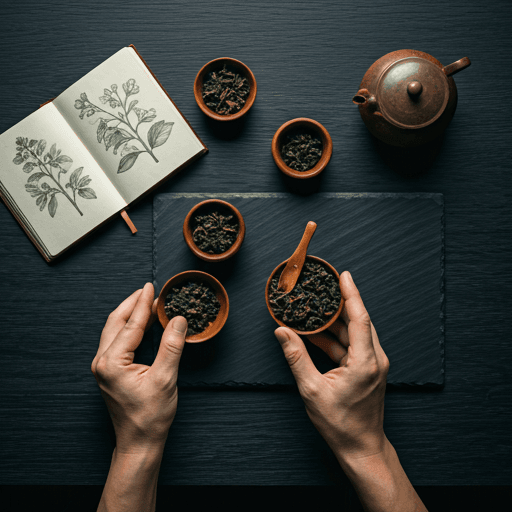
Does Rosemary Tea Have Caffeine?
No — pure rosemary tea is naturally caffeine-free. It is a herbal tisane made from the rosemary herb, not the Camellia sinensis tea plant, so you can sip it any time of day, including the evening.
Explainer
Yellow Tea vs Green Tea: What's the Difference?
Yellow tea and green tea start from the same leaf and the same early firing, but yellow tea adds one slow yellowing step. Here is how that changes the taste, colour and character of each cup.
Explainer
Earl Grey vs Lady Grey: What's the Difference?
Earl Grey vs Lady Grey compared: both are bergamot-scented black teas, but Lady Grey is a lighter, citrusy-floral twist on the bolder classic. Here is how they differ in flavour, strength, milk and caffeine.
Explainer
Ceylon vs Darjeeling: What's the Difference?
Ceylon and Darjeeling are both prized high-grown black teas, but one is bright, brisk and citrusy while the other is light, floral and muscatel. Here is how they compare on flavor, body, milk, elevation, brewing and caffeine — and which to reach for.
Explainer
Da Hong Pao vs Tieguanyin: What's the Difference?
Da Hong Pao is a dark, roasted Wuyi rock oolong; Tieguanyin is a green, floral Anxi oolong. Compare their origin, oxidation, roast, taste and brewing.
Explainer
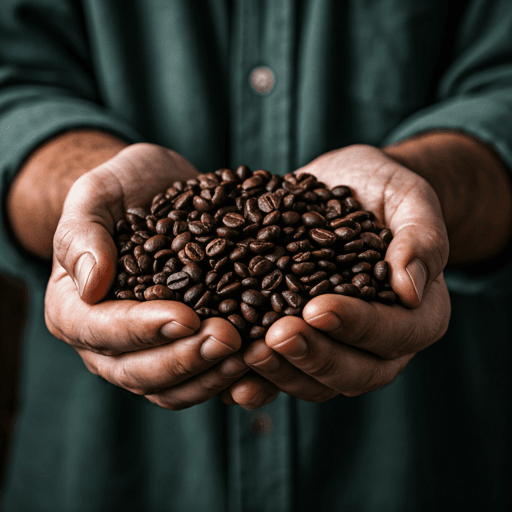
How Much Caffeine Is in a Cappuccino?
A cappuccino's caffeine is just its espresso: about 63 to 80 mg from one shot or 125 to 160 mg from a double, with the milk and foam adding none. Here is how it compares and what changes it.
Explainer
How Much Caffeine Is in a Latte?
A latte's caffeine comes almost entirely from its espresso: about 63-80 mg for a single shot and 125-160 mg for a double. The steamed milk adds none, so the shot count is what really sets the number.
Explainer
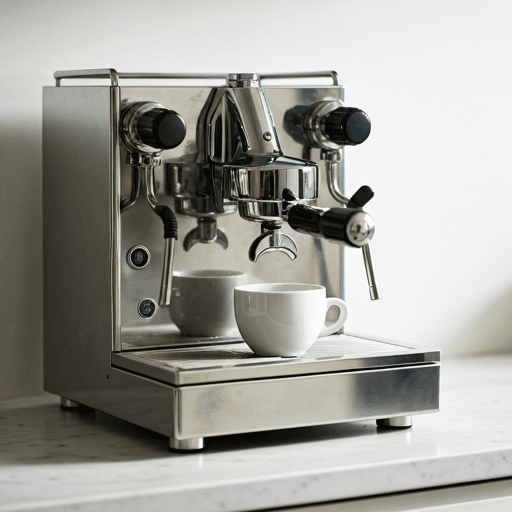
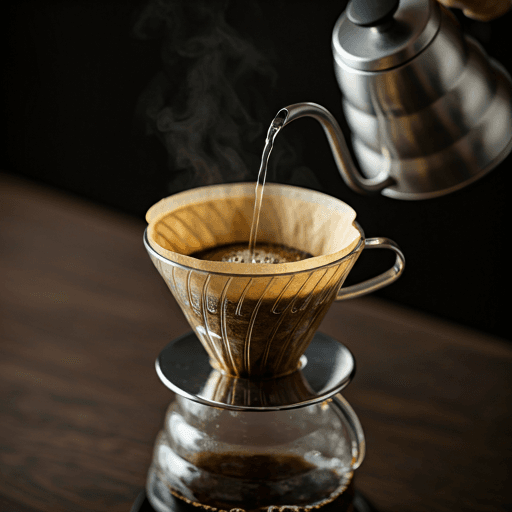
V60 vs Kalita Wave: What's the Difference?
V60 vs Kalita Wave, explained: a fast single-hole cone that rewards a precise pour versus a flat three-hole bed that stays forgiving and consistent.
Explainer
Moka Pot vs Drip Coffee: What's the Difference?
A moka pot forces steam pressure for a bold, concentrated cup; a drip machine gravity-drips a milder, cleaner pot. Here is how the two brewing methods really differ, side by side.
Explainer
AeroPress vs Drip Coffee: What Is the Difference?
An AeroPress steeps and presses one strong, smooth cup by hand, while a drip machine trickles a lighter, cleaner pot automatically. Here is how the two brews really differ — and which to reach for.
Explainer
Siphon vs Pour-Over Coffee: What's the Difference?
Both make a clean, aromatic cup, but a siphon brews with vapour pressure and a vacuum while a pour-over uses hand-poured gravity. Here's how they differ on body, control, fuss and taste — and which to choose.
Explainer
Spanish Latte vs Latte: What's the Difference?
A Spanish latte is an espresso latte made with sweetened condensed milk, so it is sweeter and richer than a regular latte, which is plain espresso and steamed milk you sweeten yourself.