
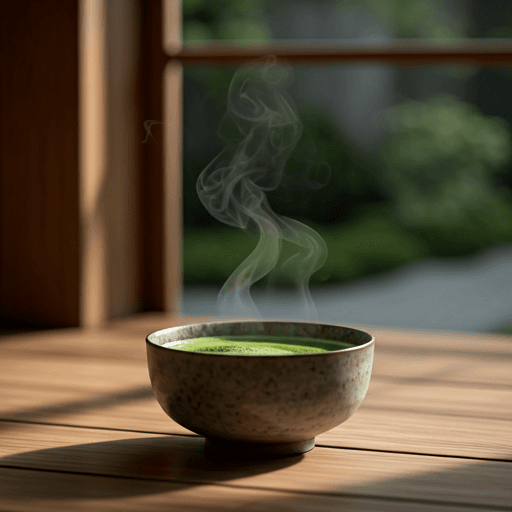
If you are wondering how much milk thistle tea per day is reasonable, here is the short version: because milk thistle tea is naturally caffeine-free, caffeine sets no ceiling on it at all, so most people comfortably enjoy about one to three cups a day. The real limit is your own tolerance and the herb itself, not a caffeine count. As always with anything wellness-adjacent, responses vary from person to person, and this is general information rather than medical advice.
The short answer: how much milk thistle tea per day
For most healthy adults, roughly one to three cups a day is a common, comfortable range, and plenty of people settle on just one or two. Milk thistle tea is an herbal infusion rather than a true tea, and it contains no caffeine, so it does not carry the caffeine-based ceiling that leads people to cap ordinary black or green tea and coffee. If you have never sipped an herbal tisane before, it helps to understand what herbal tea actually is and how it differs from leaf tea before you build it into a daily routine.
Because the plant, not the caffeine, is what matters here, the sensible way to think about a milk thistle tea daily amount is comfort and moderation: start modest, notice how your body feels, and let personal tolerance rather than a rigid number be your guide.
| Question | At a glance |
|---|---|
| Caffeine | None — it is a caffeine-free herbal tisane |
| Common daily range | About 1–3 cups (many people prefer 1–2) |
| What limits it | Personal tolerance and the herb, not caffeine |
| Typical brew | About 1–2 tsp crushed seeds per cup |
| Steep time | Roughly 10–15 minutes |
| Taste | Mild, earthy, faintly bitter |
Why caffeine is not the limit
Milk thistle tea is not made from the tea plant (Camellia sinensis) at all. It is a tisane brewed from the seeds of the milk thistle plant (Silybum marianum), a spiky purple-flowered relative of the daisy. Because there are no tea leaves involved, there is no caffeine to accumulate cup after cup. That is why the usual "keep your caffeine under a certain amount" logic simply does not apply, and why so many people reach for it in the evening as easily as the morning.
The practical upshot: when someone asks is it safe to drink milk thistle tea every day, the honest, hedged answer is that many people do, in modest amounts, and generally find it agreeable — but the limiting factors are your own tolerance, any medications or conditions you have, and the herb's own character, which we will get to below. It is never about caffeine.
A useful fact about strength: milk thistle tea is a mild infusion
Here is the detail that sets honest expectations. Milk thistle's most talked-about compound, a group of plant substances collectively called silymarin, is poorly soluble in water. That means a cup of tea only ever pulls a small fraction of it out of the seeds, even with a long steep. In practice, milk thistle tea is a gentle, low-concentration infusion — far milder than the standardized capsules, tinctures, or extracts that concentrate silymarin into much larger doses.
This is not a knock against the tea; many people simply enjoy it as a mild, pleasant, caffeine-free brew. But it does mean you should not expect a cup to behave like a concentrated supplement, and it is another reason the "how many cups" question is more about enjoyment than about chasing a target. For the fuller picture of the plant and its traditional uses, see our dedicated look at milk thistle tea, which covers the herb in more depth than a "how much per day" note can.
How milk thistle tea is brewed
Because the seeds are hard, a little preparation helps the brew. A common approach is to lightly crush about one to two teaspoons of seeds per cup — a mortar and pestle or a spice grinder works, and the goal is a coarse crack rather than a fine flour, just enough to fracture the seed coat. Pour over water that is just off the boil and let it steep, covered, for roughly ten to fifteen minutes, which is longer than you would steep leaf tea.
Many people leave the crushed seeds in the water for the whole steep (and some let them sit even longer, or cold-infuse), on the reasoning that more of the seed's compounds have time to migrate into the cup. Crushing the seeds right before you brew, rather than in advance, is a small trick that helps too. Strain, and sip as is or with a little lemon or honey to round out the flavor.
What milk thistle tea tastes like
Do not expect drama. On its own, milk thistle tea is mild, earthy, and slightly bitter, with an undramatic, almost neutral character — pleasant but quiet. That gentleness is exactly why it is so often blended: you will frequently find it paired with mint, dandelion, ginger, lemon, or other herbs that give it a bit more personality. If you like the idea of an everyday herbal but want something with more obvious flavor, a blend is usually the friendlier starting point.
The "liver herb" reputation, kept in perspective
Milk thistle has a long folk reputation as a herb traditionally associated with the liver, and that association is the main reason people seek the tea out. It is worth keeping this strictly in perspective: it is a long-used traditional herbal, and nothing more should be read into a cup of tea. This article makes no claims that milk thistle tea detoxifies, cleanses, cures, protects, or treats anything, and given how little silymarin the water actually extracts, a mild tea is a poor vehicle for any such expectation anyway. Enjoy it as a calming, caffeine-free ritual, and treat the traditional lore as history rather than instruction.
Start low and see how you feel
A sensible rhythm is to begin with a single cup, ideally after a meal, and see how your body responds over a few days before deciding whether one, two, or three cups suits you. Herbs affect everyone a little differently, and a "start low" approach is the simplest way to find your own comfortable how much milk thistle tea to drink answer without overthinking it. There is no prize for drinking more, and moderation is the friendlier default with any daily herbal.
Safety and when to ask a professional
Milk thistle comes from the daisy (aster) family, so if you have a known allergy to ragweed, daisies, marigolds, chrysanthemums, or related plants, it is worth being cautious and speaking with a professional first. Beyond that, it is genuinely best to check with your own healthcare provider before drinking it daily if you are pregnant or breastfeeding, are diabetic or managing blood sugar, take hormone-sensitive or any regular medication, or have a liver condition — a professional who knows your history is the right person to weigh those specifics, not a general guide.
To put it plainly: responses vary from person to person, and none of this is medical advice. Use these ranges as a starting point for a pleasant everyday brew, and let a qualified professional make the call on anything that touches your particular health situation.
How it compares to other daily herbals
Milk thistle is far from the only caffeine-free herbal people build into a daily habit, and the same logic — no caffeine cap, so tolerance and the herb itself set the pace — applies across the board. If you are curious how the "how much per day" question plays out for other popular tisanes, our companion guides on how much dandelion tea per day and how much hibiscus tea per day follow the same non-medical, moderation-first approach and make for easy cross-reading if herbal teas are becoming part of your routine.
In the end, milk thistle tea is best thought of as a mild, earthy, caffeine-free companion rather than a dose to hit. One to three gentle cups a day suits most people who enjoy it, the flavor is quiet enough to blend, and the only real homework is starting low, staying moderate, and checking with a professional if anything about your own health gives you pause.